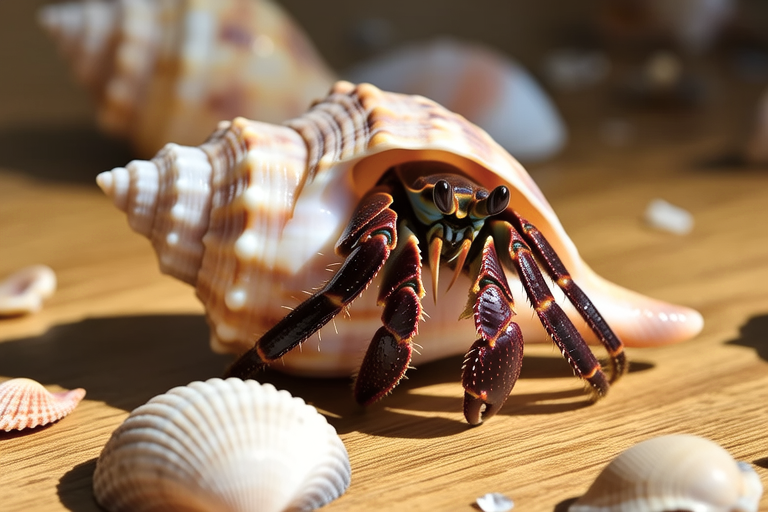
Shell Swap Secrets: Everything You Need to Know About Hermit Crab Shells
Hermit crabs are fascinating creatures that have captured the hearts of many pet enthusiasts. Their unique relationship with their shells is one of the most intriguing aspects of these crustaceans. Understanding the importance of shells to hermit crabs, the process of shell swapping, and how to provide suitable environments for them is crucial for anyone interested in keeping hermit crabs as pets.
The Importance of Shells for Protection and Growth
For hermit crabs, their shells serve as both armor and home. These shells protect them from predators and harsh environmental conditions. The shell’s hard exterior provides a shield against potential threats, allowing the soft-bodied hermit crab to retreat inside for safety. Scientifically speaking, the shell acts like a portable fortress, reducing the risk of physical harm.
Moreover, shells play a vital role in the growth and development of hermit crabs. As hermit crabs grow, they outgrow their current shells and must find new ones that fit their expanding bodies. This necessity for regular shell changes ensures that the hermit crab can continue to move freely and comfortably. Without adequate shell accommodation, a hermit crab may experience stunted growth or even physical discomfort.
The Process of Shell Swapping
Hermit crabs change shells when they outgrow their current ones or when they encounter a more desirable shell. This process, known as shell swapping, is a natural part of their life cycle. Hermit crabs are highly social creatures, and shell swapping often occurs in groups. They gather together, inspecting each other’s shells and sometimes even fighting over the best options.
The frequency of shell swapping varies among species and individual hermit crabs. Some may swap shells every few months, while others might wait longer. Factors such as growth rate, availability of suitable shells, and environmental conditions influence this behavior. When a hermit crab finds a new shell, it will cautiously approach, often tapping the shell with its claws before making the final decision to move in. Once satisfied, the hermit crab will quickly vacate its old shell and claim the new one.
Tips for Providing Suitable Shells for Pet Hermit Crabs
When setting up a habitat for hermit crabs, it’s essential to provide a variety of shells that cater to their needs. The right size and shape of the shell are critical factors to consider.
Size Matters
The size of the shell is crucial for the comfort and health of your hermit crab. A shell that is too small can restrict movement and hinder growth, while one that is too large may cause instability and difficulty in maneuvering. To ensure proper fit, measure the width of your hermit crab’s abdomen and choose shells that are slightly larger than this measurement. This allows the crab enough space to grow without feeling cramped.
Shape and Design
The shape and design of the shell also play significant roles in the hermit crab’s comfort. Smooth, symmetrical shells are generally preferred because they offer better protection and easier movement. Avoid shells with sharp edges or irregular shapes that could potentially injure the crab. Additionally, some hermit crabs may prefer shells with specific openings or decorations, so offering a diverse selection can increase the chances of finding a perfect match.
Sourcing Shells
There are several ways to source suitable shells for your hermit crabs. Beachcombing is a popular option, but be cautious about collecting shells from areas with strict conservation laws. If beachcombing isn’t feasible, consider purchasing shells from reputable pet stores. Ensure that the shells are clean and free from harmful chemicals. It’s also advisable to sterilize collected shells by soaking them in a saltwater solution or boiling them briefly before introducing them to your hermit crab’s habitat.
Common Myths About Hermit Crab Shell Preferences and Behaviors
Several misconceptions surround hermit crab shell preferences and behaviors. One common myth is that hermit crabs prefer brightly colored or uniquely decorated shells. While some hermit crabs may show interest in visually appealing shells, their primary concern is the functionality and protection the shell provides. Another misconception is that hermit crabs will fight to the death over shells. In reality, most conflicts are brief and rarely result in serious injury.
Another myth is that hermit crabs can only live in seashells. While seashells are the most common type of shell used by hermit crabs in nature, they can also inhabit other types of shells, such as those from freshwater snails or even artificial shells designed specifically for pet hermit crabs. Providing a variety of options can stimulate natural behaviors and promote a healthier environment.
Maintaining a Healthy Environment for Shell Swapping
To ensure the well-being of your hermit crabs and facilitate successful shell swapping, maintaining a healthy environment is paramount. Start by creating a spacious habitat with plenty of hiding spots and climbing structures. These elements encourage exploration and provide opportunities for natural behaviors.
Regularly monitor the humidity levels in the habitat, as hermit crabs require moist environments to maintain optimal health. A humidity level between 70% and 80% is ideal. You can achieve this by misting the enclosure daily or using a humidifier. Additionally, ensure that the substrate is kept damp but not soggy to prevent mold growth.
Providing a shallow water dish for drinking and soaking is also essential. Hermit crabs need access to fresh, clean water for hydration and to assist in the shedding process. Change the water regularly to maintain cleanliness.
Lastly, observe your hermit crabs closely to detect any signs of distress or illness. Common indicators include lethargy, loss of appetite, or abnormal shell behavior. If you notice any concerning symptoms, consult a veterinarian specializing in exotic pets for guidance.
In conclusion, understanding the significance of shells to hermit crabs and providing a suitable environment for shell swapping is key to their happiness and well-being. By offering a variety of appropriately sized and shaped shells and maintaining a healthy habitat, you can ensure that your hermit crabs thrive. With proper care and attention, you can enjoy the fascinating world of hermit crabs and their shell-swapping secrets.
