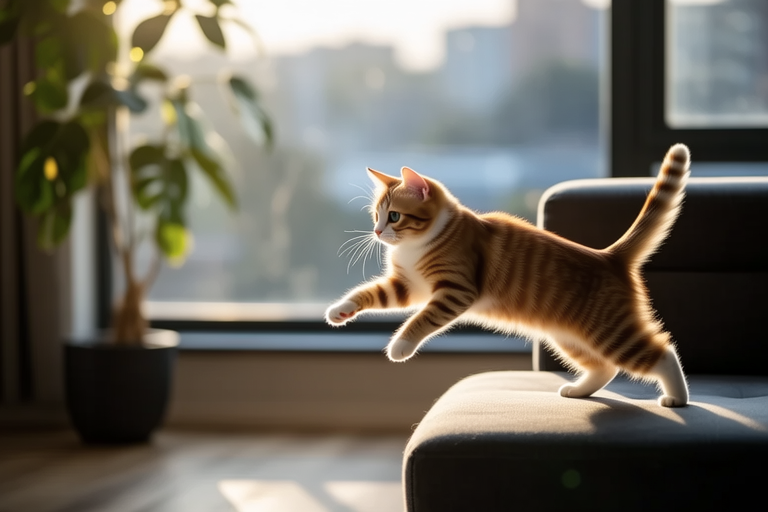
From Couch Potato to Explorer: Raising a Munchkin
The term “Munchkin” often brings to mind images of tiny, whimsical creatures from fantasy literature. However, in the world of feline enthusiasts, “Munchkin” refers to a breed of cat known for its unusually short legs. This article delves into the fascinating world of Munchkin cats, exploring their unique characteristics, the challenges posed by their sedentary nature, and strategies to transform them into curious explorers.
What is a Munchkin Cat?
Munchkin cats are a relatively new breed, first recognized in the late 20th century. They are distinguished by their disproportionately short legs, which are the result of a genetic mutation. Despite their diminutive stature, Munchkins are sturdy and robust, with a muscular build that belies their small size. Their short legs, combined with a broad chest and large paws, give them a distinct appearance. Munchkins come in a variety of colors and patterns, making each one unique.
These cats are known for their friendly and social personalities. They are often described as being playful, affectionate, and intelligent. Munchkins are also known for their curiosity; they have a strong desire to explore and investigate their surroundings. However, their short legs can sometimes limit their mobility, leading some Munchkins to become couch potatoes.
Challenges with Sedentary Munchkins
One of the most significant challenges for Munchkin owners is encouraging their cats to be more active. While Munchkins are naturally curious, their shorter legs can make it harder for them to engage in typical cat activities like jumping and climbing. This can lead to a sedentary lifestyle, which may contribute to obesity and other health issues.
Sedentary behavior in Munchkins can also lead to boredom and frustration. Cats need mental stimulation as much as physical activity. Without adequate outlets for their energy and curiosity, Munchkins may develop behavioral problems such as scratching furniture or excessive vocalization.
Strategies to Encourage Activity Levels
To help your Munchkin lead a more active and fulfilling life, consider implementing several strategies:
Create a Stimulating Environment
Design your home to be a stimulating environment for your Munchkin. Install cat trees and shelves at various heights so that your cat can climb and explore. Ensure that there are multiple levels where your Munchkin can perch and observe their surroundings. You can also add interactive toys that require your cat to chase, pounce, or bat at them. Puzzle feeders are another great option, as they challenge your cat’s problem-solving skills while providing mental stimulation.
Gentle Exercise Routines
Introduce gentle exercise routines that are tailored to your Munchkin’s abilities. Short walks on a harness and leash can be a fun way to get your cat moving. Start with short sessions and gradually increase the duration as your cat becomes more comfortable. Indoor obstacle courses can also be enjoyable for your Munchkin. Use tunnels, boxes, and other items to create a path that encourages exploration and movement.
Choose Appropriate Toys
Select toys that are safe and suitable for your Munchkin’s age and activity level. Laser pointers, feather wands, and small plush toys can all be excellent choices. Rotate your cat’s toys regularly to keep them interesting and prevent boredom. Interactive toys that require your cat to work for their treats can also be beneficial.
Dietary Considerations
Maintaining a healthy weight is crucial for Munchkins, especially those who tend to be less active. A balanced diet rich in protein and low in fat is essential. Consult with your veterinarian to determine the appropriate portion sizes and feeding schedule for your cat. Avoid overfeeding, and consider offering your Munchkin smaller, more frequent meals throughout the day. Providing a variety of fresh vegetables and fruits can also be beneficial, but always consult your vet before introducing new foods.
Success Stories and Testimonials
Many Munchkin owners have successfully transformed their cats from couch potatoes into curious explorers. One owner shared, “When we first brought our Munchkin home, she was quite sedentary. We set up a cat tree and introduced her to feather wands and laser pointers. Slowly, she began to show more interest in playtime. Now, she spends hours chasing after toys and exploring every corner of our house.” Another owner noted, “We started taking our Munchkin on short walks, and it made a huge difference. She became more confident and active, and her overall health improved.”
The transformation from couch potato to explorer can bring numerous benefits for your Munchkin. Increased activity levels can improve your cat’s cardiovascular health, muscle tone, and flexibility. It can also reduce stress and anxiety, leading to a happier, healthier cat. By creating a stimulating environment, introducing gentle exercise routines, and choosing appropriate toys, you can help your Munchkin lead a more active and fulfilling life.
In conclusion, raising a Munchkin requires patience, creativity, and a commitment to providing a stimulating and healthy environment. With the right strategies and dedication, you can transform your Munchkin from a sedentary couch potato into a curious explorer. The rewards of a more active lifestyle for these cats are immeasurable, bringing joy and companionship to both you and your beloved pet.
