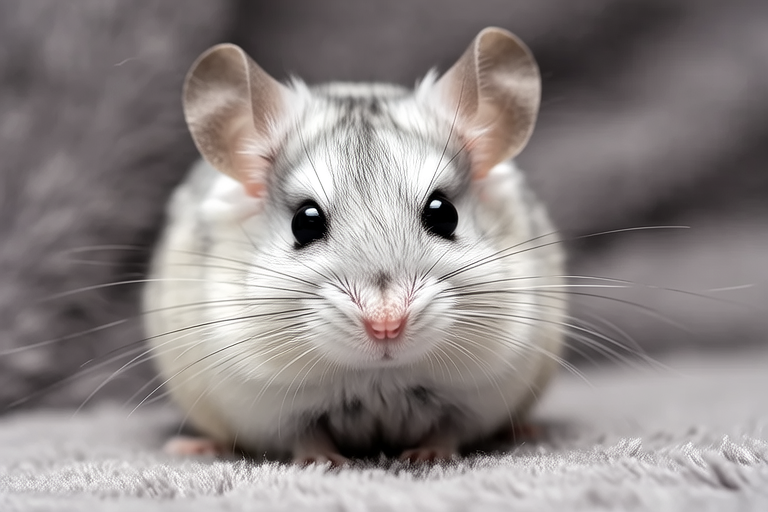
Adorable Fluff Balls: Everything You Need to Know About Chinchillas
Welcome to the fascinating world of chinchillas! These adorable fluff balls have captured the hearts of many pet enthusiasts with their unique appearance and delightful personalities. With their soft, luxurious fur and big, expressive eyes, chinchillas are not only charming but also highly sought-after pets. In this comprehensive guide, we will explore everything you need to know about these captivating creatures, from their origins to their care and maintenance.
Origins and Natural Habitat
Chinchillas are native to the Andes Mountains in South America, specifically in regions of Chile, Peru, Bolivia, and Argentina. They thrive in high-altitude areas where temperatures are cool and dry. Their natural habitat includes rocky cliffs and crevices, which provide shelter from predators and harsh weather conditions. Due to their adaptability to cold environments, chinchillas are often found at elevations of up to 4,000 meters above sea level. Today, they are primarily bred in captivity for the pet trade and fur industry.
Ideal Living Conditions
Creating the right environment for your chinchilla is crucial for their well-being. Chinchillas require a spacious cage that allows them plenty of room to move around and exercise. The cage should be made of wire mesh with small openings to prevent injuries. Additionally, it’s important to place the cage in a quiet area away from direct sunlight and drafts. Chinchillas are sensitive to heat, so maintaining a cool temperature between 60°F and 70°F (15°C to 21°C) is essential. Provide a solid surface for bedding, such as dust, rather than wood shavings, to help maintain their coat health. Chinchillas also enjoy climbing, so including ramps, platforms, and toys can enrich their living space.
Dietary Needs
Chinchillas have specific dietary requirements to ensure their health and longevity. Their diet should consist mainly of hay, supplemented with pellets designed specifically for chinchillas. Fresh water must always be available, and it’s advisable to use a sipper bottle to prevent contamination. Occasional treats like fruits and vegetables can be offered sparingly, but avoid feeding them foods that are harmful to their digestive system, such as citrus fruits, chocolate, and sugary snacks. Providing a balanced diet is key to maintaining their energy levels and preventing health issues.
Grooming Requirements
One of the most distinctive features of chinchillas is their incredibly dense and soft fur. However, this also means they require regular grooming to stay healthy. Chinchillas naturally bathe in volcanic ash to clean and condition their coats. As pets, they can be provided with special chinchilla dust baths, which should be offered two to three times a week for about 15 minutes each session. This helps remove oils and dirt from their fur, keeping it soft and preventing skin problems. It’s important to supervise them during these sessions to ensure they don’t ingest too much dust.
Common Behaviors
Chinchillas are social animals that exhibit various interesting behaviors. They are nocturnal, meaning they are most active during the night. During the day, they may appear sleepy but are usually alert and playful when awake. Chinchillas communicate through vocalizations, including chirps, squeaks, and purrs. They are known for their agility and love to jump and climb, making their living space an important consideration for providing ample opportunities for physical activity. Chinchillas also enjoy gnawing on wooden toys and other safe materials to keep their teeth trim, as their teeth continuously grow throughout their lives.
Health Issues
Like any pet, chinchillas are susceptible to certain health issues. One common problem is bloat, which occurs when gas builds up in the digestive tract. This can be caused by sudden changes in diet or eating inappropriate foods. Signs of bloat include lethargy, bloated stomach, and loss of appetite. Another concern is dental disease, which can result from improper chewing or lack of suitable chew toys. Regular visits to a veterinarian who specializes in exotic pets can help monitor your chinchilla’s dental health. Additionally, respiratory infections can arise due to poor air quality or stress. Keeping their living environment clean and well-ventilated is vital for their respiratory health.
Tips for Choosing and Caring for a Chinchilla
When considering adding a chinchilla to your family, there are several factors to take into account. First, research reputable breeders or shelters to find a healthy and well-socialized chinchilla. Look for a breeder who provides detailed information about the chinchilla’s lineage and health history. Once you bring your new pet home, gradually introduce them to their new environment to minimize stress. Provide plenty of enrichment activities, such as tunnels, hammocks, and toys, to keep them mentally stimulated. Regular handling and gentle interaction will help build trust and strengthen the bond between you and your chinchilla.
Where to Adopt or Purchase Responsibly
If you’re ready to welcome a chinchilla into your home, adopting from a shelter or rescue organization is a compassionate choice. Shelters often have chinchillas that are looking for loving homes and can provide valuable information about their background and needs. Alternatively, purchasing from a reputable breeder ensures that you’re supporting ethical breeding practices. Avoid buying from pet stores or online sellers who may not prioritize the welfare of the animals. By choosing to adopt or purchase responsibly, you contribute to the overall well-being of chinchillas and support ethical pet ownership.
In conclusion, chinchillas are enchanting creatures that make wonderful companions for those willing to meet their unique needs. From their origins in the Andes Mountains to their grooming habits and dietary preferences, understanding and meeting these needs will ensure a happy and healthy life for your chinchilla. By following the tips outlined in this guide, you’ll be well-equipped to provide the best possible care for your furry friend. Whether you’re a first-time pet owner or an experienced animal lover, chinchillas offer a lifetime of joy and companionship.
