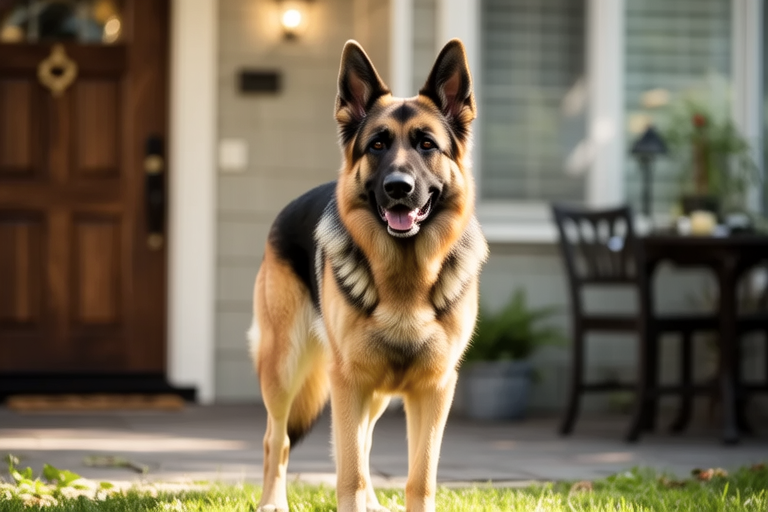
German Shepherd: The Ideal Family Guardian Explained
The German Shepherd is one of the most recognizable and beloved dog breeds worldwide. Known for their striking appearance, unwavering loyalty, and exceptional intelligence, they have earned a reputation as one of the best family guardians. This article delves into the qualities that make German Shepherds such ideal protectors, exploring their history, physical attributes, protective instincts, and the importance of proper bonding and training.
A Brief History of the German Shepherd
The origins of the German Shepherd can be traced back to the late 19th century in Germany. Max von Stephanitz, a cavalry officer and retired captain, played a pivotal role in developing the breed. He sought to create a versatile working dog capable of herding sheep and protecting livestock. By carefully breeding dogs with desirable traits, he established the standard for the German Shepherd we know today. Over time, the breed’s versatility and intelligence made it popular not only for herding but also for police work, search and rescue missions, and military service.
Physical Attributes of the German Shepherd
German Shepherds possess a robust physique that contributes significantly to their effectiveness as guardians. They typically stand between 22 to 26 inches tall at the shoulder and weigh between 50 to 90 pounds. Their muscular build and agile movements allow them to respond swiftly to threats. The breed’s double coat provides insulation against various weather conditions, ensuring they remain comfortable and alert in different environments. Additionally, their erect ears and keen sense of hearing enable them to detect sounds from a distance, enhancing their awareness of their surroundings.
Protective Instincts
One of the standout features of the German Shepherd is its natural protective instinct. These dogs are inherently wary of strangers and will alert their owners to any unusual activity or perceived danger. Their protective nature stems from their past roles as herders and guardians of flocks. This instinct makes them vigilant watch dogs, always on the lookout for potential threats. However, it is crucial to note that proper socialization and training are necessary to ensure these instincts are channeled positively and not turned into aggression.
Loyalty and Bonding
The bond between a German Shepherd and its family is incredibly strong. These dogs form deep emotional connections with their human companions, often becoming inseparable. Their loyalty extends beyond mere affection; they genuinely care about the well-being of their families. This strong bond is the foundation upon which effective protection is built. A well-bonded German Shepherd will not only guard against external threats but also provide comfort and support during times of distress.
To foster this bond, spending quality time with your German Shepherd is essential. Engage in activities that promote trust and understanding, such as playtime, walks, and training sessions. Positive reinforcement techniques, like treats and praise, are particularly effective in building a strong relationship. Regular interaction helps your dog recognize you as the leader of the pack, further strengthening the protective instinct.
Intelligence and Trainability
German Shepherds are among the smartest dog breeds, ranking highly in obedience trials and working roles. Their intelligence makes them highly trainable, allowing them to learn complex commands and tasks with relative ease. This trait is invaluable when training your German Shepherd for protection duties. With consistent and patient training, you can teach your dog specific behaviors and responses that enhance its ability to safeguard your family.
Training should focus on building confidence and self-control. Basic obedience commands, such as sit, stay, come, and heel, are fundamental. Advanced training may include specialized protection work, but this requires professional guidance. Regardless of the level of training, consistency is key. Establishing clear rules and expectations helps your dog understand what is expected of them, fostering a cooperative and responsive relationship.
Energy Levels and Exercise Needs
German Shepherds are energetic dogs that require ample exercise to maintain their physical and mental health. Their high energy levels stem from their working heritage, where stamina and agility were critical. Regular physical activity not only keeps them fit but also helps channel excess energy into positive behaviors. Without sufficient exercise, they may become restless or develop destructive habits.
Providing daily opportunities for exercise is crucial. Long walks, runs, and play sessions in a secure area are excellent ways to keep your German Shepherd active. Interactive games, such as fetch or agility courses, engage both their body and mind, making the experience more enjoyable for them. Ensuring they have enough outlets for their energy helps prevent behavioral issues and promotes a well-balanced, happy dog.
Tips for Potential Owners
If you’re considering adding a German Shepherd to your family, there are several factors to keep in mind:
- Socialization: Early socialization is vital for any dog, especially one with strong protective instincts. Expose your German Shepherd to various people, animals, and environments from a young age. This helps them differentiate between real threats and harmless encounters, reducing the likelihood of unnecessary aggression.
- Patience: Training a German Shepherd requires patience and persistence. They may sometimes challenge authority, but with consistent guidance, they will respect and obey you. Avoid harsh punishment, as it can damage the bond and lead to fear-based behavior.
- Professional Guidance: If you plan to train your German Shepherd for advanced protection work, consider seeking professional assistance. Certified trainers can provide valuable insights and techniques tailored to your dog’s unique needs.
- Healthcare: Regular veterinary check-ups are essential to monitor your German Shepherd’s health. Common issues, such as hip dysplasia and joint problems, can be managed effectively with proper care. Maintaining a healthy diet and providing appropriate supplements can support their overall well-being.
Conclusion
The German Shepherd’s combination of protective instincts, loyalty, intelligence, trainability, and energy levels makes them an ideal family guardian. Understanding their history, physical attributes, and behavioral tendencies is crucial for prospective owners. By fostering a strong bond, providing adequate exercise, and engaging in thoughtful training, you can ensure your German Shepherd becomes a devoted and effective protector for your family. Embrace the journey of raising this magnificent breed, and you’ll be rewarded with a loyal companion who will stand by your side through thick and thin.
