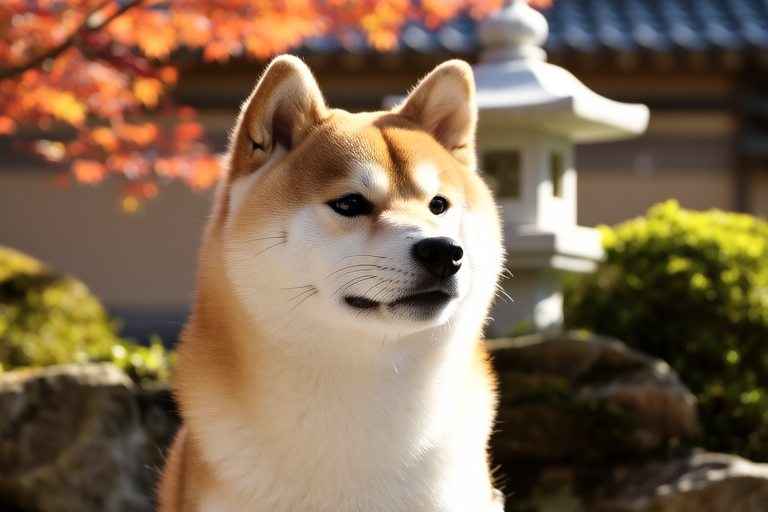
The Evolution of the Shiba Inu: From Wild Hunting Companion to Beloved Pet
The Shiba Inu is one of the oldest dog breeds in Japan, with a history that dates back thousands of years. Originating as a wild hunting companion in ancient Japan, this breed has undergone significant transformations over time. From its near extinction during World War II to its current status as a beloved pet worldwide, the Shiba Inu has captured the hearts of many. This article explores the historical journey of the Shiba Inu, highlighting key milestones in its development, unique traits, and reasons for its popularity.
Origins and Early History
The Shiba Inu is believed to have originated in Japan, where it was used for hunting small game in the mountainous regions. The breed’s name, “Shiba,” means brushwood or shrub, referring to the type of terrain where these dogs were commonly found. The term “Inu” simply means dog. The early Shiba Inus were highly valued for their agility, endurance, and keen sense of smell, which made them excellent hunters. They were often used to flush out birds and small mammals, allowing hunters to make the kill.
Historically, the Shiba Inu was one of six distinct Japanese dog breeds, all of which were classified as Nihon Ken (Japanese Dogs). These dogs were integral to Japanese culture and society, symbolizing loyalty, courage, and strength. The Shiba Inu, in particular, was known for its independence and resilience, traits that were essential for survival in the rugged landscapes of Japan.
Near Extinction and Revival
The Shiba Inu faced a critical threat during World War II when many of the breed’s populations were decimated due to bombing raids and canine distemper outbreaks. This near-extinction event left only a few Shiba Inus alive, primarily in remote areas. However, dedicated breeders worked tirelessly to preserve the breed, carefully selecting survivors and breeding them to maintain the genetic purity and distinct characteristics of the Shiba Inu.
In the post-war period, the Shiba Inu experienced a resurgence in popularity. The Japanese Kennel Club recognized the Shiba Inu as a national treasure and established a breeding program aimed at preserving the breed’s original traits. This effort resulted in the creation of a standardized breed profile, ensuring that future generations of Shibas would retain their unique qualities. Today, the Shiba Inu is one of the most popular dog breeds in Japan, and its reputation has spread internationally.
Unique Traits and Physical Characteristics
The Shiba Inu is renowned for its independent yet loyal nature, making it a perfect companion for active individuals and families. Its adaptability allows it to thrive in various environments, from urban apartments to rural homes. Despite its small size, the Shiba Inu possesses a robust physique, characterized by a compact body, well-developed muscles, and a thick double coat that provides protection against harsh weather conditions.
One of the most distinctive features of the Shiba Inu is its red coat, which can range from a rich chestnut color to a more subdued reddish-brown. Other common colors include sesame, black, and cream. The breed also boasts a characteristic tail that curls over its back, adding to its overall aesthetic appeal. The Shiba Inu’s facial expression is often described as fox-like, contributing to its endearing appearance.
Compared to other small breeds, the Shiba Inu stands out for its strong prey drive and independent spirit. While many small dogs are bred primarily for companionship, the Shiba Inu retains much of its hunting instincts, making it a more challenging pet for those unfamiliar with its temperament. However, once bonded with its owner, the Shiba Inu becomes fiercely loyal and protective, forming a deep emotional connection with its human family.
Why the Shiba Inu Has Become So Popular
The Shiba Inu’s rise in popularity can be attributed to several factors, including cultural influences and its appeal in modern households. In Japan, the Shiba Inu is considered a symbol of national pride, representing the country’s rich cultural heritage and traditional values. As globalization has increased, the breed’s popularity has spread beyond Japan’s borders, captivating dog enthusiasts worldwide.
One of the primary reasons for the Shiba Inu’s appeal is its striking appearance. The breed’s unique combination of size, color, and facial expression makes it visually appealing to many people. Additionally, the Shiba Inu’s intelligence and adaptability make it an ideal pet for a wide range of living situations. Unlike some larger breeds that require extensive exercise, the Shiba Inu can be satisfied with moderate activity levels, making it suitable for apartment dwellers and busy professionals alike.
The Shiba Inu’s popularity has also been fueled by social media platforms, where users share photos and videos of their pets, showcasing the breed’s playful and mischievous side. These online communities have helped to create a global network of Shiba Inu lovers, fostering a sense of camaraderie and shared appreciation for the breed.
Comparison with Other Breeds
When compared to other popular dog breeds, the Shiba Inu stands out for its unique combination of independence and loyalty. For example, while the Poodle is known for its intelligence and trainability, it lacks the Shiba Inu’s independent spirit. Similarly, the Labrador Retriever is famous for its friendly demeanor and eagerness to please, but it does not possess the same level of independence as the Shiba Inu.
Another notable difference between the Shiba Inu and other breeds is its coat. While many small breeds have short, fine coats, the Shiba Inu’s double coat provides excellent insulation against cold temperatures, making it well-suited for cooler climates. This feature sets the Shiba Inu apart from breeds like the Chihuahua, which is better adapted to warmer environments.
Future Prospects for the Breed
The future of the Shiba Inu looks promising, with ongoing efforts to conserve and promote the breed. Conservationists and breeders are working together to ensure the genetic diversity of the Shiba Inu population, preventing any potential health issues that could arise from inbreeding. Additionally, organizations are promoting responsible breeding practices to maintain the breed’s original characteristics and prevent the emergence of undesirable traits.
In terms of its role in contemporary family life, the Shiba Inu continues to be a popular choice for many households. Its adaptability, intelligence, and loyalty make it an ideal companion for a wide range of lifestyles. As more people seek out unique and independent breeds, the Shiba Inu is likely to remain a sought-after option for dog lovers around the world.
However, challenges remain. The increasing demand for the breed may lead to unethical breeding practices if not properly regulated. Therefore, it is crucial for breeders and owners to prioritize the welfare of the dogs and work together to ensure the long-term sustainability of the Shiba Inu population.
Conclusion
The Shiba Inu has come a long way since its origins as a wild hunting companion in ancient Japan. From its near-extinction during World War II to its current status as a beloved pet worldwide, the breed has undergone significant transformations. Its unique combination of independence, loyalty, and adaptability has made it a favorite among dog enthusiasts, and its striking appearance has further cemented its place in popular culture.
As we look to the future, it is clear that the Shiba Inu will continue to play an important role in our lives. With ongoing conservation efforts and responsible breeding practices, the breed is well-positioned to thrive for generations to come. Whether as a loyal companion or a symbol of national pride, the Shiba Inu will undoubtedly remain an integral part of Japanese and global culture.
