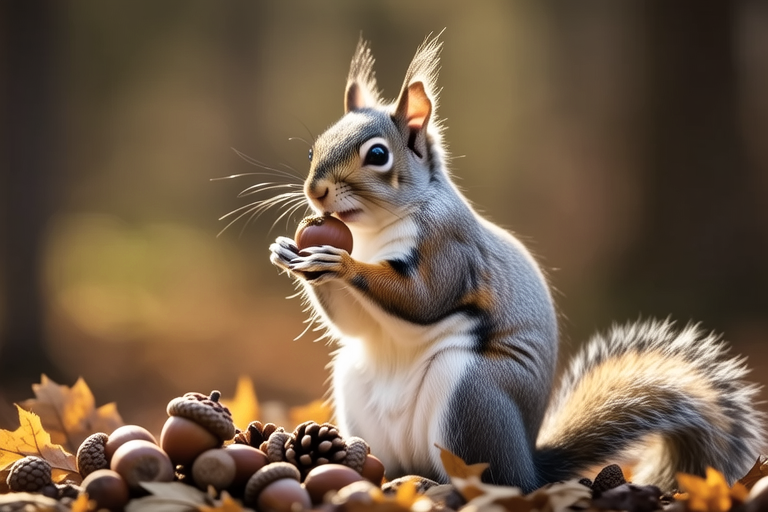
The Nutty Truth: Everything You Need to Know About Squirrels
Welcome to the fascinating world of squirrels! These charming creatures are a common sight in both urban and rural environments, known for their bushy tails and acrobatic skills. From their unique biology to their complex behaviors, there’s much more to these little critters than meets the eye. Join us as we delve into the intriguing life of squirrels, uncovering their habitats, diets, interactions with humans, and even some lesser-known facts that will leave you amazed.
Meet the Squirrels: A Brief Introduction
Squirrels belong to the family Sciuridae and are found all over the world. With over 200 species, they range from tiny ground squirrels to large tree-dwelling varieties. The most familiar species include the eastern gray squirrel (Sciurus carolinensis), red squirrel (Tamiasciurus hudsonicus), and fox squirrel (Sciurus niger). Each species has its own set of characteristics, but they share some common traits like sharp claws for climbing, excellent eyesight, and a keen sense of smell.
Biology and Anatomy
Squirrels are small mammals with long, bushy tails, which serve multiple purposes such as balance, communication, and warmth. Their bodies are adapted for agility and speed, making them adept at navigating through trees and leaping between branches. Squirrels have strong hind legs and flexible spines, enabling them to perform impressive leaps up to several meters. Their front paws are equipped with sharp claws for digging and gripping, while their back paws help them maintain balance.
One of the most remarkable features of squirrels is their ability to rotate their hind ankles 180 degrees. This adaptation allows them to descend trees headfirst with ease. Additionally, squirrels have a specialized membrane called the gliding membrane, or patagium, which stretches between their front and rear limbs. When fully extended, this membrane helps them glide gracefully from tree to tree, covering distances of up to 45 meters.
Habitats and Distribution
Squirrels can be found in various habitats, including forests, grasslands, deserts, and even urban areas. They prefer environments rich in trees, where they can build nests or dens high above the ground. In cities, squirrels often make homes in parks, gardens, and residential areas. Some species, like the red squirrel, are native to specific regions, while others, such as the eastern gray squirrel, have been introduced to new territories through human intervention.
Urban squirrels have adapted remarkably well to city life, finding shelter in attics, under porches, and within hollow trees. They also take advantage of human-provided food sources, which can sometimes lead to conflicts. Understanding their habitat preferences and behavior is key to coexisting peacefully with these animals.
Diet and Foraging Habits
As herbivores, squirrels primarily eat nuts, seeds, fruits, and fungi. However, their diet can vary depending on the season and availability of food. During autumn, squirrels engage in a process called scatter-hoarding, where they bury caches of food to sustain themselves during winter. Interestingly, squirrels often forget the locations of some of these caches, inadvertently helping with seed dispersal and forest regeneration.
In addition to plant matter, some squirrel species may occasionally consume insects, eggs, or even small vertebrates. Their diet plays a crucial role in maintaining ecosystem health by promoting the growth of trees and plants. By burying seeds and inadvertently planting them elsewhere, squirrels contribute to the biodiversity of their habitats.
Behavior and Social Structure
Squirrels are generally solitary animals, except during mating seasons or when raising young. They communicate through a variety of vocalizations, body postures, and tail movements. For instance, flicking their tails can signal alarm or aggression, while chattering sounds might indicate excitement or territorial defense.
Mating typically occurs twice a year, with females giving birth to litters of two to eight kits after a gestation period of about six weeks. Young squirrels stay with their mothers for several months before becoming independent. Adult squirrels are highly territorial and will defend their feeding and nesting areas against intruders.
Interactions with Humans
Squirrels have become a beloved part of many people’s lives, especially in urban settings. Their playful antics and curious nature make them popular subjects for photography and observation. However, squirrels can also cause problems when they invade homes, chew on electrical wires, or damage property. It’s important to approach any squirrel encounters with caution and respect.
If you find yourself dealing with nuisance squirrels, consider humane deterrents rather than lethal methods. Installing barriers around your home, using squirrel-proof feeders, and removing potential food sources can help discourage unwanted visits. Always prioritize the safety and well-being of both humans and animals.
Conservation Efforts
Despite their widespread presence, certain squirrel species face threats due to habitat loss, climate change, and competition with non-native species. Conservationists work tirelessly to protect vulnerable populations by preserving natural habitats and conducting research on squirrel behavior and ecology. Supporting local wildlife organizations and participating in citizen science projects can contribute significantly to squirrel conservation efforts.
Tips for Encountering Squirrels
- Observe Safely: Watch squirrels from a distance to avoid disturbing their natural behaviors. Use binoculars or a camera with a zoom lens for close-up views.
- Feed Responsibly: If you choose to feed squirrels, opt for healthy snacks like unsalted nuts, seeds, or fruits. Avoid bread, processed foods, or sugary treats.
- Stay Quiet: Keep noise levels low when near squirrels to prevent startling them. Loud noises can stress animals and disrupt their routines.
- Be Prepared: Carry a first aid kit and know basic animal safety guidelines in case of unexpected situations.
Conclusion
From their remarkable biology to their intricate social structures, squirrels are truly captivating creatures worthy of admiration. By learning more about these delightful animals, we can foster greater appreciation for the role they play in our ecosystems. Whether you’re watching them dart across park paths or marveling at their aerial acrobatics, take a moment to enjoy the company of squirrels in their natural habitats.
Let’s commit to protecting these amazing animals and their environments for future generations to enjoy. Next time you spot a squirrel, remember the nutty truth – there’s so much more to discover about these charismatic creatures.
