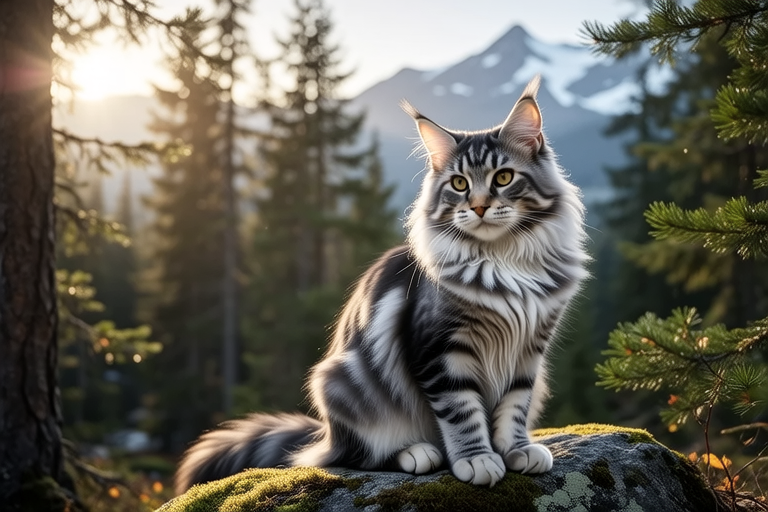
The Ultimate Guide to Caring for Your Norwegian Companion Animal
Welcome to the comprehensive guide that will help you provide the best care for your Norwegian companion animal. Whether you’re a new or experienced pet owner, understanding the unique needs of Norwegian breeds can significantly enhance your relationship with your pet. This guide covers diet and nutrition, exercise needs, grooming tips, health considerations, training techniques, and socialization tips.
Diet and Nutrition
Feeding your Norwegian companion animal a balanced diet is crucial for maintaining its health and energy levels. Depending on the breed, their dietary needs may vary. For instance, Norwegian Elkhounds require a high-protein diet to support their active lifestyle, while Norwegian Buhunds benefit from a mix of protein, fats, and carbohydrates. Always consult with a veterinarian to determine the best food for your pet based on age, size, and activity level.
Ensure fresh water is always available, especially after exercise or on hot days. Avoid feeding table scraps as they can upset your pet’s digestive system and lead to obesity. Treats should be given sparingly and should complement, not replace, a balanced diet.
Exercise Needs
Norwegian breeds are generally energetic and require regular physical activity to stay healthy and happy. Norwegian Elkhounds, for example, need daily walks and opportunities for running. Norwegian Buhunds enjoy mental stimulation through activities like puzzle toys or agility courses.
Regular exercise not only helps maintain a healthy weight but also reduces behavioral issues such as chewing or excessive barking. Tailor the exercise routine to suit your pet’s age, breed, and health condition. Remember, older dogs may have different exercise needs compared to younger ones.
Grooming Tips
Grooming is an essential part of caring for your Norwegian companion animal. Norwegian Elkhounds have a thick double coat that requires brushing at least twice a week to prevent matting and remove loose hair. During shedding seasons, more frequent brushing may be necessary.
Norwegian Buhunds also have a dense coat that benefits from regular brushing. Additionally, both breeds may need occasional baths, but avoid over-bathing as it can strip natural oils from their skin. Regular nail trimming, ear cleaning, and dental hygiene are also important aspects of grooming.
Health Considerations
Like all breeds, Norwegian companion animals are prone to certain health issues. Norwegian Elkhounds may suffer from hip dysplasia, kidney disease, and thyroid problems. Norwegian Buhunds can experience hip dysplasia, epilepsy, and eye disorders.
Scheduling regular veterinary check-ups, providing preventive care like vaccinations and parasite control, and monitoring for any changes in behavior or appetite can help catch potential health issues early. Early detection often leads to more effective treatment and better outcomes.
Training Techniques
Training is vital for building a strong bond with your Norwegian companion animal and ensuring good behavior. Both Norwegian Elkhounds and Buhunds are intelligent and eager to please, making them receptive to positive reinforcement training methods.
Start training early and keep sessions short and fun to maintain your pet’s interest. Use treats, praise, and play as rewards for desired behaviors. Consistency is key; ensure all family members use the same commands and rewards. Basic obedience commands such as sit, stay, come, and heel are essential for safety and socialization.
Tips for Socialization
Socializing your Norwegian companion animal is crucial for developing well-rounded behavior. Expose your pet to various environments, people, and other animals from an early age. Positive experiences during this period can reduce fear and aggression towards strangers or unfamiliar situations later in life.
Attend puppy classes or dog parks where your pet can interact with other dogs under supervision. Gradually introduce your pet to new stimuli, allowing them time to adjust before moving on to the next experience. Encourage calm and friendly interactions by rewarding good behavior.
Understanding Typical Behaviors and Temperament
Understanding your Norwegian companion animal’s typical behaviors and temperament can help you better understand and bond with them. Norwegian Elkhounds are known for being loyal, independent thinkers, and protective of their families. They tend to bark when alerted to something unusual, making them excellent watchdogs.
Norwegian Buhunds are affectionate, alert, and versatile working dogs. They excel in tasks requiring intelligence and endurance. Both breeds thrive in environments that provide mental and physical stimulation.
Recognizing and respecting your pet’s individual personality and needs can strengthen your bond and promote a harmonious home environment.
Conclusion
Caring for a Norwegian companion animal involves understanding their unique dietary needs, exercise requirements, grooming routines, health concerns, training methods, and socialization practices. By following the guidelines provided in this ultimate guide, you can ensure your pet enjoys a long, healthy, and happy life. Remember, every pet is unique, so tailor your approach to meet their specific needs. With love, patience, and proper care, you and your Norwegian companion animal can share many wonderful years together.
