Unraveling the Mystery Behind the Enigmatic Abyssinian Breed
The Abyssinian cat is a breed that has captivated cat lovers for generations with its striking appearance and engaging personality. This article delves into the history, characteristics, and care of the Abyssinian, offering a comprehensive guide for those interested in this remarkable feline.
A Unique Appearance
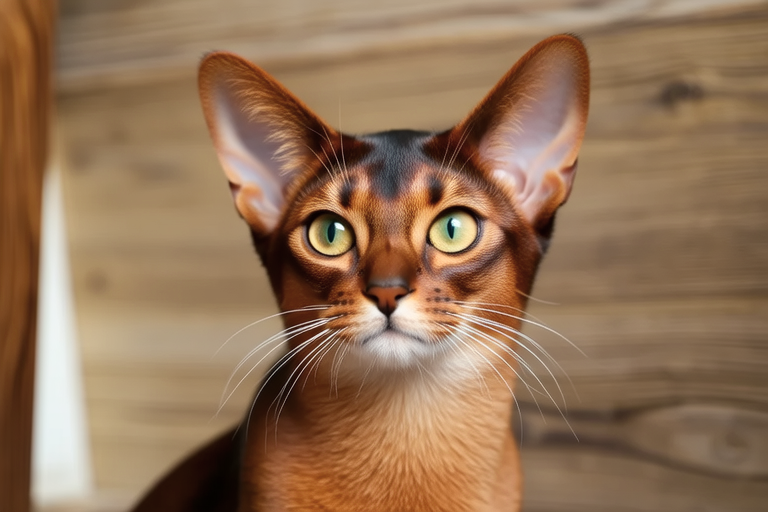
The Abyssinian cat stands out with its distinctive ticked coat and almond-shaped eyes, creating a look that is both elegant and exotic. The ticking, which consists of bands of color along each hair, gives the Abyssinian a wild, almost lion-like appearance. Their coats come in various shades, including ruddy, red, blue, and fawn, adding to their mystique. The almond-shaped eyes, typically green or gold, further enhance the breed’s captivating charm.
Ancient Origins
The origins of the Abyssinian breed are steeped in mystery and legend. While the exact beginnings remain unclear, many theories suggest that the breed may have originated from ancient Egypt or Ethiopia. Some believe that the Abyssinian is descended from cats worshipped in Egyptian temples, where they were often depicted in hieroglyphics. Others point to Ethiopia as the birthplace, noting the resemblance between the Abyssinian and cats found in the region. Regardless of the precise origin, the Abyssinian has been cherished for centuries, appearing in paintings and literature throughout history.
Temperament and Personality
Abyssinians are known for their lively and curious nature, making them excellent companions for active households. These cats are highly intelligent and enjoy engaging in interactive play. They are also quite affectionate, often seeking out human company and forming strong bonds with their owners. Abyssinians tend to be independent but not aloof, striking a balance between being self-sufficient and enjoying social interaction. Their playful demeanor and love for exploration make them ideal pets for families with children or other animals.
Health Concerns and Care Tips
While Abyssinians are generally healthy, there are some health issues to be aware of. One common concern is dental disease, which can be managed with regular brushing and professional cleanings. Periodic veterinary check-ups are essential for early detection and treatment of any potential problems. Another issue to consider is renal amyloidosis, a condition that affects kidney function. Regular monitoring and a balanced diet can help manage this condition. Proper grooming is also important, as the Abyssinian’s short coat requires weekly brushing to prevent matting and remove loose hair.
Anecdotes and Personal Stories
One story that exemplifies the Abyssinian’s personality involves a cat named Luna, who lived in a bustling household with two young children and a dog. Despite the chaos, Luna thrived, becoming the family’s favorite companion. Her intelligence allowed her to navigate the household with ease, and her curiosity kept her entertained for hours. Another tale involves a pair of Abyssinians, Max and Charlie, who formed an inseparable bond. Their playful antics and mutual affection made them a joy to watch. These anecdotes highlight the breed’s adaptability and endearing qualities, making them a popular choice among cat enthusiasts.
Conclusion
The Abyssinian cat is a breed rich in history and charm, offering a unique combination of beauty and personality. From their striking appearance to their active and affectionate nature, these cats are sure to captivate anyone who encounters them. By understanding their origins, temperament, and care requirements, potential owners can ensure that their Abyssinian lives a long and healthy life. Whether you’re a seasoned cat lover or considering adopting your first feline friend, the Abyssinian offers a rewarding and enriching experience.
