Unlocking the Secret World of Hermit Crabs: Their Behavior and Needs Explained
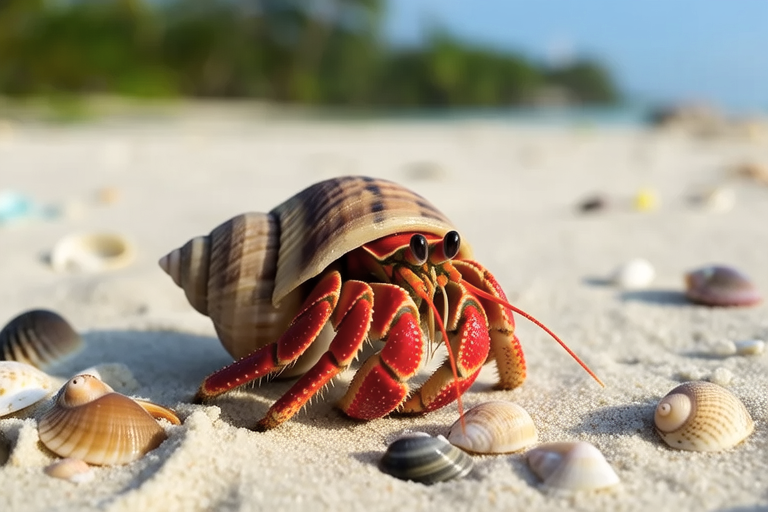
Hermit crabs are fascinating creatures known for their unique habit of living inside discarded shells. These shells serve as their mobile homes, protecting them from predators and harsh environmental conditions. Found in diverse environments such as tropical beaches, rocky shores, and coral reefs, hermit crabs play a vital role in marine ecosystems. This article delves into the intriguing world of hermit crabs, exploring their behavior, habitat needs, and the responsibilities of caring for these delightful creatures.
The Shell-Living Habit and Natural Habitats
Hermit crabs have a soft, vulnerable abdomen that lacks a hard exoskeleton, making them highly susceptible to predators. To protect themselves, they seek out empty snail shells, which they carry around with them. As hermit crabs grow, they must periodically find larger shells to accommodate their expanding bodies. This process, known as molting, is crucial for their survival. During this time, they become extremely vulnerable and require safe, secluded areas where they can undergo the transformation without interruption.
Natural habitats of hermit crabs vary widely depending on the species. Some prefer the sandy shores of tropical islands, while others thrive in the rocky intertidal zones or coral reefs. Their ability to adapt to different environments allows them to live in a wide range of climates, from warm tropical regions to cooler temperate areas. However, all hermit crabs share a preference for moist, humid environments that mimic their natural habitats.
Behavior and Social Interactions
Despite their solitary nature, hermit crabs are surprisingly social creatures. They often gather in groups, especially during mating season or when searching for food. While they may appear to be loners, hermit crabs benefit from the presence of others in their environment. In the wild, they interact with each other through a variety of behaviors, including shell trading. When a hermit crab finds a new, more suitable shell, it will sometimes leave its old one behind, prompting neighboring crabs to inspect and potentially adopt it. This dynamic exchange helps ensure that each crab has a shell that fits perfectly, reducing the risk of predation.
Hermit crabs also exhibit territorial behavior, particularly over prime shell real estate. If two crabs vie for the same shell, they may engage in a brief but intense struggle. The loser usually retreats to find another shell, while the winner claims the desired home. This competition underscores the importance of providing ample shell options in captivity to prevent stress and conflict among the crabs.
Feeding Habits and Adaptations
Hermit crabs are omnivorous scavengers, feeding on a wide variety of organic matter found in their natural habitats. In the wild, their diet consists of decaying plant material, small marine animals, algae, and detritus. Captive hermit crabs can be fed a similar diet, supplemented with commercial hermit crab food, fruits, vegetables, and occasional treats like shrimp or fish. It’s essential to offer a balanced diet rich in nutrients to support their growth and overall health.
One of the most remarkable aspects of hermit crab behavior is their ability to adapt their shells. Not only do they change shells as they grow, but they also modify the interior to suit their preferences. Using their claws, they scrape away the inner surface of the shell, creating a smooth, comfortable interior. Additionally, some species line their shells with sand or mud, further customizing their portable homes. This adaptation highlights the ingenuity and resourcefulness of these creatures.
Dietary Needs and Tank Setup Requirements
Hermit crabs have specific dietary requirements to maintain optimal health. A balanced diet should include a mix of proteins, carbohydrates, and fats, along with essential vitamins and minerals. Freshwater and saltwater hermit crabs have slightly different nutritional needs, so it’s important to research the specific requirements of your species. In general, offering a variety of foods, including fresh fruits, vegetables, and protein sources, will help ensure that your hermit crabs receive all the necessary nutrients.
Creating an ideal tank setup for hermit crabs involves replicating their natural environment as closely as possible. A spacious enclosure with plenty of hiding spots, climbing structures, and ample substrate for burrowing is essential. The substrate should be deep enough to allow for digging and should consist of materials like coconut fiber, sand, or crushed coral. Providing a variety of shells of different sizes and shapes ensures that your hermit crabs have options for changing their homes as needed.
Temperature and Humidity Preferences
Maintaining the correct temperature and humidity levels is crucial for the well-being of hermit crabs. Most species thrive in temperatures between 75°F and 85°F (24°C to 29°C). Sudden temperature changes can stress the crabs and potentially lead to health issues. Therefore, it’s advisable to use a thermostat-controlled heater to regulate the temperature within the tank. Regular monitoring of the temperature ensures that it remains stable and within the preferred range.
Humidity is equally important, as hermit crabs need a moist environment to breathe and maintain proper hydration. The humidity level in the tank should be kept between 70% and 80%. Achieving this requires regular misting, the use of a humidifier, and providing a shallow dish of freshwater. It’s essential to strike a balance, as overly high humidity can lead to mold growth, while too low humidity can cause dehydration.
Water Conditions
Hermit crabs rely on both saltwater and freshwater for various physiological processes. Saltwater is used for drinking, while freshwater is necessary for soaking and maintaining hydration. In captivity, it’s important to provide separate dishes for saltwater and freshwater. The saltwater should be prepared using a commercial salt mix designed for marine aquariums, while the freshwater should be dechlorinated to remove harmful chemicals.
The quality of the water is critical for the health of hermit crabs. Contaminated water can introduce harmful bacteria or parasites, leading to infections and other health problems. Regularly cleaning and replenishing the water dishes ensures that your hermit crabs always have access to clean, fresh water. Additionally, it’s a good idea to monitor the pH levels of both saltwater and freshwater to ensure they remain within the acceptable range.
Maintaining Health and Happiness
To keep hermit crabs healthy and happy, it’s important to provide them with a stimulating environment that encourages natural behaviors. Offering a variety of toys, climbing structures, and hiding places helps prevent boredom and promotes physical activity. Regular observation of their behavior can alert you to any potential health issues, allowing for early intervention if necessary.
Proper hygiene is also key to maintaining the health of hermit crabs. Cleaning the tank regularly, removing uneaten food, and disposing of waste helps prevent the buildup of harmful bacteria. Additionally, providing a balanced diet and ensuring adequate hydration supports their immune system, helping them resist illness.
Caring for hermit crabs comes with significant responsibilities. These creatures have complex needs that require attention and care to thrive. By understanding their behavior, dietary requirements, and environmental preferences, you can create a thriving habitat for your hermit crabs. Remember that hermit crabs can live for many years with proper care, making them rewarding companions for those willing to commit to their unique needs.
In conclusion, hermit crabs are captivating creatures with a world full of secrets waiting to be discovered. By unlocking the mysteries of their behavior and needs, we can better appreciate these fascinating animals and provide them with the care they deserve. Whether you’re a seasoned hermit crab owner or just starting your journey, the key to their happiness lies in understanding and meeting their unique requirements.
