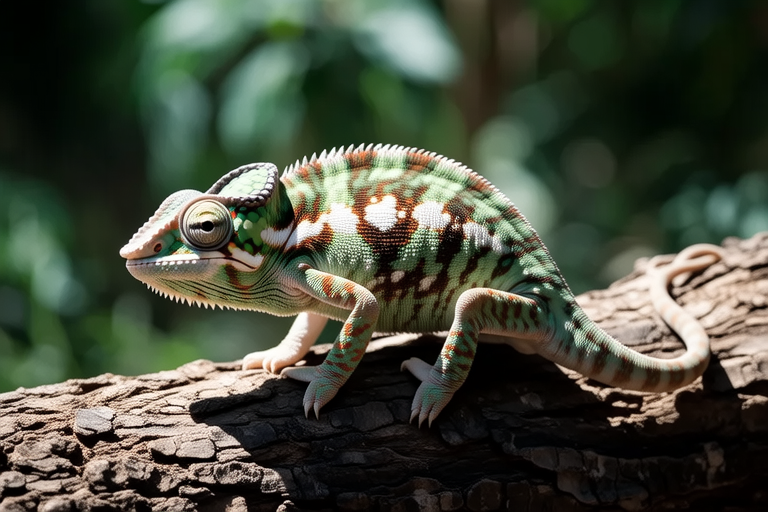
Unveiling the Secrets of Chameleon Behavior: What Your Pet Really Wants
Welcome to the fascinating world of chameleons! These unique reptiles have captivated the hearts of many pet owners with their striking appearance and intriguing behaviors. Chameleons, native to Africa and Madagascar, are known for their distinctive characteristics that make them stand out among other reptiles. With their prehensile tails, independently rotating eyes, and ability to change colors, chameleons offer a glimpse into the wonders of nature. Understanding your chameleon’s behavior can help you provide the best care possible, ensuring they thrive in their new home.
The Unique Characteristics of Chameleons
Chameleons are fascinating creatures with several unique features. Their feet are zygodactyl, meaning two toes point forward and two backward, allowing them to grip branches securely. Their long tongues, which can extend up to twice their body length, are used for catching insects. The most iconic feature of chameleons is their ability to change color, which serves various purposes beyond camouflage. While it’s commonly believed that chameleons change color to match their surroundings, this is not always the case. Instead, color changes are primarily used for communication, temperature regulation, and mood expression.
Common Behaviors and What They Reveal
Understanding your chameleon’s behavior is key to providing the best care. Here are some common behaviors and what they might indicate:
Color Changes
Chameleons can change color through specialized cells called chromatophores, which contain pigments. Darker colors like black or brown usually indicate stress or fear, while bright colors often signify aggression or excitement. A calm, relaxed chameleon may display muted tones. By observing these color shifts, you can gauge your chameleon’s emotional state and respond accordingly.
Body Language
Chameleons use their bodies to communicate as well. For example, flattening their bodies can be a defensive stance, showing that they feel threatened. On the other hand, puffing up their throats or nodding their heads can be signs of aggression. Paying attention to these subtle cues can help you create a safe and comfortable environment for your chameleon.
Feeding Habits
Chameleons are insectivores, meaning their diet consists mainly of insects. In captivity, it’s important to provide a variety of nutritious insects such as crickets, dubia roaches, and waxworms. Gut loading these insects with nutrient-rich foods before feeding them to your chameleon ensures they receive proper nutrition. Additionally, dusting the insects with calcium and vitamin supplements helps prevent deficiencies. Observing your chameleon’s feeding habits can also give insights into their health. If they show little interest in food or struggle to catch prey, it could indicate underlying issues that require attention.
Tips for Understanding and Meeting Your Chameleon’s Needs
To ensure your chameleon is healthy and happy, here are some practical tips:
Regular Health Checks
Scheduling routine visits with a veterinarian who specializes in exotic pets is crucial. These professionals can perform thorough examinations, check for parasites, and provide vaccinations when necessary. Regular health checks help catch potential problems early, preventing more serious issues down the line.
Encouraging Natural Behavior
Providing opportunities for climbing, basking, and hiding encourages natural behaviors that contribute to your chameleon’s overall well-being. Incorporating live plants, branches, and hides in their enclosure mimics their natural habitat, promoting physical and mental stimulation.
Temperature and Humidity Control
Maintaining appropriate temperature and humidity levels is essential for your chameleon’s health. Use thermometers and hygrometers to monitor these conditions and adjust heating elements or misting systems as needed. Proper temperature gradients allow your chameleon to regulate its body temperature effectively, while adequate humidity prevents dehydration and skin issues.
Creating an Optimal Environment
Designing an enclosure that closely resembles a chameleon’s natural habitat is vital for their health and happiness. Here are some guidelines to follow:
Size Matters
Adequate space is crucial for chameleons to move around freely and exhibit natural behaviors. Generally, a minimum of 24 inches in height and width per adult chameleon is recommended. Larger enclosures provide more room for climbing and basking, reducing stress and promoting physical activity.
Lighting and Heating
Proper lighting and heating are essential for simulating natural sunlight and maintaining optimal temperatures. Full-spectrum UVB bulbs should be placed within 6 to 12 inches of the basking area, allowing chameleons to absorb necessary vitamins. Basking spots should reach between 85 and 95 degrees Fahrenheit, while the cooler side of the enclosure should remain around 75 degrees. Providing a thermal gradient enables your chameleon to regulate its body temperature effectively.
Substrate and Decorations
Choosing the right substrate and decorations can enhance your chameleon’s environment. Avoid substrates that pose ingestion risks, such as sand or gravel. Instead, opt for safer alternatives like paper towels, reptile carpet, or eco-friendly substrates. Adding live plants, branches, and hides creates a stimulating and enriching habitat that promotes natural behaviors.
Water and Hydration
Ensuring your chameleon stays hydrated is critical. Provide a water dish large enough for soaking but shallow enough to prevent drowning. Additionally, misting the enclosure daily and using a drip system encourages drinking and maintains proper humidity levels. Some chameleons prefer to drink from droplets rather than standing water, so incorporating these methods can improve hydration.
Conclusion
By understanding and meeting your chameleon’s needs, you can provide them with a loving and supportive home. From observing their color changes and body language to creating an optimal environment, every aspect of their care contributes to their health and happiness. Remember, chameleons are unique creatures with specific requirements, and investing time and effort into learning about their behavior will reward you with a thriving and contented pet. With patience, dedication, and knowledge, you can unlock the secrets of chameleon behavior and ensure your pet thrives in its new home.
