The Ultimate Guide to Feeding Your Betta for Optimal Health
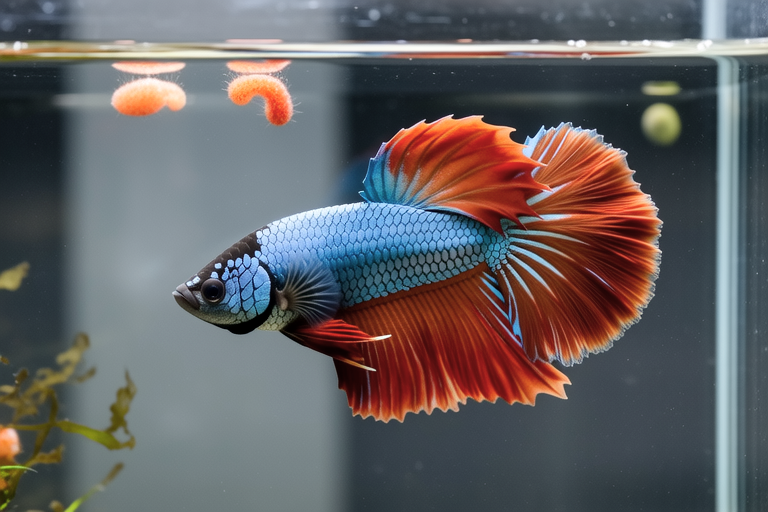
Betta fish, often known as Siamese fighting fish, are popular pets due to their vibrant colors and graceful movements. However, ensuring they lead a healthy life requires careful attention to their diet. This guide will walk you through everything you need to know about feeding your betta for optimal health.
Understanding Betta’s Dietary Needs
Bettas are carnivorous and primarily feed on insects and insect larvae in the wild. In captivity, they require a diet rich in protein and fats. Their digestive systems are designed to process live or frozen foods, but they can also thrive on high-quality pellets and flakes. It’s crucial to understand that bettas have small stomachs, which means they should eat several small meals rather than one large meal daily.
Types of Food Suitable for Bettas
Live Foods
Live foods such as bloodworms, brine shrimp, and daphnia are excellent for bettas. These foods are highly nutritious and mimic what they would eat in the wild. They provide essential vitamins and minerals that may be lacking in other forms of food. However, care must be taken when handling live foods, as they can introduce harmful bacteria into the tank.
Frozen Foods
Frozen foods are an excellent alternative to live foods. They are convenient, easy to store, and less likely to carry diseases. Options include bloodworms, brine shrimp, and daphnia. Frozen foods should be thawed before feeding to ensure they’re at the right temperature for your betta.
Dry Foods
Pellets and flakes are widely available and are convenient for regular feeding. High-quality pellets and flakes should contain a balance of proteins, fats, and carbohydrates. Look for products specifically formulated for bettas, which usually have higher protein levels and fewer fillers than generic fish foods.
Recommended Feeding Schedules
Feeding bettas too much or too little can lead to health issues. A general rule is to feed them two to three times a day, with each meal consisting of only what they can consume within a few minutes. Overfeeding can cause bloating, swim bladder problems, and water pollution. Underfeeding can lead to malnutrition and weakened immune systems.
The Importance of Water Quality in Relation to Digestion
Water quality plays a significant role in your betta’s digestive health. Poor water conditions can stress the fish, leading to digestive issues. Regular water changes and maintaining appropriate water parameters (temperature, pH, ammonia, nitrite, and nitrate levels) are crucial. Stress-free environments promote better digestion and overall health.
Common Feeding Mistakes and Their Impacts
Overfeeding
Overfeeding can lead to bloating, swim bladder disorders, and water pollution. Excess uneaten food decomposes in the tank, increasing ammonia and nitrite levels, which are toxic to fish.
Underfeeding
Insufficient food can result in malnutrition, slow growth, and a weakened immune system. Malnourished bettas may become lethargic and susceptible to diseases.
Inconsistent Feeding
Feeding your betta inconsistently can disrupt its digestive cycle, leading to poor health. It’s important to establish a routine feeding schedule.
Signs of Proper Nutrition vs Malnutrition
Proper Nutrition
- Vibrant colors
- Active swimming behavior
- Healthy appetite
- No visible physical deformities
Malnutrition
- Faded colors
- Lethargy
- Poor appetite
- Visible physical deformities like curved spines
Tips for Transitioning Bettas to New Diets
Transitioning your betta to a new diet should be done gradually to avoid digestive issues. Start by mixing a small portion of the new food with the old food. Gradually increase the proportion of the new food over the course of a week. Monitor your betta closely during this period for any signs of discomfort or illness.
Conclusion
Feeding your betta properly is crucial for its health and longevity. By understanding their dietary needs, providing the right types of food, establishing a consistent feeding schedule, maintaining good water quality, avoiding common feeding mistakes, recognizing signs of proper nutrition, and smoothly transitioning them to new diets, you can ensure your betta leads a happy and healthy life. Always consult with a veterinarian specializing in exotic pets if you have concerns about your betta’s health.
