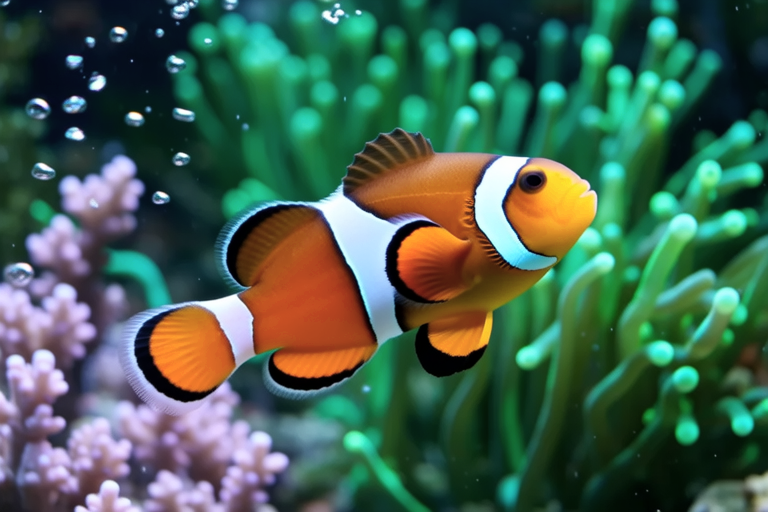
Caring for Clownfish: A Comprehensive Guide for Experienced Aquarium Owners
Clownfish are popular and beloved marine fish known for their vibrant colors and symbiotic relationship with sea anemones. These captivating creatures can thrive in home aquariums when provided with the right environment and care. This guide offers a detailed, step-by-step approach to ensuring the well-being of your clownfish, focusing on optimal tank conditions, diet, health issues, and water quality maintenance. It also emphasizes the importance of creating a suitable habitat, including selecting appropriate tank mates and decorations.
Optimal Tank Conditions
To ensure the health and happiness of your clownfish, it’s crucial to set up a well-balanced aquarium. Clownfish require specific environmental parameters that mimic their natural habitat. Here’s what you need to know:
- Tank Size: Clownfish do best in tanks that are at least 30 gallons in size. Smaller tanks can lead to stress and disease due to poor water quality.
- Water Parameters: Maintain a pH level between 8.1 and 8.4, a temperature range of 76-82°F (24-28°C), and a salinity of 1.020-1.025.
- Filtration: Invest in a high-quality filter that can handle the tank’s volume. Efficient filtration helps maintain water clarity and reduces harmful substances.
- Aeration: Ensure good oxygen levels through proper aeration. This is especially important if your tank has limited surface movement.
Diet Specifics
Feeding your clownfish appropriately is essential for their growth and health. These omnivores have diverse dietary needs:
- Variety: Provide a mix of fresh and frozen foods, such as brine shrimp, mysis shrimp, and vitamin-enriched flake or pellet food.
- Frequency: Feed them twice daily, offering small portions each time. Overfeeding can lead to obesity and poor water quality.
- Supplements: Occasionally introduce supplements like algae wafers or spirulina flakes to ensure they receive all necessary nutrients.
Common Health Issues
Despite proper care, clownfish may still encounter health problems. Recognizing these issues early is key to effective treatment:
- Fungal Infections: Symptoms include white spots or cotton-like growths on the body. Treat with antifungal medications and improve water quality.
- Bacterial Diseases: Look for signs like fin rot, red streaks, or lethargy. Antibiotics might be necessary under veterinary guidance.
- Parasitic Infestations: Fish may develop white spots or appear restless. Consult a vet for appropriate treatments.
Maintaining Water Quality
Regular monitoring and maintenance of water quality are vital for preventing health issues:
- Weekly Testing: Use test kits to check ammonia, nitrite, nitrate, and pH levels weekly. Adjustments should be made based on results.
- Partial Water Changes: Perform partial water changes (about 10-20% of the total volume) every two weeks to remove accumulated toxins.
- Chemical Filtration: Utilize activated carbon filters to absorb dissolved organic compounds and improve water clarity.
Creating a Suitable Habitat
A well-designed aquarium provides both physical comfort and mental stimulation for your clownfish. Consider the following aspects:
- Decorations: Incorporate live rock, corals, and plants to create hiding spots and simulate their natural reef environment. Decorations also enhance the visual appeal of the tank.
- Tank Mates: Choose compatible species that won’t bully or compete with the clownfish. Potential tank mates include other peaceful marine fish, shrimp, and snails.
- Anemone Housing: While not mandatory, housing clownfish with anemones replicates their natural habitat. Ensure the anemone is healthy and compatible with the clownfish.
Behavioral Considerations
Understanding clownfish behavior helps in providing optimal care:
- Social Structure: Clownfish are generally territorial but can live harmoniously in groups. Introduce new fish gradually to avoid conflicts.
- Aggression: Monitor interactions closely, especially during feeding times. Address any aggressive behavior promptly to prevent injury.
- Stress Indicators: Watch for signs of stress, such as loss of color, excessive hiding, or erratic swimming. Adjust tank conditions accordingly.
Long-Term Care and Monitoring
Consistent monitoring and care contribute to the longevity of your clownfish:
- Health Checks: Regularly observe your fish for any unusual behavior or physical changes. Early detection can prevent serious health issues.
- Environmental Adjustments: As your clownfish grow, adapt their living space to accommodate their increased size and activity levels.
- Professional Advice: Consult with experienced aquarists or veterinarians when faced with complex health or environmental challenges.
Conclusion
Caring for clownfish requires dedication and attention to detail. By setting up an ideal tank environment, providing a balanced diet, addressing common health issues, and maintaining excellent water quality, you can ensure the long-term health and happiness of your clownfish. Remember, a thriving aquarium is a result of thoughtful planning and ongoing care.
