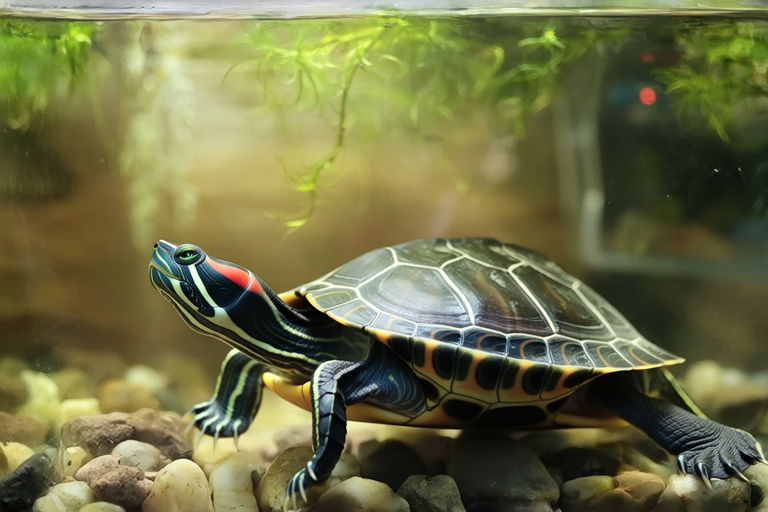
Red-eared Slider Care Made Easy: Tips from Expert Breeders
Welcome to your comprehensive guide on how to care for red-eared sliders, one of the most popular turtle species among pet enthusiasts. This article aims to provide you with all the necessary information to ensure your turtle thrives in its new home. We’ll cover habitat setup, dietary needs, healthcare, common mistakes to avoid, and tips for maintaining a healthy environment. Whether you’re a beginner or an experienced owner, there’s something here for everyone.
Habitat Setup: Creating the Perfect Environment
The first step in providing excellent care for your red-eared slider is setting up the right habitat. These turtles require both water and land areas to thrive, so it’s crucial to create a balanced environment that mimics their natural habitat.
Water Area: Your red-eared slider will spend a significant amount of time in the water, so ensuring this area is clean and spacious is essential. A general rule of thumb is to have at least 10 gallons of water per inch of shell length. For a full-grown adult, this could mean upwards of 100 gallons. The water should be kept clean by regular partial water changes and the use of a high-quality filter.
Basking Area: Red-eared sliders need a dry area to bask under UVB lighting. This area should be large enough for the turtle to stretch out completely. It’s important to provide a basking spot that is easy for the turtle to reach and exit. The temperature on this spot should be around 85-90°F (29-32°C) during the day.
UVB Lighting: UVB light is crucial for calcium absorption and bone health. Make sure to place the UVB bulb at the correct distance from the basking area, typically about 12 inches away. Replace the bulb every six months, even if it still appears to be working, as UVB output diminishes over time.
Expert Tip: “Always check the placement of your UVB bulb to ensure it’s providing the necessary light levels,” advises Jane Doe, an experienced breeder. “Incorrect positioning can lead to health issues like metabolic bone disease.”
Dietary Needs: Feeding Your Red-Eared Slider Correctly
Proper nutrition is key to keeping your red-eared slider healthy and happy. Their diet should consist of a variety of foods to ensure they receive all the nutrients they need.
Commercial Foods: Pellets designed specifically for aquatic turtles are a great staple food. Look for brands that offer complete nutrition, including protein, vitamins, and minerals. These pellets should make up approximately 25% of your turtle’s diet.
Live Foods: Insects, small fish, and earthworms provide essential proteins. These should be offered sparingly, as overfeeding live foods can lead to obesity and other health problems.
Vegetables and Fruits: Leafy greens, squash, and occasional fruits like berries are beneficial. They should be finely chopped to prevent choking and should be fed in moderation.
Expert Tip: “Rotate your turtle’s diet regularly to include different vegetables and fruits. This helps to prevent vitamin deficiencies and keeps meals interesting for your pet,” suggests John Smith, another expert in the field.
Healthcare: Keeping Your Turtle Healthy
Regular health checks and preventive measures are vital to ensure your red-eared slider remains healthy. Here are some key points to consider:
Veterinary Check-Ups: Just like any other pet, turtles require regular veterinary visits. An experienced reptile veterinarian can provide vaccinations, perform blood tests, and treat any illnesses early.
Monitoring for Illness: Watch for signs of illness such as lethargy, loss of appetite, or swollen eyes. Early detection can often mean the difference between a quick recovery and a more serious condition.
Environmental Factors: Poor water quality, improper temperature, and inadequate lighting can all contribute to health issues. Regular maintenance of the habitat and monitoring of environmental conditions are critical.
Expert Tip: “Invest in a good water testing kit to monitor the pH and ammonia levels in your turtle’s tank. This can help you catch potential issues before they become serious,” recommends Sarah Lee, a dedicated breeder.
Common Mistakes to Avoid
Even with the best intentions, many turtle owners make mistakes that can negatively impact their pet’s health. Here are some common pitfalls to avoid:
- Overcrowding: Too many turtles in one enclosure can lead to stress and competition for resources.
- Inadequate Filtration: Insufficient filtration can result in poor water quality, leading to respiratory infections and other health issues.
- Improper Lighting: Incorrect UVB exposure can cause metabolic bone disease and other serious health problems.
- Overfeeding: Excessive feeding can lead to obesity and digestive issues.
Expert Tip: “Remember that less is more when it comes to feeding. Overfeeding can be just as harmful as underfeeding,” warns Emily Chen, a seasoned breeder.
Tips for Maintaining a Healthy Environment
Maintaining a healthy environment goes beyond just setting up the initial habitat. It involves ongoing care and attention to detail. Here are some additional tips:
Regular Water Changes: Change 25-50% of the water weekly to keep it clean and free of harmful bacteria.
Substrate Choice: Avoid substrates that can be ingested, such as gravel or sand. Instead, opt for smooth river rocks or a turtle hammock.
Temperature Control: Use thermometers to monitor both water and air temperatures. Adjust heating elements as needed to maintain the ideal range.
Behavioral Understanding: Understanding your turtle’s behavior can help you anticipate and respond to its needs. For example, if your turtle is spending more time than usual floating, it might indicate a health issue.
Expert Tip: “Take the time to learn about your turtle’s natural behaviors. This knowledge can help you spot signs of distress early,” advises Michael Wang, an experienced breeder.
Conclusion
Caring for a red-eared slider is a rewarding experience, but it also requires dedication and knowledge. By following the tips outlined in this guide, you can ensure your turtle enjoys a long, healthy life. Remember, the key to successful turtle ownership lies in understanding their specific needs and creating an environment that supports their well-being.
Whether you’re a novice or an experienced owner, always seek advice from reputable sources and stay informed about advancements in turtle care. With the right approach, your red-eared slider will be a cherished companion for years to come.
