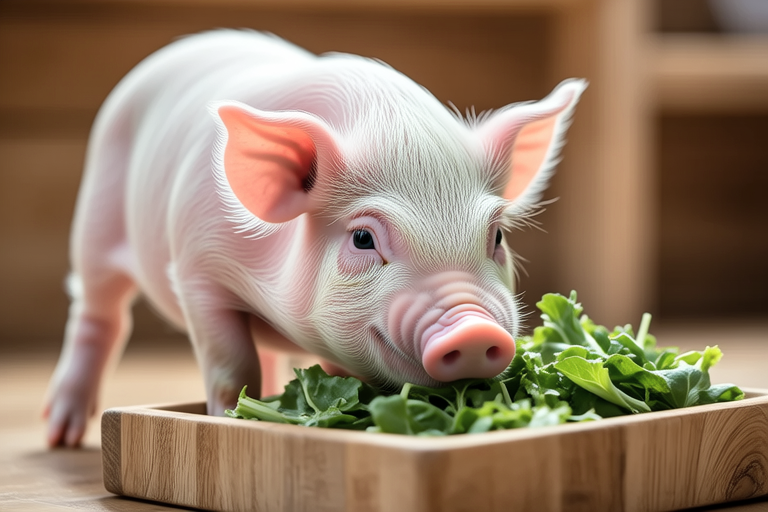
The Secret Life of Mini Pigs: What Every Owner Needs to Know
Welcome to the fascinating world of mini pigs! These adorable creatures have captured the hearts of many pet lovers with their charming personalities and compact size. However, before you bring one home, it’s crucial to understand their unique needs and characteristics. This guide will delve into the origins of mini pigs, common misconceptions, dietary requirements, exercise needs, grooming tips, health concerns, social behaviors, training techniques, and the importance of mental stimulation. Let’s embark on this enlightening journey together!
Origins of Mini Pigs
Mini pigs, also known as teacup, micro, or pot-bellied pigs, trace their roots back to Southeast Asia, where they were initially domesticated for food. Over time, selective breeding has led to the development of smaller breeds, which are now popular pets. The Vietnamese pot-bellied pig is one of the most well-known varieties, but there are numerous other breeds, each with its own distinct traits.
Common Misconceptions About Mini Pigs
One of the biggest myths surrounding mini pigs is that they remain tiny throughout their lives. In reality, even miniature breeds can grow up to 75 pounds or more. Another misconception is that they are low-maintenance pets. While they may not require daily walks like dogs, mini pigs still need attention, care, and proper living conditions. Lastly, many people believe that pigs are dirty animals, but with proper hygiene and care, they can be just as clean as any other pet.
Dietary Needs
A balanced diet is essential for maintaining your mini pig’s health and well-being. Their diet should consist primarily of commercial pig pellets, which provide the necessary nutrients. Supplementing with fresh vegetables, fruits, and limited amounts of grains can offer variety and enrichment. Avoid feeding them processed human foods, as they can lead to obesity and other health issues. Always consult with a veterinarian to determine the appropriate portion sizes based on your pig’s age, weight, and activity level.
Exercise Requirements
Regular physical activity is vital for keeping your mini pig healthy and happy. While they don’t need long walks like dogs, providing ample space for exploration and play is important. Encourage your pig to engage in activities such as rooting in a sandbox or playing with toys designed for pigs. If possible, allow them access to a secure outdoor area where they can explore and forage. Remember, mental stimulation is just as crucial as physical exercise.
Grooming Tips
Maintaining good hygiene is key to preventing skin issues and promoting overall health. Regular brushing helps remove loose hair and dirt, while baths should be given only when necessary. Keep nails trimmed to prevent overgrowth, and check ears and eyes regularly for signs of infection. Providing soft bedding and ensuring a clean living environment further supports your pig’s well-being.
Health Concerns
Like all animals, mini pigs are susceptible to certain health problems. Common issues include respiratory infections, parasites, and dental problems. Regular veterinary check-ups are essential for early detection and treatment of any potential health concerns. Additionally, spaying or neutering your pig can help prevent certain medical conditions and behavioral issues.
Social Behaviors
Mini pigs are highly social animals that thrive on interaction with their human companions. They form strong bonds with their owners and enjoy being part of family activities. It’s important to spend quality time with your pig, offering affection and positive reinforcement. Creating a routine that includes playtime, feeding, and grooming helps establish a trusting relationship.
Training Techniques
Training your mini pig can be both fun and rewarding. Positive reinforcement methods, such as treats and praise, work best for encouraging desired behaviors. Basic commands like ‘sit,’ ‘stay,’ and ‘come’ can be taught through consistent practice and patience. Teaching your pig to walk on a leash can also enhance bonding and provide additional exercise opportunities. Remember, consistency is key in training, so be patient and persistent.
Mental Stimulation
Mental stimulation is crucial for keeping your mini pig engaged and entertained. Providing puzzles, toys, and interactive games can help prevent boredom and promote cognitive development. Rotate toys periodically to maintain interest and challenge your pig’s problem-solving skills. Engaging in regular play sessions not only strengthens the bond between you and your pet but also contributes to their overall happiness.
Real-Life Experiences
Lisa, a mini pig owner from California, shares her experience: “When I first brought my mini pig, Daisy, home, I was surprised by how much she loved playing fetch. We started with soft balls, and now she retrieves anything I throw for her. It’s amazing how smart and trainable she is!”
Another owner, Mark, emphasizes the importance of mental stimulation: “My mini pig, Charlie, loves to root around in his sandbox. He spends hours digging and searching for hidden treats. It keeps him busy and prevents destructive behavior.”
Conclusion
Mini pigs are delightful companions that bring joy and laughter to many households. By understanding their origins, addressing common misconceptions, and meeting their dietary, exercise, grooming, and social needs, you can ensure a fulfilling life for your mini pig. With proper care and attention, these intelligent animals can become cherished members of your family. Remember, every mini pig is unique, so take the time to get to know your pet’s individual preferences and quirks. Happy pig parenting!
