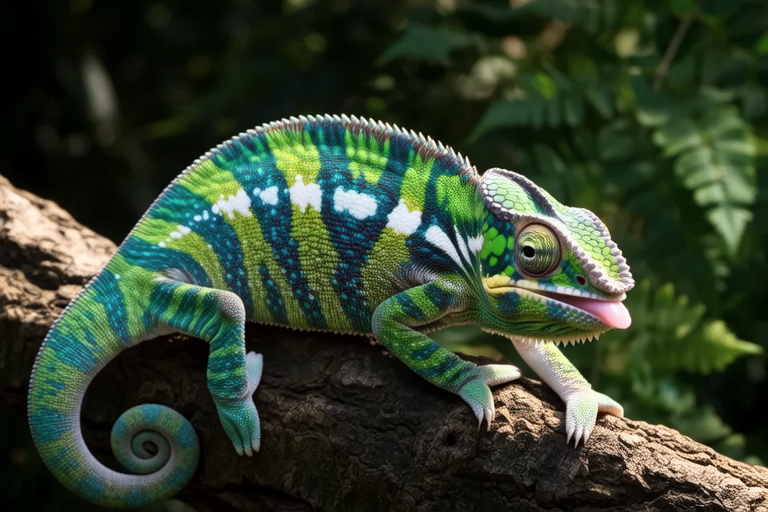
Chameleon Colors Explained: Why and How These Reptiles Change Color
Welcome to the fascinating world of chameleons, one of nature’s most intriguing creatures. Known for their remarkable ability to change color, these lizards have captured the imagination of scientists and enthusiasts alike. Their vibrant hues range from bright greens and blues to deep reds and oranges, making them stand out in the animal kingdom. But why and how do chameleons change color? Let’s delve into the mysteries surrounding this phenomenon.
The Misconception About Camouflage
One of the most common misconceptions about chameleons is that they change color to blend into their surroundings. While it’s true that chameleons can alter their appearance, this isn’t primarily for camouflage purposes. Instead, their color-changing abilities serve multiple functions, including temperature regulation, communication, and mood expression.
Temperature Regulation
Chameleons are ectothermic, meaning they rely on external sources to regulate their body temperature. By changing color, they can absorb or reflect sunlight to maintain optimal warmth. For example, a darker color absorbs more heat, which is useful in cooler environments, while lighter colors help reflect excess heat during hot periods.
Communication and Mood Expression
Another significant reason for chameleons’ color changes is communication. These reptiles use color shifts to signal various emotions and intentions to other chameleons. For instance, a male chameleon may display bright colors to attract a mate or intimidate rivals. Similarly, females can change color to express receptivity or rejection towards potential suitors. Moreover, chameleons also use color changes to express their mood, whether they’re feeling calm, stressed, or aggressive.
The Physiological Process Behind Color Changes
The mechanism behind chameleons’ color-changing abilities lies in specialized cells called chromatophores. These cells contain pigments responsible for producing different colors. The three main types of chromatophores found in chameleons are:
- Erythrophores: Contain red pigments
- Xanthophores: Contain yellow pigments
- Iridophores: Reflect light to produce iridescent colors like blue and green
The interplay between these cells allows chameleons to create a wide array of colors. When a chameleon wants to change its color, it sends signals through its nervous system to expand or contract certain chromatophores. This process takes place within milliseconds, resulting in a seamless transition between colors.
Examples of Color Changes in Different Species and Contexts
Let’s explore some specific examples of color changes in various chameleon species:
Beechey’s Chameleon (Furcifer lateralis)
This species is known for its rapid color changes, often shifting from green to brown within seconds. Beechey’s chameleons use these color transitions to communicate dominance and readiness for mating. Males will display bright colors to attract females, while females may darken their appearance to discourage unwanted advances.
Parson’s Chameleon (Calumma parsonii)
One of the largest chameleon species, Parson’s chameleons exhibit striking color patterns. They frequently change color when threatened, displaying bold stripes or spots to appear larger and more intimidating to predators. Additionally, males use vibrant colors to establish territories and compete for mates.
Veiled Chameleon (Chamaeleo calyptratus)
Native to Yemen and Saudi Arabia, the veiled chameleon is famous for its dramatic color displays. These lizards can change from dull browns to vibrant greens and yellows, depending on their mood and environment. Veiled chameleons often use color changes to express aggression, especially during confrontations with other males.
Tips for Owners on Maintaining an Environment Conducive to Healthy Color Displays
If you’re fortunate enough to own a chameleon, providing the right environment is crucial for maintaining their health and promoting natural color displays. Here are some tips:
- Proper Lighting: Chameleons require UVB lighting to synthesize vitamin D3 and absorb calcium. Position the light so that your chameleon can bask under it and receive the necessary UVB exposure.
- Adequate Temperature Gradient: Create a temperature gradient in your chameleon’s enclosure to allow them to thermoregulate effectively. Use heat lamps or ceramic heaters to achieve the desired temperature range.
- Humidity Levels: Maintain appropriate humidity levels, as chameleons need moisture to stay hydrated and healthy. Mist their enclosure regularly or use a humidifier to keep the air moist.
- Stress-Free Environment: Minimize stress by providing hiding spots and ensuring your chameleon has enough space to move around comfortably. Avoid overcrowding or placing multiple chameleons together unless they are properly introduced and monitored.
- Nutrition: Feed your chameleon a balanced diet rich in vitamins and minerals. Offer a variety of insects and supplement their food with calcium and multivitamins as needed.
By following these guidelines, you’ll help ensure your chameleon remains healthy and vibrant, allowing it to showcase its full range of colors.
In conclusion, chameleons’ color-changing abilities are a testament to nature’s ingenuity. Far from mere camouflage, these transformations play vital roles in temperature regulation, communication, and mood expression. Understanding the science behind chameleons’ color changes not only deepens our appreciation for these fascinating creatures but also underscores the importance of creating suitable living conditions for pet chameleons. So next time you see a chameleon, take a moment to marvel at its incredible adaptability and the intricate mechanisms that make it possible.
