Top 7 Fascinating Facts About Clownfish That Will Amaze You
Clownfish, those vibrant orange and white-striped fish that have captured our hearts and imaginations, are more than just characters in animated films. These small yet mighty creatures have a rich and fascinating world beneath the waves. From their unique symbiotic relationships to their complex social structures, there’s much more to these little fish than meets the eye. Dive into the top seven fascinating facts about clownfish that will leave you amazed.
1. Clownfish Have a Special Relationship with Sea Anemones
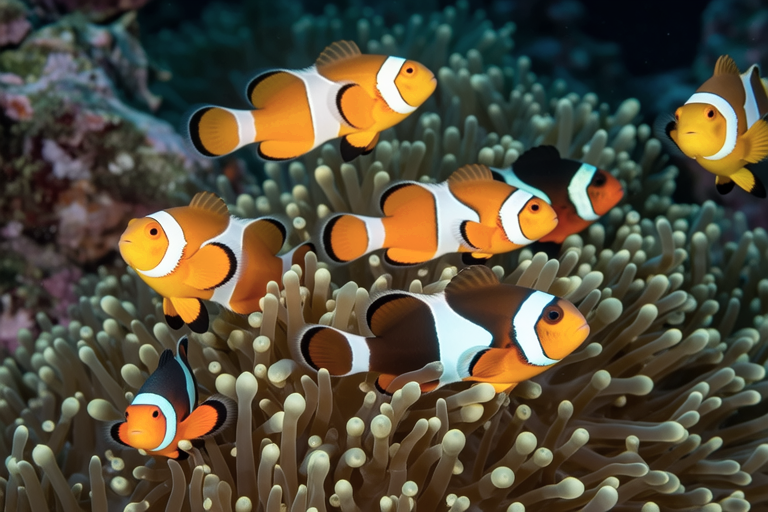
One of the most remarkable traits of clownfish is their ability to live among sea anemones without getting stung. This symbiotic relationship is a marvel of nature. The clownfish secretes a mucus layer on its skin that protects it from the anemone’s stinging cells, known as nematocysts. In return, the clownfish provides food to the anemone by bringing it scraps from its own meals and even attracting larger fish to the anemone, which the anemone can then capture. This mutualistic relationship is a perfect example of how species can coexist and thrive together, setting a beautiful precedent for ecological harmony.
This extraordinary partnership between clownfish and sea anemones is just the beginning of their intriguing lives. Next, we’ll explore another unique aspect of their behavior: their remarkable parenting skills.
2. Clownfish Are Exceptional Parents
Clownfish are one of the few species of fish that exhibit parental care. Both the male and female clownfish work together to protect their eggs. The male fish takes primary responsibility for guarding the nest, fanning the eggs with his fins to provide oxygen and ward off predators. This dedication to their offspring is unmatched in many other fish species, making clownfish stand out in terms of their parenting abilities.
The commitment to their young is not just about survival; it’s also about creating a stable environment for future generations. As we delve deeper into the world of clownfish, we uncover another surprising fact about their behavior.
3. Clownfish Are Territorial and Aggressive Defenders
Despite their small size, clownfish are fiercely territorial. They will defend their home, which usually includes their sea anemone, against any intruders, including other clownfish. This aggressive behavior is essential for protecting their territory and resources, ensuring the safety and well-being of their family group. Their boldness is particularly impressive given the dangers they face in the ocean.
While their bravery is commendable, it’s not the only way clownfish stand out in the underwater world. Let’s take a look at another unique trait that sets them apart from other fish.
4. Clownfish Are Protandrous Hermaphrodites
Clownfish have a fascinating reproductive system. They start their lives as males and can change sex to become females if needed. This process, known as protandry, means that within a group of clownfish, the largest and most dominant individual will be the female. If the female dies, the largest male will change sex to fill her role, ensuring the continuation of the species. This flexible approach to reproduction allows clownfish populations to remain resilient and adaptable in the face of environmental changes.
This adaptability is crucial for survival, especially in the ever-changing marine environment. Now, let’s explore how clownfish navigate their complex social hierarchy.
5. Clownfish Have Complex Social Structures
Clownfish live in groups, typically consisting of a breeding pair and several non-breeding individuals. These groups have a strict hierarchy, with the breeding pair at the top. The breeding pair is usually the largest and most dominant, while the non-breeding individuals help protect the group’s territory. Interestingly, the non-breeding individuals are often younger fish that may eventually replace the breeding pair if something happens to them. This intricate social structure ensures the stability and continuity of the group.
The complexity of their social lives is matched by their remarkable ability to communicate. Moving on, let’s discover how clownfish use their senses to interact with their environment.
6. Clownfish Communicate Through Color and Sound
Clownfish use color and sound to communicate with each other. The bright colors of their stripes serve as visual signals, helping to establish dominance and identify members of their group. Additionally, they produce sounds, such as grunts and pops, which can be heard by other clownfish over short distances. These vocalizations play a crucial role in maintaining group cohesion and defending their territory. This combination of visual and auditory communication makes clownfish highly effective at interacting within their social groups.
Communication is vital for survival, but so is finding food in the vast ocean. Next, we’ll explore how clownfish manage to find sustenance in their environment.
7. Clownfish Are Omnivores with a Diverse Diet
Clownfish are omnivorous, meaning they eat both plant and animal matter. Their diet consists mainly of algae, zooplankton, and small invertebrates like copepods and brine shrimp. This diverse diet allows them to thrive in various environments and adapt to changing conditions. By consuming different types of food, clownfish ensure they get all the nutrients they need to stay healthy and strong.
Understanding what clownfish eat gives us insight into their resilience and adaptability. As we conclude this journey through the fascinating world of clownfish, it’s clear that these small fish are full of surprises and wonders.
From their symbiotic relationship with sea anemones to their complex social structures, clownfish continue to amaze and inspire us. Whether you’re a marine biology enthusiast or simply curious about the underwater world, these facts highlight the incredible diversity and complexity of life in the oceans. So next time you see a clownfish, remember that there’s much more to these colorful creatures than meets the eye.
