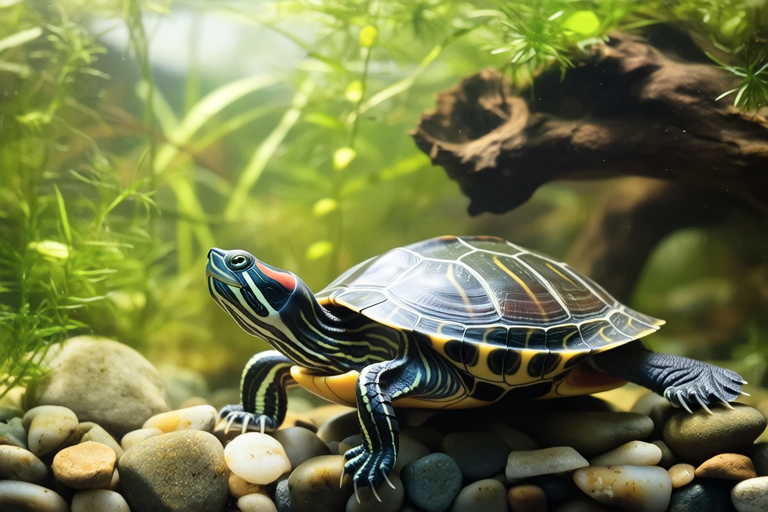
The Ultimate Setup: Creating the Perfect Habitat for Your Red-eared Slider
Introduction to Red-eared Sliders
Red-eared sliders (Trachemys scripta elegans) are among the most popular aquatic turtles worldwide. Known for their distinctive red stripes behind their eyes, these semi-aquatic creatures require a carefully designed habitat to thrive. Originating from North America, they have adapted to various climates but still need specific environmental conditions to maintain their health and longevity.
The Importance of Proper Habitat Setup
A well-crafted habitat is crucial for the physical and mental well-being of your red-eared slider. It ensures they get enough exercise, proper nutrition, and a stress-free environment. A poorly set-up habitat can lead to health issues like shell rot, respiratory infections, and metabolic bone disease. Understanding the needs of your pet will enhance its quality of life and extend its lifespan.
Necessary Equipment: Tank Size, Lighting, Filtration
Tank Size
For one adult red-eared slider, a minimum tank size of 75 gallons is recommended. This allows ample space for swimming and movement. For every additional turtle, add approximately 20 gallons. Larger tanks also help maintain better water quality by diluting waste products.
Lighting
UVB lighting is vital for calcium absorption and overall health. Choose a UVB bulb that provides 10% strength and replace it every six months. Position the light so that your turtle can bask within 12 inches of it for several hours daily. Additionally, provide a heat lamp for basking areas to reach temperatures between 85-90°F (29-32°C).
Filtration
Effective filtration is essential for maintaining clean water. Opt for a filter with at least four times the volume of the tank per hour. Regularly clean the filter to prevent clogs and ensure optimal performance. This helps in reducing ammonia and nitrite levels, keeping your turtle healthy.
Water Quality Maintenance
Regular water changes are necessary to keep the habitat clean. Aim to change 20-30% of the water weekly. Test the water regularly for pH levels, ammonia, nitrites, and nitrates. Ideal pH ranges between 6.5-8.0. Using dechlorinated water and adding aquarium salt can help maintain good water quality.
Basking Area Essentials
A dry, warm basking area is crucial for your turtle’s health. It should be large enough for the turtle to stretch out completely and positioned under a heat lamp. The surface should be easy to climb on and off, such as slate or river rocks. Ensure there’s no risk of injury from sharp edges or slippery surfaces.
Temperature and Humidity Requirements
Red-eared sliders prefer water temperatures between 75-80°F (24-27°C). Use a submersible heater to maintain this range. Nighttime temperatures can drop slightly but shouldn’t go below 70°F (21°C). Humidity levels should remain moderate; excessive moisture can lead to respiratory problems.
Diet Integration Tips
Feed your turtle a balanced diet rich in protein, vitamins, and minerals. Offer a mix of commercial turtle pellets, leafy greens, and occasional live foods like earthworms or feeder fish. Limit fruits and vegetables to prevent digestive issues. Feed young turtles daily and adults every other day. Always remove uneaten food promptly to maintain water quality.
Common Mistakes to Avoid
Overcrowding the tank can lead to stress and illness. Avoid placing too many decorations that could obstruct swimming paths or create hiding spots for uneaten food. Improper lighting can result in vitamin D deficiency. Failing to monitor water quality closely can cause ammonia poisoning. Regular maintenance checks and prompt attention to any signs of illness are critical.
Concluding Benefits of a Well-Setup Habitat
A properly set-up habitat significantly improves your red-eared slider’s health and longevity. It promotes natural behaviors, reduces stress, and supports robust growth. With a suitable environment, you’re more likely to notice early signs of illness, allowing for quicker intervention. Investing time and effort into creating the perfect habitat ensures a happy, healthy pet for years to come.
