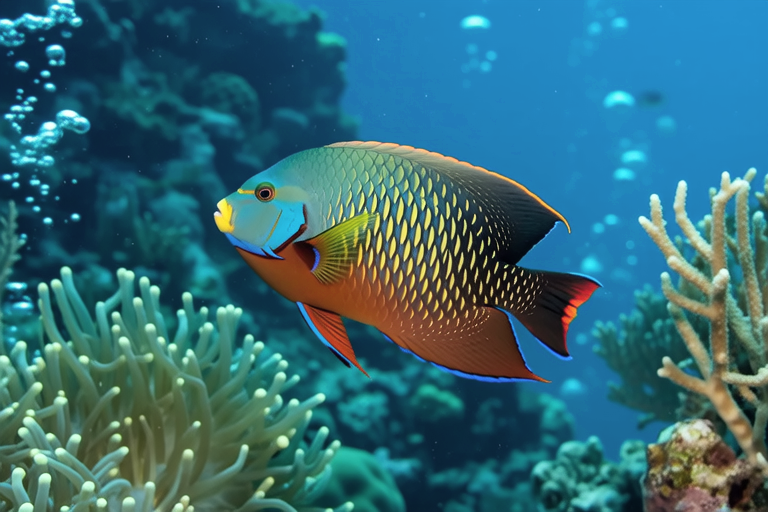
Uncovering the Vibrant World of Parrot Fish: Colors That Inspire
The ocean teems with life, and among its most captivating inhabitants are the parrot fish. These colorful marine creatures play a crucial role in maintaining the health of coral reefs, which are vital for countless species. This article delves into the world of parrot fish, examining their unique role in marine ecosystems, the diverse array of colors they display, and how these colors serve various purposes in nature. We will also explore some fascinating behaviors and recent scientific discoveries related to their coloration, concluding with the inspiration that parrot fish provide to human creativity.
The Unique Role of Parrot Fish in Marine Ecosystems
Parrot fish, belonging to the family Scaridae, are found primarily in tropical and subtropical waters around the world. They are known for their distinct beak-like mouths, which they use to scrape algae from coral reefs. This feeding behavior has significant ecological implications; it helps control the growth of algae, allowing corals to thrive. By keeping algae at bay, parrot fish indirectly support the survival of other reef-dwelling organisms, contributing to the overall biodiversity of coral reefs.
Moreover, parrot fish contribute to the formation of sand through their digestion process. After consuming algae-covered coral, they excrete fine particles that accumulate on beaches, helping to maintain coastal environments. Their presence is thus integral to both the biological and geological aspects of marine ecosystems.
Diverse Colors and Patterns Across Species
One of the most striking features of parrot fish is their vibrant coloration. Different species exhibit an impressive array of hues and patterns, ranging from electric blues and greens to fiery reds and oranges. For instance, the queen parrot fish (Scarus vetula) boasts a stunning palette of blue, green, and yellow, while the midnight parrot fish (S. taeniopterus) displays deep purples and blacks. The diversity in coloration serves multiple functions within the marine environment.
Camouflage is one of the primary reasons for the varied coloration in parrot fish. Many species can change their appearance to blend in with their surroundings, making them less visible to predators. This ability is particularly useful when they are resting or feeding in areas where they might otherwise stand out. Mating displays are another important function of coloration. During courtship, male parrot fish often display brighter and more vivid colors to attract females. This visual spectacle can involve intricate patterns and dynamic shifts in hue, creating a mesmerizing display that enhances their reproductive success.
Coloration also plays a role in territory marking. Dominant males may use their vibrant colors to assert their dominance over rivals and to establish boundaries within their chosen territories. This visual communication helps to minimize conflicts and maintain social order within parrot fish populations.
Interesting Facts About Parrot Fish Behavior and Habitat Preferences
Parrot fish exhibit several intriguing behaviors that reflect their complex social structures and interactions with their environment. For example, many species form schools during certain times of the day, especially when traveling between feeding grounds. Schooling provides protection against predators, as the sheer number of individuals makes it harder for a single fish to be targeted.
Parrot fish are also known for their nocturnal sleeping habits. At night, they secrete a mucus cocoon around themselves, which acts as a protective barrier against parasites and predators. This behavior highlights the adaptability of parrot fish to their environment and underscores the importance of maintaining healthy reef ecosystems.
In terms of habitat preferences, parrot fish generally inhabit shallow waters near coral reefs, where food sources are abundant. They are highly dependent on the health of these ecosystems, as declines in coral cover can lead to reduced food availability and increased vulnerability to predation. Conservation efforts aimed at protecting coral reefs are therefore essential for ensuring the long-term survival of parrot fish populations.
Recent Scientific Discoveries Related to Parrot Fish Coloration
Scientists have made several exciting discoveries regarding the mechanisms behind parrot fish coloration. One notable finding concerns the role of specialized cells called chromatophores, which are responsible for producing and regulating pigmentation. These cells allow parrot fish to change their appearance rapidly in response to environmental stimuli, providing a valuable tool for survival.
Another area of research focuses on the genetic basis of color variation among different parrot fish species. Studies have identified specific genes associated with pigment production and distribution, offering insights into the evolutionary processes that have shaped the diverse coloration seen today. Understanding these genetic factors could help researchers predict how parrot fish populations might respond to environmental changes, such as rising sea temperatures or increased pollution.
Additionally, recent studies have explored the potential benefits of parrot fish coloration beyond mere camouflage and display. Some researchers hypothesize that certain colors may serve as indicators of health or reproductive fitness, influencing mate choice and social interactions. Further investigation is needed to fully understand the extent of these effects and their implications for parrot fish ecology.
The Inspiration Parrot Fish Colors Bring to Human Creativity
The dazzling colors of parrot fish have long inspired artists, designers, and fashion enthusiasts alike. Their bold and varied palettes offer endless possibilities for creative expression, whether in painting, textile design, or interior decoration. Many artists draw inspiration from the natural world, and the vibrant hues of parrot fish provide a rich source of color inspiration.
In fashion, designers often incorporate elements of marine life into their collections, using shades and patterns reminiscent of parrot fish to create eye-catching garments. The trend towards sustainable and eco-friendly fashion has further fueled interest in marine-inspired designs, as consumers seek products that reflect a commitment to environmental stewardship.
Interior decorators also find inspiration in the colors of parrot fish, using them to add vibrancy and warmth to spaces. From accent walls painted in bold blues and greens to textiles adorned with intricate patterns, parrot fish colors can transform any room into a visually appealing oasis. Furthermore, the incorporation of marine themes in home decor can foster a greater appreciation for ocean conservation and inspire individuals to take action in protecting marine ecosystems.
Conclusion
Parrot fish are truly remarkable creatures, combining beauty with functionality in ways that highlight the interconnectedness of marine ecosystems. Their vibrant colors serve multiple purposes in nature, from camouflage and mating displays to territory marking and communication. By understanding the roles these colors play, we gain valuable insights into the lives of parrot fish and the broader ecological context in which they exist.
Moreover, the inspiration that parrot fish colors bring to human creativity underscores the profound impact that nature has on our culture and daily lives. As we continue to explore and appreciate the wonders of the ocean, let us also strive to protect and preserve the habitats that support such incredible biodiversity. Through education, advocacy, and sustainable practices, we can ensure that future generations will have the opportunity to marvel at the vibrant world of parrot fish and all the splendor it represents.
