Orange Tabby Cats: A Comprehensive Guide
Introduction:
Orange tabby cats are among the most beloved feline companions worldwide. Their striking orange coats, playful personalities, and friendly demeanor have made them a favorite choice for many pet owners. This article delves into the unique characteristics, behaviors, and histories of orange tabby cats, exploring their popularity, common misconceptions, and the scientific reasons behind their distinctive appearance. We’ll also discuss their cultural significance and portrayal in literature and media, provide tips for caring for these cats, and conclude with insights on why they are adored by so many.
Unique Characteristics and Behaviors
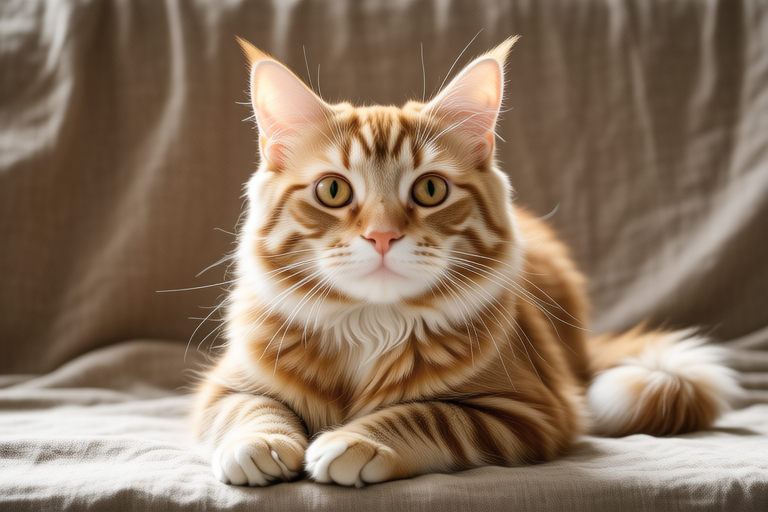
Orange tabby cats are distinguished by their vibrant orange fur, which is often adorned with black stripes or spots. The coat’s pattern is due to a gene known as agouti, which affects the distribution of pigment in the hair. This gene is responsible for the tabby’s distinctive markings, which can range from bold stripes to delicate spots.
In addition to their striking appearance, orange tabbies are known for their friendly and sociable nature. They are often described as outgoing, affectionate, and playful, making them excellent companions for families and individuals alike. Their curiosity and intelligence make them engaging pets, always ready to explore new environments and engage in interactive play.
One of the most endearing traits of orange tabbies is their tendency to form strong bonds with their human companions. Many owners report that their orange tabbies are particularly attentive and responsive, often seeking out physical contact and attention. This bond can be especially comforting for those looking for a companion that provides emotional support.
Popularity and Misconceptions
Orange tabby cats are incredibly popular, with many people drawn to their charismatic personalities and beautiful coats. Their widespread appeal has led to a surge in adoption rates, making them one of the most sought-after breeds in shelters and rescue organizations.
Despite their popularity, there are several misconceptions surrounding orange tabby cats. One common myth is that all orange tabbies are male. While it’s true that the majority of orange tabbies are male, this isn’t always the case. The gene responsible for orange coloring is linked to the X chromosome, meaning that female cats can also inherit this trait. However, because males have one X and one Y chromosome, while females have two X chromosomes, the likelihood of a male inheriting the orange gene is higher.
Another misconception is that orange tabbies are more aggressive than other cats. This couldn’t be further from the truth. In fact, orange tabbies are generally known for their gentle and affectionate nature. Their reputation as “gentle giants” stems from their large size and docile temperament.
Cultural Significance and Portrayal in Literature and Media
Orange tabby cats have played significant roles in various cultures throughout history. In ancient Egypt, cats were revered as sacred animals, and orange tabbies were often depicted in art and literature. These felines were believed to possess magical powers and were associated with the goddess Bastet, who was often portrayed as having the head of a lioness.
In modern times, orange tabbies continue to capture the hearts of readers and viewers through their appearances in literature and media. One famous example is Garfield, the iconic comic strip character created by Jim Davis. Garfield’s love for lasagna, disdain for Mondays, and humorous antics have made him a beloved figure for generations. Other notable orange tabby characters include Cheshire Cat from Lewis Carroll’s “Alice’s Adventures in Wonderland” and the unnamed orange tabby from “The Secret Life of Pets.”
These portrayals highlight the versatility and charm of orange tabby cats, showcasing their ability to adapt to various settings and situations. Whether they’re lounging in the sun, playing with toys, or simply enjoying a nap, orange tabbies bring joy and laughter to those around them.
Personal Stories and Interviews
To gain deeper insights into the lives of orange tabby cats, we spoke with several owners who share their experiences and anecdotes about their beloved pets.
“My orange tabby, Whiskers, is the light of my life,” said Sarah, a proud owner of an orange tabby. “He’s always up for a game of fetch and loves to cuddle on the couch. His playful nature and affectionate demeanor make him an absolute delight.”
Another owner, John, shared his experience with his orange tabby, Buddy. “Buddy is incredibly intelligent and always knows when I’m feeling down. He has a way of sensing my emotions and offering comfort when I need it most. His presence brings so much joy and peace to my home.”
These stories illustrate the unique bond between orange tabbies and their owners, highlighting the emotional support and companionship these cats provide. Their ability to sense and respond to human emotions makes them cherished members of many households.
Tips for Caring for an Orange Tabby
While orange tabbies are generally low-maintenance pets, there are some specific considerations to keep in mind when caring for these cats. Proper nutrition, grooming, and health care are essential for ensuring your orange tabby leads a healthy and happy life.
Dietary Needs:
Orange tabbies require a balanced diet rich in proteins, fats, and vitamins to maintain their energy levels and overall health. High-quality cat food formulated for their specific age, weight, and activity level is recommended. Consult with your veterinarian to determine the best diet for your orange tabby, taking into account any potential allergies or sensitivities.
Grooming:
Regular grooming is necessary to keep your orange tabby’s coat shiny and free of tangles. Brushing your cat at least once a week helps remove loose hair and prevent matting. Pay special attention to areas prone to matting, such as behind the ears and under the tail. Additionally, bathing your orange tabby occasionally can help keep their coat clean and healthy.
Health Considerations:
Orange tabbies are generally healthy cats, but they may be predisposed to certain health issues. Regular veterinary check-ups are essential for early detection and treatment of any potential problems. Some common health concerns include obesity, dental disease, and urinary tract infections. Providing your orange tabby with plenty of opportunities for exercise and maintaining good oral hygiene can help reduce the risk of these conditions.
Conclusion
Orange tabby cats are truly remarkable creatures, combining striking appearance with delightful personalities. Their popularity, cultural significance, and unique characteristics make them beloved pets for many. Whether you’re drawn to their vibrant coats, playful nature, or ability to provide emotional support, orange tabbies offer a wealth of joy and companionship. By understanding their specific needs and providing proper care, you can ensure your orange tabby leads a healthy and happy life. Ultimately, the adoration for these cats stems from their ability to bring warmth, laughter, and unconditional love into our lives.
