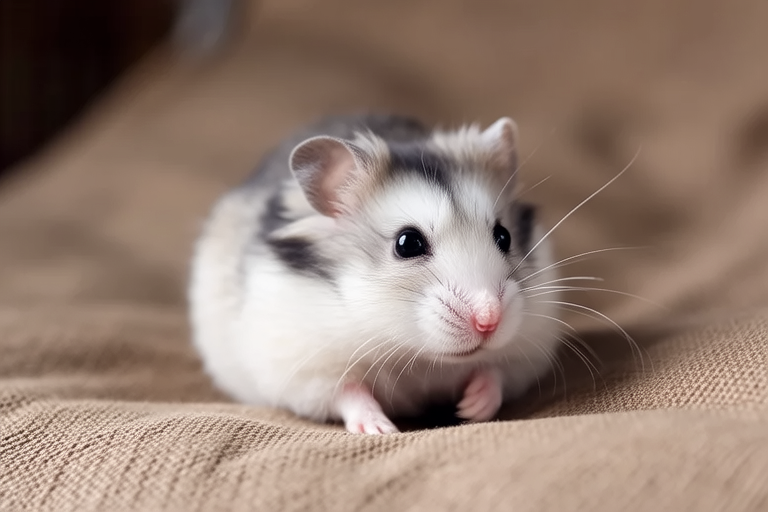
Unveiling the Tiniest: A Complete Guide to Roborovski Hamsters
Welcome to the world of Roborovski hamsters! These tiny creatures are the smallest domesticated hamster species, known for their charming personalities and unique traits. With origins tracing back to Central Asia, Roborovski hamsters have become increasingly popular among pet enthusiasts who appreciate their active and curious nature. This comprehensive guide will walk you through everything you need to know about caring for these delightful little companions.
Introduction to Roborovski Hamsters
The Roborovski hamster (Phodopus roborovskii) was named after the Russian explorer Lt. Vsevolod Roborovski, who discovered this species during his expedition in 1894. Their natural habitat spans the deserts of Mongolia, Kazakhstan, and northwestern China, where they adapted to harsh conditions by burrowing deep into the ground to escape extreme temperatures.
These miniature hamsters typically weigh between 20-30 grams and measure about 4-5 inches long from nose to tail. They possess a slender build, large ears, and short tails that help them conserve heat in their native environment. One of the most distinctive features of Roborovski hamsters is their sandy-colored fur, which blends seamlessly with their desert surroundings.
Care Instructions
Diet
A balanced diet is crucial for maintaining your Roborovski hamster’s health. Their diet should consist primarily of high-quality commercial hamster food, which provides essential nutrients like protein, fiber, and vitamins. Additionally, fresh vegetables such as carrots, cucumbers, and leafy greens can be offered in moderation. Avoid feeding them citrus fruits or sugary treats, as these can cause digestive issues.
Roborovski hamsters are omnivorous, meaning they eat both plant and animal matter. You can supplement their diet with occasional insects or insect-based foods to provide additional protein. Always ensure that their food is clean and free from pesticides or chemicals.
Housing
Providing adequate space is essential for Roborovski hamsters, as they are highly active and enjoy exploring. A wire cage with a minimum size of 24 inches x 18 inches x 12 inches is recommended, ensuring they have enough room to move around comfortably. The cage should include multiple levels or tunnels to encourage climbing and tunneling behavior.
Line the bottom of the cage with bedding material such as aspen shavings or recycled paper products. Avoid cedar or pine shavings, as they may irritate your hamster’s respiratory system. Place several nesting boxes within the cage to give them a cozy place to sleep and hide.
Exercise Needs
Roborovski hamsters require plenty of opportunities for physical activity to stay healthy and happy. In addition to providing a spacious cage, consider setting up an exercise wheel specifically designed for small rodents. Make sure the wheel has a solid surface to prevent injuries.
Supplement their exercise routine with playtime outside the cage. Supervised play sessions allow them to explore new environments and interact with their human companions. Be mindful of potential hazards, such as small openings or toxic plants, during these sessions.
Grooming
Fortunately, Roborovski hamsters are self-grooming animals, so regular baths are unnecessary. However, occasional brushing can help remove loose fur and keep their coat shiny. Use a soft-bristled brush and gentle strokes to avoid causing discomfort.
Inspect their teeth regularly, as overgrown incisors can lead to health problems. If you notice any issues, consult a veterinarian specializing in exotic pets. Trimming their nails may also be necessary if they become too long and start scratching themselves or others.
Common Health Issues and Signs of Illness
Despite being generally hardy, Roborovski hamsters can develop certain health issues. Common ailments include respiratory infections, dental problems, and gastrointestinal disorders. Recognizing early signs of illness is vital for prompt treatment.
- Respiratory Infections: Watch for symptoms like sneezing, nasal discharge, labored breathing, or lethargy. Keep their living area clean and well-ventilated to minimize the risk of infection.
- Dental Problems: Overgrown teeth can cause drooling, difficulty eating, or weight loss. Regular inspections and professional care are necessary to maintain proper dental hygiene.
- Gastrointestinal Disorders: Diarrhea, bloating, or loss of appetite may indicate digestive issues. Ensure a balanced diet and consult a vet if symptoms persist.
Handling and Training Tips
Roborovski hamsters are delicate creatures, so it’s important to handle them gently and with care. Start by offering treats from your hand to establish trust. Once they feel comfortable around you, you can attempt to pick them up by supporting their body with both hands.
Training Roborovski hamsters can be rewarding but requires patience and positive reinforcement. Teach simple commands using treats as rewards. For example, you might train them to come when called or navigate through an obstacle course. Consistency and repetition are key to successful training.
Companionship and Joy
Owning a Roborovski hamster brings immense joy and companionship. Their playful antics and curiosity make them fascinating pets to observe. However, it’s essential to remember the responsibilities involved in caring for these tiny creatures. Providing proper nutrition, housing, and medical attention ensures their well-being and longevity.
Roborovski hamsters thrive on interaction and socialization. Spend quality time with your pet each day to strengthen your bond. Their presence can bring warmth and happiness to your home, making them cherished members of the family.
