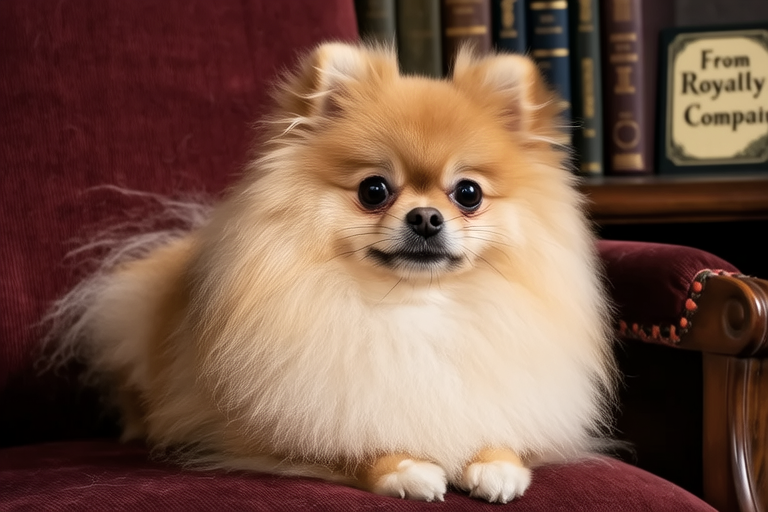
The Evolution of the Pomeranian: From Working Dog to Toy Breed
The Pomeranian, a breed known for its small size and luxurious fur, has a rich history that spans centuries. Originating from the region of Pomerania in Central Europe, this breed has undergone significant transformations over time, evolving from a larger working dog to the beloved toy breed recognized today. This article explores the journey of the Pomeranian, highlighting key historical figures who played pivotal roles in elevating the breed’s status. It also delves into the genetic changes and selective breeding practices that have shaped the modern Pomeranian, discussing their impact on the breed’s temperament and health.
Origins and Early History
The Pomeranian breed traces its roots back to the larger Spitz-type dogs found in the region of Pomerania, now part of northern Poland and western Germany. These dogs were originally bred for herding sheep and other livestock, as well as for guarding property. They were robust, intelligent, and highly adaptable, traits that made them ideal working dogs. The early Pomeranians were much larger than their modern counterparts, weighing around 30 pounds, and their coats were thicker and more utilitarian.
During the Middle Ages, Pomeranians began to gain recognition beyond their homeland. They were often seen accompanying traders and travelers across Europe. Their versatility and loyalty made them valuable companions, and they quickly became favored by nobility and royalty. By the 18th century, the breed had spread throughout Europe, with notable figures such as Queen Charlotte of Mecklenburg-Strelitz, wife of King George III of England, taking a particular interest in them.
The Role of Historical Figures
Queen Charlotte was instrumental in popularizing the Pomeranian in Britain. She owned several Pomeranians, and her fondness for the breed helped elevate their status among the British aristocracy. However, it was Queen Victoria who truly transformed the Pomeranian into a fashionable pet. In 1837, when she ascended the throne, she owned a Pomeranian named Marco, which she adored. Marco weighed about 12 pounds, significantly smaller than the typical Pomeranian of the time.
Queen Victoria’s influence extended beyond mere ownership. She actively participated in dog shows and exhibitions, showcasing her Pomeranians and promoting the breed. Her efforts led to increased interest in Pomeranians among the British upper class, and the breed became a symbol of elegance and refinement. This period marked the beginning of the Pomeranian’s transition from a working dog to a companion animal.
Selective Breeding and Genetic Changes
The transformation of the Pomeranian from a large working dog to a small toy breed is primarily attributed to selective breeding practices. Breeders sought to reduce the size of the dogs while maintaining their intelligence and loyalty. Over generations, smaller individuals were chosen for breeding, leading to a gradual decrease in size. This process, known as line breeding, involved selecting dogs with desired traits and breeding them together to produce offspring with similar characteristics.
The reduction in size was accompanied by changes in coat type and color. Early Pomeranians had thick, double coats that were primarily white or cream. As breeders focused on creating smaller dogs, they also emphasized a softer, fluffier coat. This resulted in the diverse array of colors and coat textures seen in modern Pomeranians, including orange, black, brown, and parti-colors. The breed standard for Pomeranians, established by the American Kennel Club (AKC) in 1911, reflects these changes, specifying a small, compact dog with a profuse, straight outer coat and a soft, dense undercoat.
From a genetic perspective, the reduction in size can be attributed to changes in genes controlling growth and development. One key gene involved in determining body size in dogs is the Insulin-like Growth Factor 1 (IGF1) gene. Studies have shown that certain mutations in this gene are associated with smaller body sizes in various dog breeds. While the specific genetic changes responsible for the size reduction in Pomeranians have not been fully elucidated, it is likely that similar mechanisms are at play.
Influence on Temperament and Health
The genetic changes and selective breeding practices that have shaped the modern Pomeranian have also influenced its temperament and health. Smaller dogs tend to be more energetic and playful, and Pomeranians are no exception. They are known for their lively, curious nature and their tendency to bark, making them excellent watchdogs despite their small size. However, this energy can sometimes lead to behavioral issues if not properly managed.
Health-wise, the breed faces several challenges. The reduction in size and the emphasis on a thick, fluffy coat have led to some health issues. Small dogs are generally more prone to joint problems, such as luxating patellas and hip dysplasia. Additionally, the Pomeranian’s compact build and short snout can make them susceptible to respiratory issues. Regular veterinary care and proper nutrition are essential to maintaining the health of these dogs.
Current Status and Transition to Family Pets
Today, the Pomeranian is one of the most popular toy breeds in the world. Its transition from royal companion to beloved family pet reflects broader societal changes. As more people moved away from traditional aristocratic lifestyles, the Pomeranian’s appeal as a small, affectionate companion grew. They are now commonly found in households across the globe, cherished for their playful demeanor and charming appearance.
The breed’s popularity has also been fueled by media representation. Pomeranians have appeared in numerous films, television shows, and advertisements, further cementing their status as a desirable pet. Celebrities and influencers often own Pomeranians, contributing to their ongoing popularity. Despite their small size, Pomeranians are surprisingly resilient and adaptable, making them suitable for a wide range of living environments.
However, the breed’s popularity has also raised concerns about ethical breeding practices. With demand comes the risk of backyard breeders and puppy mills producing poorly bred Pomeranians. Prospective owners are encouraged to adopt from reputable breeders or rescue organizations, ensuring that their new pet comes from a healthy background.
Conclusion
The Pomeranian’s journey from a larger working dog in Pomerania to the small, fluffy toy breed known today is a testament to the power of selective breeding and human influence. Key historical figures, particularly Queen Victoria, played crucial roles in elevating the breed’s status, transforming it from a functional working dog to a fashionable companion. Genetic changes and selective breeding practices have shaped the modern Pomeranian, influencing its size, coat, temperament, and health. Today, the Pomeranian stands as a beloved family pet, cherished for its charm and loyalty. As we continue to learn more about canine genetics, we can better understand and address the challenges faced by this delightful breed.
