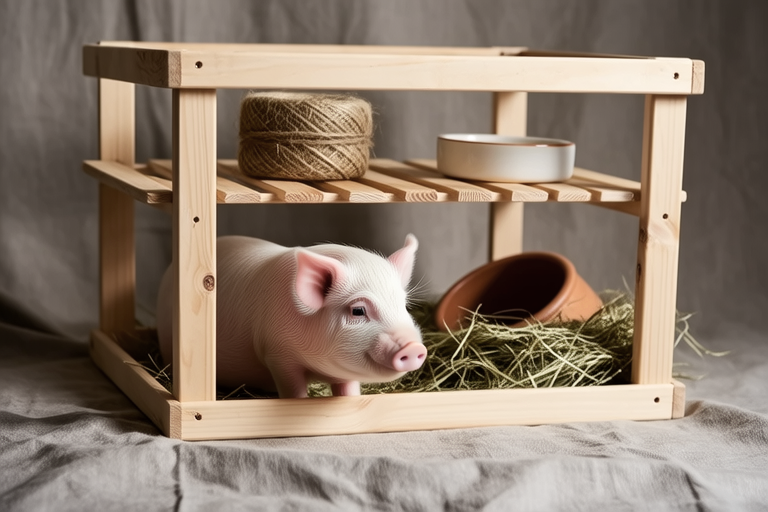
DIY Projects for Guinea Pig Enthusiasts: Build a Dream Cage!
Welcome to the world of DIY projects for guinea pig enthusiasts! Whether you’re a first-time owner or a seasoned guinea pig aficionado, creating your own cage can be an exciting and rewarding experience. In this article, we will guide you through building a dream cage for your guinea pig using common household materials. We’ll cover step-by-step instructions for constructing various types of cages, tips on ensuring safety and comfort, and essential features like proper ventilation and easy-to-clean surfaces. Additionally, we’ll discuss different cage design ideas that cater to various living spaces and budgets, as well as advice on selecting appropriate bedding, toys, and accessories.
Understanding Your Guinea Pig’s Needs
Before diving into the construction process, it’s crucial to understand the specific needs of your guinea pig. Guinea pigs are social animals that require ample space to move around, play, and explore. They also need a safe and comfortable environment that provides proper ventilation, easy cleaning, and hiding spots. By considering these factors, you can ensure that your DIY cage meets all of your guinea pig’s requirements.
Materials You Will Need
- Wooden planks or wire mesh (for the cage frame)
- Plastic bins or storage containers (for the base)
- Wire mesh or hardware cloth (for the top)
- Non-toxic paint or sealant (for the wooden frame)
- Measuring tape and pencil
- Screwdriver and screws
- Hinges and latches (for the door)
- Hamster wheel (for exercise)
- Toys and accessories (for enrichment)
Step-by-Step Instructions for Building the Cage
Step 1: Design and Measure
The first step in building your guinea pig’s cage is to design it. Consider the size of your living space and the amount of room you can dedicate to your guinea pig. A good rule of thumb is to provide at least 7.5 square feet of floor space for one guinea pig, with additional space for each additional guinea pig. Once you’ve determined the dimensions, measure and mark the areas where you’ll place the wooden planks or wire mesh for the cage frame.
Step 2: Construct the Frame
Using the measurements from Step 1, cut the wooden planks or wire mesh to size and assemble them into a rectangular frame. If using wood, ensure that all edges are smooth and free of splinters. Secure the pieces together using screws and a screwdriver. For added stability, reinforce the corners with corner brackets.
Step 3: Add the Base
Once the frame is assembled, place the plastic bins or storage containers inside to serve as the base. These should fit snugly within the frame but still allow for easy removal for cleaning. Ensure that the base is level and secure by checking for any wobbling or instability.
Step 4: Attach the Top
Attach the wire mesh or hardware cloth to the top of the frame using screws and hinges. This will create a secure and ventilated lid for the cage. Ensure that the mesh is sturdy and free of any sharp edges that could harm your guinea pig.
Step 5: Install the Door
Install a hinged door on one side of the cage for easy access. Use hinges and latches to secure the door, ensuring that it opens and closes smoothly. The door should be large enough to allow you to comfortably reach inside and handle your guinea pig.
Step 6: Add Accessories
Finally, add accessories such as a hamster wheel, toys, and bedding to make your guinea pig’s home more comfortable and enriching. Place the accessories inside the cage and arrange them in a way that encourages exploration and play.
Essential Features of a Safe and Comfortable Cage
A well-designed cage should include several key features to ensure the safety and comfort of your guinea pig. These features include:
- Proper Ventilation: Ensure that the cage has adequate ventilation to prevent the buildup of ammonia from urine and feces. Wire mesh or hardware cloth allows for airflow while keeping your guinea pig safe.
- Easy-to-Clean Surfaces: Choose materials that are easy to clean and disinfect. Plastic bins or storage containers are ideal for the base, as they can be easily removed and cleaned.
- Hiding Spots: Provide your guinea pig with hiding spots to feel secure and reduce stress. Cardboard boxes, tunnels, or small igloos can serve as effective hiding spots.
Different Cage Design Ideas
Depending on your living space and budget, there are several cage design ideas to consider. Here are a few options:
Compact Indoor Cage
If you have limited space, a compact indoor cage may be the best option. This type of cage is typically smaller and designed to fit easily into a corner or under a desk. It can be constructed using a smaller wooden frame and plastic bin for the base.
Large Outdoor Run
For those with outdoor space, a large outdoor run can provide ample room for your guinea pig to roam and exercise. This type of cage can be constructed using larger wooden planks and wire mesh for the sides and top. It can be placed in a shaded area of your yard to protect your guinea pig from direct sunlight and heat.
Budget-Friendly Cage
If you’re on a tight budget, a budget-friendly cage can be built using recycled materials such as old wooden crates or plastic storage bins. These materials can be repurposed to create a functional and cost-effective cage for your guinea pig.
Selecting Appropriate Bedding, Toys, and Accessories
In addition to the cage itself, it’s important to select appropriate bedding, toys, and accessories to enhance your guinea pig’s environment. Here are some suggestions:
- Bedding: Use soft, absorbent bedding such as fleece, paper-based bedding, or hay. Avoid cedar or pine shavings, as they can irritate your guinea pig’s respiratory system.
- Toys: Provide toys that encourage chewing and playing, such as cardboard tubes, wooden blocks, or chew toys made specifically for guinea pigs.
- Accessories: Include accessories such as food bowls, water bottles, and litter trays to keep your guinea pig’s cage organized and tidy.
Maintaining Your Guinea Pig’s Cage
Regular maintenance is key to keeping your guinea pig’s cage clean and healthy. Clean the cage and replace the bedding at least once a week, or more frequently if needed. Check for any signs of wear and tear on the cage and repair or replace any damaged parts. Regularly inspect the cage for cleanliness and safety, and address any issues promptly to ensure your guinea pig’s well-being.
Conclusion
Building a DIY cage for your guinea pig can be a fun and rewarding project that provides a safe and comfortable home for your furry friend. By following the step-by-step instructions and incorporating essential features, you can create a cage that meets all of your guinea pig’s needs. With careful planning and attention to detail, you can build a dream cage that your guinea pig will love. Happy building!
