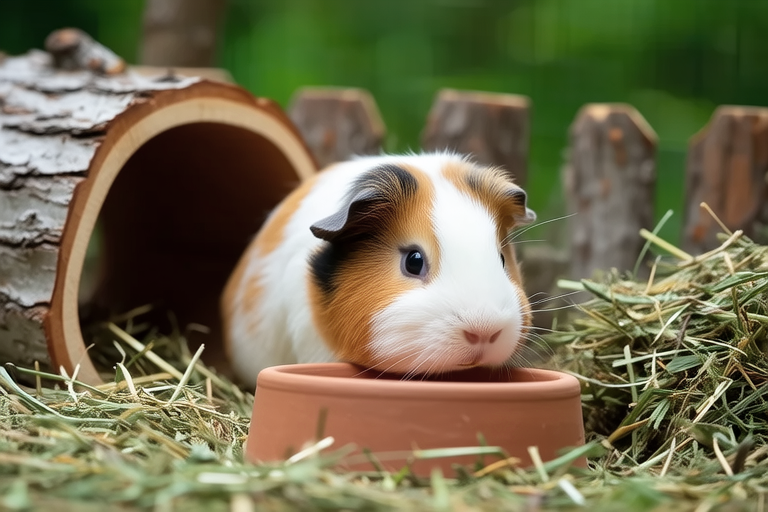
Setting Up the Perfect Habitat for Your Guinea Pig
Welcome to your comprehensive guide on setting up the perfect habitat for your guinea pig. Whether you’re a first-time or experienced owner, this guide will help you create a safe, comfortable, and enriching environment for your pet.
Choosing the Right Cage Size
The first and most crucial aspect of setting up your guinea pig’s habitat is selecting an appropriately sized cage. Guinea pigs are active creatures that need ample space to move around freely. A general rule of thumb is to provide at least 7.5 square feet of living space per guinea pig. If you have multiple guinea pigs, ensure the cage is large enough to accommodate all of them comfortably.
For a single guinea pig, a cage measuring 30 inches by 60 inches is ideal. If you have two guinea pigs, aim for a cage that is at least 48 inches by 24 inches. Larger cages offer more room for exercise, play, and social interaction, which are vital for their physical and mental well-being.
Selecting the Best Bedding Material
The bedding material you choose plays a significant role in your guinea pig’s comfort and health. Opt for bedding made from natural, dust-free materials such as:
- Paper-based bedding: Absorbent and easy to clean, paper-based bedding is a popular choice for many guinea pig owners.
- Cedar and pine shavings: While these are widely used, they can release aromatic oils that may irritate your guinea pig’s respiratory system. Avoid these types of bedding if possible.
- Recycled paper products: An eco-friendly option that provides excellent absorbency and comfort.
Avoid using fluffy or soft bedding materials like cotton or fleece, as they can cause health issues such as bumblefoot or hairballs. Aim for a layer of bedding approximately 2 to 4 inches deep to ensure proper cushioning and absorbency.
Providing Hiding Spots and Shelters
All guinea pigs need a place to feel secure and hide from time to time. Incorporating hiding spots into their habitat helps reduce stress and anxiety, promoting a healthier and happier pet. You can use:
- Commercially available shelters: These are specifically designed for small pets and come in various shapes and sizes.
- Cardboard boxes: Guinea pigs love exploring and chewing cardboard boxes, which also serves as an environmentally friendly alternative.
- Tunnels: These encourage exploration and provide additional hiding spots within the cage.
Ensure any materials used are safe and free from harmful chemicals or sharp edges. Rotate hiding spots periodically to keep your guinea pig’s environment interesting and stimulating.
Incorporating Toys and Enrichment
Toys and enrichment items are essential for keeping your guinea pig mentally and physically engaged. Some great options include:
- Golf balls: These provide entertainment and promote exercise.
- Chew toys: Helps maintain dental health and prevents boredom.
- Burrowing tunnels: Encourage exploration and provide additional hiding spots.
- Fortune wheel: A rotating toy that offers endless fun and exercise.
Rotate toys regularly to prevent monotony and keep your guinea pig interested. Be mindful of the size and safety of toys to avoid any potential hazards.
Proper Placement of Food and Water Bowls
Placing food and water bowls in the right location within the cage is crucial for maintaining hygiene and preventing contamination. Place water bottles on one side of the cage, ensuring the spout is easily accessible but not within reach of the guinea pig’s waste area. Position food dishes away from the water bottle and waste area to minimize the risk of contamination.
Choose water bottles with sipper tubes that are easy for your guinea pig to access. Regularly check the water level and ensure the sipper tube is clean and free from obstructions. Use heavy ceramic or stainless steel food dishes to prevent tipping and ensure durability.
Controlling Temperature and Ventilation
Guinea pigs thrive in temperatures between 65 and 75 degrees Fahrenheit (18 to 24 degrees Celsius). Extreme temperatures, either too hot or too cold, can lead to health problems. Ensure your guinea pig’s habitat is placed in a location where the temperature remains stable throughout the day.
Good ventilation is equally important to prevent the buildup of ammonia from urine and other waste products. Ensure the cage has adequate airflow without drafts. In cooler environments, consider providing a cozy blanket or towel for extra warmth. In warmer climates, use a fan or air conditioning unit to maintain a comfortable temperature.
Maintaining Cleanliness and Hygiene
Regular cleaning of your guinea pig’s habitat is vital to prevent illness and maintain a healthy living environment. Remove soiled bedding daily and replace it with fresh, clean material. Clean the entire cage thoroughly once a week using mild soap and warm water. Rinse thoroughly and allow it to dry completely before replacing the bedding.
Disinfect the cage periodically using a pet-safe disinfectant. Pay special attention to areas where your guinea pig spends most of its time, such as the feeding and sleeping areas. Avoid harsh chemicals or strong-smelling cleaners that could be harmful to your pet.
Conducting Regular Safety Checks
Safety checks are an integral part of maintaining a healthy habitat for your guinea pig. Regularly inspect the cage for any signs of wear and tear, such as rusted bars, loose wires, or damaged toys. Replace any unsafe or deteriorated items immediately.
Check the water bottle and sipper tube for leaks or blockages. Ensure the food dishes are securely attached and free from cracks or chips. Inspect the bedding for any mold or bacteria growth and replace it as needed. Regular safety checks help prevent accidents and ensure your guinea pig’s environment remains safe and enjoyable.
Final Thoughts
Creating the perfect habitat for your guinea pig requires attention to detail and commitment to their well-being. By following the steps outlined in this guide, you can provide a safe, comfortable, and enriching environment for your beloved pet. Remember to monitor your guinea pig’s behavior and health closely, making adjustments as necessary to ensure they remain happy and healthy.
