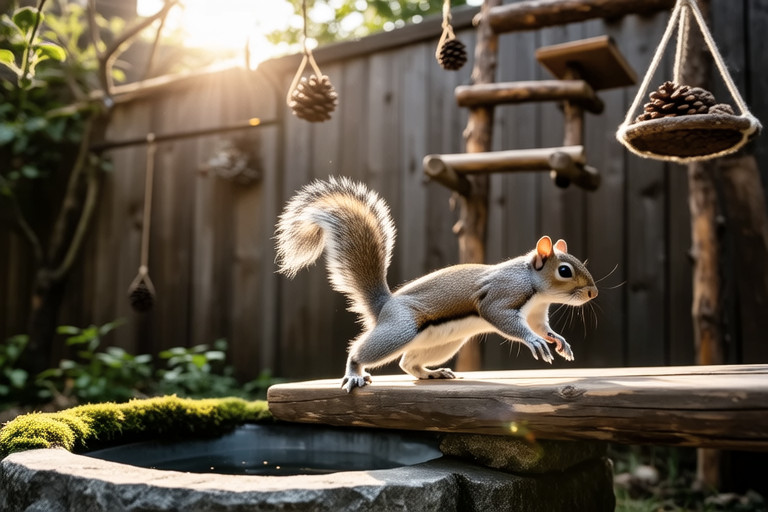
How to Build the Ultimate Backyard Habitat for Urban Squirrels
Welcome to your guide on how to create an ideal backyard habitat for urban squirrels. This comprehensive guide will walk you through the steps necessary to build a thriving, sustainable, and safe environment for these delightful creatures. From selecting appropriate food sources to creating safe shelters and integrating natural play areas, we’ll cover all aspects of building the ultimate backyard habitat for urban squirrels.
Selecting Appropriate Food Sources
Feeding squirrels can be both rewarding and enjoyable. However, it’s crucial to choose the right types of food that are healthy and beneficial for their diet. Avoid feeding them junk food or processed foods as these can harm their health. Instead, opt for nuts, seeds, fruits, and vegetables that are naturally part of their diet. Peanuts, walnuts, almonds, sunflower seeds, and pumpkin seeds are excellent choices. Fruits like apples, pears, and berries can also be provided but should be given sparingly to avoid attracting unwanted pests.
Consider installing a squirrel feeder specifically designed for these animals. Ensure it is placed in a location that is easily accessible but not too close to your home or other structures. This helps prevent potential conflicts between squirrels and other backyard animals. Additionally, placing feeders higher up off the ground can help protect the food from ground-dwelling predators and pests.
Creating Safe Shelter Options
Providing safe and comfortable shelter is essential for the well-being of urban squirrels. There are several options available, each with its own benefits and drawbacks. Nest boxes, also known as squirrel houses, offer protection from harsh weather conditions and predators. These boxes should be sturdy, weather-resistant, and have a small entrance hole to keep larger animals out. Position the nest box high enough off the ground, ideally between 6 to 10 feet, to ensure it remains secure and away from potential threats.
Alternatively, you can create natural shelters by planting dense shrubs and trees in your yard. Evergreen bushes such as junipers, spruces, and pines provide year-round cover and nesting sites. Deciduous trees like oak, maple, and birch offer both food and shelter throughout the seasons. When choosing plants, select those native to your area as they are more likely to thrive and provide suitable habitats for local wildlife.
Integrating Natural Play Areas
In addition to providing food and shelter, it’s important to create spaces where squirrels can play and exercise. Incorporating elements like logs, rocks, and branches into your backyard design encourages exploration and physical activity. Logs can serve as bridges between trees or platforms for resting. Rocks can be arranged to form climbing structures or hiding spots. Branches can be used to create tunnels or perches.
Water features such as birdbaths or shallow dishes filled with water are also valuable additions to any backyard habitat. Squirrels need fresh water for drinking and bathing, especially during hot summer months. Ensure the water source is shallow enough for easy access and regularly cleaned to prevent contamination.
Maintaining a Squirrel-Friendly Environment
To maintain a healthy and inviting environment for urban squirrels, regular maintenance is required. Keep feeding areas clean by removing uneaten food promptly to discourage pests and disease. Trim trees and shrubs regularly to promote growth and remove dead branches that could pose hazards. Monitor nesting sites for signs of damage or decay and repair as needed.
Encourage coexistence with other backyard animals by avoiding the use of pesticides and chemical fertilizers. These substances can be harmful to wildlife and disrupt ecosystems. Instead, opt for organic gardening practices and consider planting pollinator-friendly flowers and herbs that attract beneficial insects without posing risks to squirrels or other animals.
Safety is paramount when designing a backyard habitat for urban squirrels. Ensure all structures are stable and securely anchored to prevent accidents. Use materials that are non-toxic and resistant to weathering. Be mindful of potential hazards such as sharp edges, loose screws, or exposed wires. Regularly inspect your backyard habitat to identify and address any potential dangers before they become serious issues.
Finally, educate yourself about local regulations regarding wildlife conservation and habitat preservation. Many cities have specific guidelines or restrictions on feeding wild animals or altering natural landscapes. Familiarize yourself with these rules to ensure compliance while contributing positively to urban wildlife populations.
Conclusion
Building the ultimate backyard habitat for urban squirrels involves careful planning and consideration of various factors including food sources, shelter options, play areas, and overall maintenance. By following the tips outlined in this guide, you can create a thriving environment that supports local wildlife while promoting safety and coexistence with other backyard animals. Remember, every effort counts towards preserving biodiversity and enhancing our shared living spaces.
