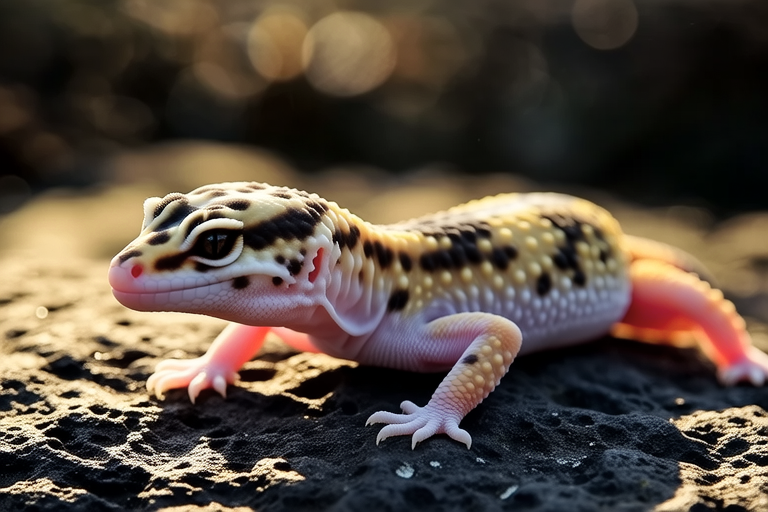
Top 10 Fascinating Facts About Leopard Geckos You Didn’t Know
Leopard geckos are one of the most popular pet reptiles for good reason. These charming creatures, native to the arid regions of Pakistan, India, and Afghanistan, have become beloved among reptile enthusiasts and newcomers alike. Their docile nature, vibrant colors, and relatively easy care requirements make them an ideal choice for first-time reptile owners. With their distinctive spots and gentle demeanor, leopard geckos offer an exciting world of discovery for anyone interested in learning more about these fascinating creatures. This article will explore ten lesser-known facts about leopard geckos that highlight their uniqueness and charm.
Fact 1: Nocturnal Behavior
Leopard geckos are primarily nocturnal, meaning they are most active during the night. Unlike many other lizards, which bask in the sun to regulate their body temperature, leopard geckos prefer cooler temperatures and are adapted to thrive in the desert’s cool nights. They spend their days hiding in burrows or under rocks, emerging at dusk to hunt for insects. This behavior is part of their survival strategy, helping them avoid daytime predators and conserve energy. Owners can cater to this preference by providing a dark, quiet environment during the day, allowing their gecko to rest undisturbed.
Fact 2: Tail Autotomy
One of the most intriguing features of leopard geckos is their ability to detach their tails when threatened. This process, known as autotomy, allows the gecko to escape from predators by leaving behind its tail, which continues to wiggle, distracting the attacker while the lizard makes its getaway. The tail will eventually grow back, although it may not look exactly the same as the original. While this adaptation is crucial for survival in the wild, it’s important for pet owners to handle their geckos carefully to prevent accidental tail loss. Providing a secure enclosure with minimal hazards can help reduce stress and prevent such incidents.
Fact 3: Viviparous Reproduction
Unlike many reptiles that lay eggs, leopard geckos are viviparous, meaning they give birth to live young. This reproductive method has several advantages, including protecting the developing embryos from environmental threats. Female leopard geckos can store sperm for up to three years, allowing them to reproduce even if a male is unavailable. A single clutch can consist of anywhere between one and eight babies, each approximately two inches long at birth. This unique reproductive strategy contributes to the species’ adaptability and success in various environments.
Fact 4: Temperature Sensitivity
Leopard geckos are ectothermic, relying on external sources to regulate their body temperature. This makes temperature control crucial for their health and well-being. In captivity, owners must provide a temperature gradient within the enclosure, typically ranging from 78°F (26°C) on the cooler side to 90°F (32°C) on the warmer side. The basking area should reach around 95°F (35°C). Maintaining the correct temperature is vital for digestion, metabolism, and overall health. Incorrect temperatures can lead to digestive issues or respiratory infections, so investing in a reliable thermostat and thermometer is essential for responsible ownership.
Fact 5: Diet Diversity
In the wild, leopard geckos are opportunistic feeders, consuming a wide variety of insects. Their diet primarily consists of crickets, mealworms, and waxworms, but they will also eat spiders, scorpions, and other small prey. In captivity, it’s important to offer a diverse diet to ensure proper nutrition. Calcium and vitamin D3 supplements are necessary to prevent metabolic bone disease, a common issue in captive reptiles. Additionally, gut-loading feeder insects—feeding them nutritious food before offering them to the gecko—can enhance the nutritional value of the prey items. Proper feeding practices contribute to the longevity and vitality of these beloved pets.
Fact 6: Color Variations
Leopard geckos exhibit an impressive range of color and pattern variations, making them highly sought after in the exotic pet trade. Breeders have developed numerous morphs, each with distinct characteristics. Some popular morphs include albinos, which lack pigmentation and have red eyes; tangerines, characterized by bright orange hues; and snows, which are nearly white. These morphs result from selective breeding and genetic mutations, showcasing the incredible diversity within the species. The variety of colors and patterns available ensures there’s a leopard gecko to suit every taste.
Fact 7: Social Structure
Leopard geckos are generally solitary animals, preferring to live alone except during mating periods. While they can coexist peacefully in the same enclosure, introducing new geckos can sometimes lead to aggression. It’s best to house only one adult per tank unless breeding, and even then, careful monitoring is required. Young geckos can be housed together temporarily until they reach adulthood, but it’s essential to provide ample space and hiding spots to minimize territorial disputes. Understanding their social needs helps create a harmonious living environment for these reptiles.
Fact 8: Shedding Process
Leopard geckos, like all reptiles, shed their skin periodically throughout their lives. Juvenile geckos shed more frequently than adults, typically every four to six weeks. During shedding, it’s important to maintain humidity levels in the enclosure to facilitate the process. A moist hide box filled with damp moss or coconut fiber can aid in shedding. Owners should check their gecko after shedding to ensure all skin has been removed, particularly around the toes and tail. Retained shed can cause constriction and potential injury if not addressed promptly.
Fact 9: Adaptation to Arid Environments
Leopard geckos have evolved remarkable adaptations to survive in the harsh, arid environments of their natural habitats. One such adaptation is their ability to absorb water through their skin, reducing the need for frequent drinking. They also have specialized kidneys that produce highly concentrated urine, minimizing water loss. In captivity, providing a shallow water dish is still recommended, but it’s important to monitor for any signs of dehydration. Regular misting or the use of humid hides can further support hydration. Understanding these adaptations helps owners provide the best care possible for their geckos.
Fact 10: Longevity
Leopard geckos have an impressive lifespan, often reaching 15 to 20 years in captivity. This longevity makes them a long-term commitment for pet owners, but it also means they can provide companionship for many years. Proper care, including appropriate housing, diet, and veterinary attention, plays a significant role in extending their lifespan. By investing time and effort into creating a healthy environment, owners can enjoy the company of their leopard geckos for decades. The bond formed over time can be incredibly rewarding, making these reptiles cherished pets.
Summary
Leopard geckos are truly unique and captivating creatures, offering a wealth of interesting behaviors and biological traits. From their nocturnal habits to their viviparous reproduction and striking color variations, these geckos have much to offer both novice and experienced reptile enthusiasts. Their relatively low maintenance requirements and docile nature make them an excellent choice for first-time reptile owners. By understanding their specific needs and providing the right care, owners can ensure their leopard geckos lead happy, healthy lives. Whether you’re drawn to their vibrant appearance or intrigued by their fascinating biology, leopard geckos are sure to captivate and delight their keepers for years to come.
