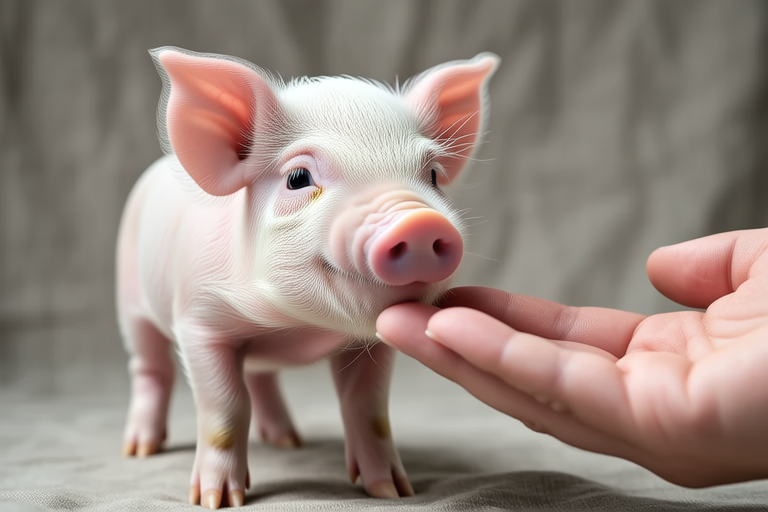
Life with a Mini Pig: Facts You Need to Know Before Adopting
Adopting a mini pig can be an exciting decision, but it’s important to understand the commitment involved. These intelligent and affectionate animals have unique needs that require careful consideration. This guide will provide you with essential information to help you decide if a mini pig is the right pet for your family.
Mini Pig Characteristics
Mini pigs, also known as teacup or micro pigs, are endearing creatures with distinct physical traits. They typically weigh between 30 to 70 pounds, though some may grow larger. Their snouts are highly sensitive, and their eyes are expressive, often reflecting their mood. Mini pigs come in various colors, from black to white, with patterns like spots or stripes.
One of the most striking features of mini pigs is their intelligence. They are quick learners and can be trained to perform tricks or use a litter box. This intelligence makes them excellent companions, but it also means they need mental stimulation to stay happy and healthy.
Alice, a mini pig owner from Chicago, shares her experience, “Mini pigs are incredibly smart. My pig, Charlie, learned to open his food container within weeks of bringing him home.”
Dietary Needs
Proper nutrition is crucial for the well-being of your mini pig. A balanced diet includes high-quality pig pellets, fresh vegetables, and limited fruits. Avoid feeding them too many treats or human foods, as these can lead to obesity and health issues. Consult with a veterinarian to determine the appropriate portion sizes based on your pig’s age, weight, and activity level.
Mini pigs are prone to digestive problems, so it’s important to introduce new foods gradually. Fresh water should always be available. Alice notes, “Charlie loves his veggies, especially carrots and cucumbers. I’ve found that a consistent feeding schedule helps prevent digestive upset.”
Space Requirements
Mini pigs need ample space to move around and exercise. While they don’t require as much room as full-sized pigs, they still need a large enclosure or outdoor area. Indoor living spaces should be spacious enough to accommodate their movement and provide comfort. Outdoor areas should be secure, with fencing to prevent escape. Mini pigs are curious and can dig, so ensure any outdoor space is properly maintained.
For those with limited outdoor space, consider creating an indoor play area with toys and tunnels to keep your pig entertained. Alice advises, “Charlie enjoys playing in his indoor pen when we’re not home. It has a variety of toys to keep him occupied.”
Grooming
Grooming a mini pig is relatively simple. Regular brushing helps remove loose hair and dirt, keeping their coat healthy. Bathing should be done sparingly, as frequent bathing can strip natural oils from their skin. Trim their hooves every few months, or as needed, to avoid overgrowth.
Mini pigs are clean animals and usually prefer to keep themselves tidy. Alice mentions, “Charlie loves to roll in the mud, which helps keep his skin moisturized and cool during hot weather.”
Health Concerns
Regular veterinary check-ups are vital for maintaining your mini pig’s health. Common health issues include dental problems, heart disease, and arthritis. Obesity is another significant concern, so monitor your pig’s weight and adjust their diet accordingly. Vaccinations are necessary to protect against diseases such as leptospirosis and swine influenza.
Alice recalls, “Charlie had a bout of arthritis last year, but with regular vet visits and supplements, he’s back to his active self.”
Training Tips
Training a mini pig requires patience and consistency. Positive reinforcement techniques, such as rewarding good behavior with treats or praise, work best. Teach basic commands like ‘sit,’ ‘stay,’ and ‘come’ to establish a bond and ensure safety. Crate training can also be beneficial, especially for potty training.
Mini pigs are social animals and enjoy interacting with their owners. Alice shares, “Training Charlie was a fun process. We used small pieces of fruit as rewards, and he caught on quickly.”
Social Behavior
Mini pigs are naturally social animals and thrive in the company of others. They form strong bonds with their human families and can become attached to specific individuals. Introducing a second pig can provide companionship, but it’s important to ensure both pigs get enough attention and care.
Mini pigs are generally gentle and docile, but they can exhibit territorial behavior. Early socialization with other pets and people is essential to ensure a well-adjusted pig. Alice reflects, “Charlie loves meeting new people and other animals. He’s always been very friendly.”
Common Misconceptions
There are several myths about mini pigs that potential adopters should be aware of. One common misconception is that mini pigs remain small throughout their lives. Another is that they require less care than dogs or cats. In reality, mini pigs can grow to be quite large and require just as much attention and care as other pets.
Another myth is that mini pigs are low-maintenance pets. While they may seem easy to care for at first glance, they have specific dietary, space, and social needs that must be met. Alice concludes, “Mini pigs are wonderful pets, but they’re not for everyone. They require a lot of love, attention, and care.”
In conclusion, adopting a mini pig is a significant commitment that requires thorough research and preparation. By understanding their characteristics, dietary needs, space requirements, grooming, health concerns, training tips, social behavior, and common misconceptions, you can ensure a happy and healthy life for both you and your mini pig.
