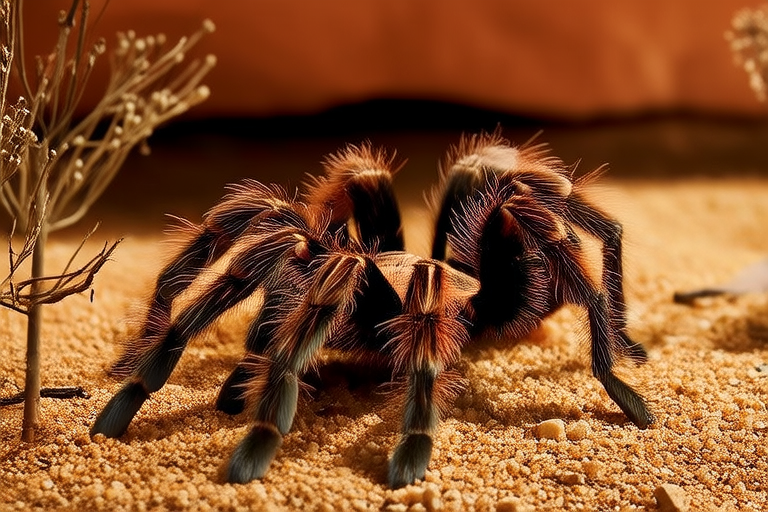
Unraveling the Mysteries of Tarantula Care: A Complete Guide for Beginners
Welcome to the world of tarantulas! These fascinating creatures have captivated the hearts of many hobbyists and pet owners alike. Often misunderstood due to their intimidating appearance, tarantulas can be delightful companions if cared for properly. This guide will help you understand these amazing arachnids better, dispel common myths, and provide you with essential tips for keeping your tarantula happy and healthy.
Dispelling Common Myths About Tarantulas
Tarantulas are among the most feared spiders in the world, but they are generally docile and unlikely to bite humans unless provoked. They are also not venomous enough to pose significant danger to people. Another misconception is that tarantulas are aggressive predators. In reality, they are opportunistic feeders that prefer to ambush their prey rather than actively hunt it down.
Essential Tarantula Care Tips
Habitat Setup
The first step in caring for your tarantula is setting up its enclosure correctly. The enclosure should be at least three times the length of the tarantula’s leg span to ensure adequate space for movement. For example, a 4-inch tarantula would require an enclosure of at least 12 inches in length.
- Substrate: Use a substrate that retains moisture well, such as coconut fiber or peat moss. Avoid materials like wood chips or sand, which can irritate the tarantula’s delicate feet.
- Hiding Spots: Provide multiple hiding spots made from cork bark, clay pots, or other safe materials. Tarantulas need a dark, secure place to feel comfortable and safe.
- Temperature and Humidity: Maintain a temperature range between 75°F and 85°F (24°C and 29°C) and a humidity level of 60-80%. Use a hygrometer and thermometer to monitor these conditions regularly.
Diet and Feeding Frequency
Feeding your tarantula appropriately is crucial for its growth and health. Young tarantulas typically eat once every week, while adults may only require food every two weeks. Offer crickets, mealworms, or dubia roaches as suitable prey items. Gut-load the insects with nutritious food before feeding them to your tarantula to ensure optimal nutrition.
Handling Precautions
While tarantulas are generally calm, handling them should be done with caution. Always support the tarantula’s body and legs gently when picking it up. Never grab the spider by its abdomen or legs, as this can cause injury. Some tarantulas, especially young ones, may release urticating hairs from their abdomens if they feel threatened. These hairs can cause irritation to human skin and eyes, so wear protective gear when handling.
Health Issues, Signs of Illness, and Veterinary Care
Regularly observing your tarantula can help you detect potential health problems early. Look out for signs such as lethargy, loss of appetite, unusual webbing, or changes in coloration. If you notice any concerning symptoms, consult a veterinarian specializing in exotic animals for proper diagnosis and treatment.
Sourcing a Healthy Tarantula
Choosing the right tarantula is important for both you and your new pet. Research different species to find one that suits your lifestyle and experience level. When purchasing, look for a reputable breeder or pet store with positive reviews. Ask questions about the tarantula’s origin, age, and feeding history. A healthy tarantula will be active, well-fed, and free from visible injuries or parasites.
Integrating Your Tarantula Into Your Home Environment
Once you’ve brought your tarantula home, allow it time to adjust to its new surroundings. Keep the enclosure away from direct sunlight and drafts to maintain stable environmental conditions. Monitor the tarantula closely during this period to ensure it adapts well to its new habitat.
In conclusion, owning a tarantula can be a rewarding experience for those willing to learn and commit to proper care. By understanding their needs and providing a suitable environment, you can enjoy the company of these fascinating creatures for years to come.
