Caring for a Norwegian Lhasa Apso Mix: A Comprehensive Guide
Welcome to your ultimate guide on how to care for a Norwegian Lhasa Apso mix. This hybrid breed combines the traits of the Norwegian Elkhound and the Lhasa Apso, resulting in a dog that is unique in its temperament, physical attributes, and care requirements. This guide will cover all the essential aspects of owning a Norwegian Lhasa Apso mix, from understanding their unique characteristics to ensuring they lead a healthy and happy life.
Understanding Your Norwegian Lhasa Apso Mix
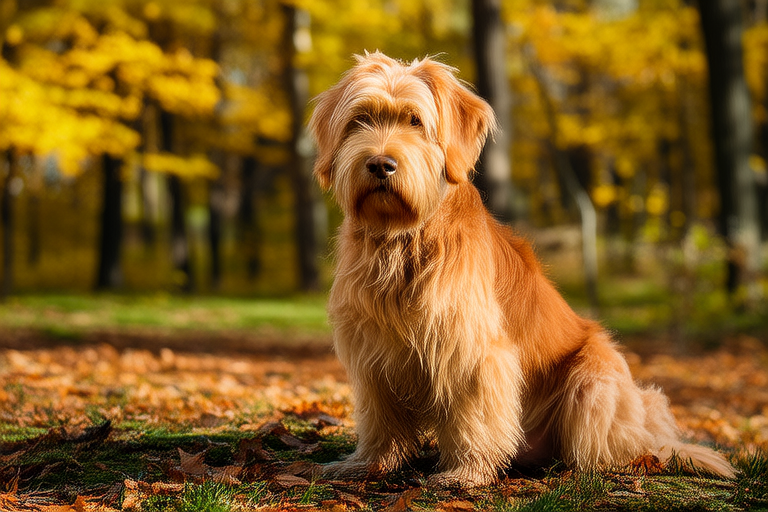
The Norwegian Lhasa Apso mix is a relatively new breed, known for its distinctive appearance and personality. They inherit the sturdy build and resilience of the Norwegian Elkhound and the regal demeanor and luxurious coat of the Lhasa Apso. These dogs are typically medium-sized, with a dense, double coat that can come in various colors, including black, white, and brown. Their ears are often long and feathered, adding to their charming appearance.
In terms of temperament, Norwegian Lhasa Apso mixes are known for being affectionate and loyal to their families. However, they can be wary of strangers and may require early socialization to ensure they are comfortable around different people and animals. They have a strong sense of independence, which can sometimes make them stubborn during training sessions. Despite this, they are intelligent and eager to please, making them trainable with the right approach.
Dietary Needs
Proper nutrition is crucial for maintaining the health and vitality of your Norwegian Lhasa Apso mix. Their diet should consist of high-quality dog food that provides balanced nutrition. Look for foods that are rich in proteins, fats, carbohydrates, vitamins, and minerals. Always choose a diet that is appropriate for their age, weight, and activity level. Puppies, adult dogs, and senior dogs have different nutritional needs, so it’s important to adjust their diet accordingly.
Avoid feeding them table scraps or human food, as these can upset their digestive system and lead to obesity. Instead, opt for dog-specific treats and snacks. Fresh water should always be available to keep them hydrated. If you’re unsure about what to feed your dog, consult with a veterinarian who can provide personalized advice based on your dog’s specific needs.
Exercise Requirements
Norwegian Lhasa Apso mixes are active and enjoy regular exercise. They benefit from daily walks and playtime to keep them physically fit and mentally stimulated. Aim for at least 30 minutes of moderate exercise each day. This could include walking, jogging, or playing fetch in a safe, enclosed area. Regular exercise helps prevent behavioral problems and ensures they maintain a healthy weight.
While they enjoy outdoor activities, it’s important to protect them from extreme weather conditions. Keep them indoors during very hot or cold days to avoid overheating or frostbite. Additionally, provide them with opportunities to engage in indoor activities, such as puzzle toys or interactive games, to keep their minds sharp.
Grooming Tips
The Norwegian Lhasa Apso mix has a thick, double coat that requires regular grooming to prevent matting and tangling. Brush their coat at least twice a week to remove loose hair and distribute natural oils. Use a slicker brush and a comb to ensure thorough cleaning. Pay special attention to areas where tangles are more likely to form, such as behind the ears and under the legs.
Bathing your dog should be done every few months, depending on their activity level and the environment they live in. Use a gentle, dog-friendly shampoo and conditioner to keep their skin and coat healthy. After bathing, dry them thoroughly to prevent skin infections. Regular nail trimming and ear cleaning are also important to maintain their overall hygiene.
Common Health Issues
Like any other breed, Norwegian Lhasa Apso mixes can be prone to certain health issues. Some of the most common conditions include hip dysplasia, patellar luxation, and eye problems such as cataracts and progressive retinal atrophy. Regular veterinary check-ups are essential to monitor their health and catch any potential issues early. Genetic testing can also help identify any hereditary conditions that might affect your dog.
Early detection and treatment of health issues can significantly improve your dog’s quality of life. It’s important to be proactive in managing their health by providing a nutritious diet, regular exercise, and proper grooming. Additionally, consider investing in pet insurance to cover unexpected medical expenses.
Training Methods
Training a Norwegian Lhasa Apso mix requires patience, consistency, and positive reinforcement. Start training your puppy at an early age to establish good habits and behaviors. Use treats, praise, and affection to reward desired actions. Avoid harsh punishment, as this can lead to fear and aggression.
Basic commands such as sit, stay, come, and heel are essential for their safety and well-being. Socialization is equally important, as it helps them become comfortable around different people, animals, and environments. Expose them to various stimuli gradually and positively reinforce calm and friendly behavior. Training should be fun and engaging for both you and your dog, fostering a strong bond between you.
Socializing Your Norwegian Lhasa Apso Mix
Socializing your Norwegian Lhasa Apso mix is vital for their development into a well-rounded and confident dog. Early socialization can help prevent behavioral problems and ensure they are comfortable in different situations. Introduce them to various people, animals, and environments when they are young to promote positive experiences.
Consider enrolling them in obedience classes or puppy kindergarten to provide structured socialization opportunities. These classes can also help reinforce basic training commands and teach them how to interact appropriately with other dogs. Additionally, spend time with your dog in public spaces, parks, and pet-friendly stores to expose them to different sights, sounds, and smells.
Conclusion
Owning a Norwegian Lhasa Apso mix is a rewarding experience that comes with responsibilities. By understanding their unique characteristics, providing proper nutrition, ensuring regular exercise, maintaining good grooming practices, addressing common health issues, employing effective training methods, and socializing them appropriately, you can ensure that your Norwegian Lhasa Apso mix leads a happy and healthy life. Remember, every dog is an individual, so tailor your care approach to suit their specific needs and preferences.
