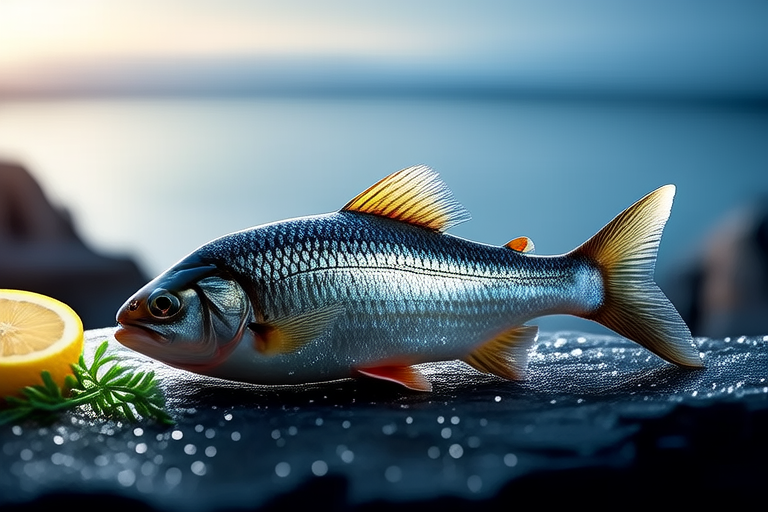
The Ultimate Guide to Norwegian Fish Care: Tips and Tricks
Welcome to the comprehensive guide on Norwegian fish care. Whether you’re a seasoned aquarist or just starting out, this article will provide you with valuable insights into maintaining a healthy and thriving aquarium for Norwegian fish species.
Optimal Tank Setup for Norwegian Fish Species
Creating the perfect environment for your Norwegian fish is crucial. Start by selecting a tank that matches the size requirements of your chosen species. For example, Arctic char require at least 20 gallons per fish, while smaller species like the common minnow can thrive in a 10-gallon tank.
Adequate filtration is essential to maintain water quality. Choose a filter that provides both mechanical and biological filtration. This helps remove waste and harmful chemicals from the water, ensuring a clean and healthy environment for your fish.
Substrate choice is also important. Gravel or sand can be used, but avoid sharp-edged substrates that may harm your fish. Plants and decorations can enhance the aesthetic appeal of your tank while providing hiding spots and stimulation for your fish.
Proper lighting is necessary for plant growth and simulating natural day-night cycles. Use LED lights for energy efficiency and adjust the duration to mimic daylight hours.
Water Quality Maintenance
Maintaining optimal water conditions is vital for the health of your Norwegian fish. Regularly test the water parameters such as pH, ammonia, nitrite, and nitrate levels. The ideal pH range for most Norwegian fish species is between 6.5 and 7.5.
Perform partial water changes weekly to remove accumulated toxins and refresh the water. A 10-20% change is usually sufficient. Ensure the replacement water is treated with a dechlorinator to neutralize harmful chlorine and chloramines.
Aeration is crucial for oxygenating the water. Use air stones or powerheads to create gentle water movement, which aids in gas exchange at the water’s surface.
Monitor temperature carefully. Most Norwegian fish species prefer cool waters, typically ranging from 40°F to 68°F. Invest in a reliable heater and thermometer to maintain consistent temperatures.
Suitable Diet Plans
Feeding your Norwegian fish a balanced diet is key to their well-being. Offer a variety of foods to ensure they receive all necessary nutrients. High-quality flake food, pellets, and frozen or live foods are excellent choices.
Incorporate a mix of protein sources like bloodworms, brine shrimp, and daphnia. These foods are rich in essential amino acids and fatty acids, promoting vibrant colors and overall health. Vegetables such as blanched spinach, peas, and zucchini can also be beneficial.
Feed your fish small amounts several times a day rather than one large meal. This mimics their natural feeding behavior and prevents overfeeding, which can lead to water quality issues.
Be mindful of portion control. Overfeeding can cause obesity and increase waste production, leading to poor water quality. Observe your fish’s eating habits and adjust feedings accordingly.
Common Health Issues and Prevention Methods
Despite your best efforts, Norwegian fish can still fall ill. Recognizing common health issues and implementing preventive measures can help keep your aquarium healthy.
Ich (white spot disease) is one of the most prevalent diseases. It appears as tiny white spots on the fish’s body and fins. Maintain good water quality and quarantine new fish for at least two weeks before introducing them to the main tank.
Fungal infections often manifest as cotton-like growths on the fish’s body. These infections are more likely to occur in stressed or injured fish. Keep the tank clean and avoid overcrowding to prevent stress.
Bacterial infections can cause fin rot, ulcers, and lethargy. Strengthen your fish’s immune system by providing a nutritious diet and maintaining excellent water quality. Quarantine any sick fish immediately to prevent the spread of infection.
Regular observation and prompt action can significantly reduce the risk of disease outbreaks. Clean the tank regularly, monitor water parameters closely, and address any signs of illness promptly.
Tips for Creating a Stimulating Environment
Providing mental and physical stimulation is crucial for the well-being of your Norwegian fish. Incorporate various elements into your tank to encourage natural behaviors and exploration.
Introduce hiding spots such as caves, tunnels, and dense vegetation. These areas offer refuge and reduce stress, especially during feeding times or when the tank is busy.
Consider adding interactive toys like floating logs or sinking treats. These items can stimulate curiosity and provide entertainment. Rotate toys periodically to keep the environment interesting.
Encourage natural swimming patterns by arranging plants and decorations strategically. Create open spaces for swimming and incorporate obstacles for navigation. This promotes exercise and mental engagement.
Establish a routine for feeding and tank maintenance. Predictable schedules can reduce stress and promote a calm environment for your fish.
Conclusion
Caring for Norwegian fish requires attention to detail and commitment to providing a suitable habitat. By following the guidelines outlined in this guide, you can create a thriving environment for your fish. Remember to research specific needs of each species and adapt your care routine accordingly.
Whether you’re setting up your first tank or looking to improve an existing one, these tips and tricks will help you achieve success in Norwegian fish care. Enjoy the rewarding experience of watching your fish thrive in their aquatic home.
