Life with a Dutch Dwarf Rabbit: Tips and Tricks for Happy Living
Welcome to the delightful world of Dutch Dwarf Rabbits! These small, charming creatures are not just pets; they’re companions that can bring endless joy into your home. With their distinctive white blaze and compact size, Dutch Dwarfs are one of the most popular breeds among rabbit enthusiasts. Their unique blend of cuteness and intelligence makes them ideal for families and individuals alike. This article will guide you through the essentials of caring for a Dutch Dwarf Rabbit, ensuring a happy and healthy life for both you and your furry friend.
The Unique Characteristics of Dutch Dwarf Rabbits
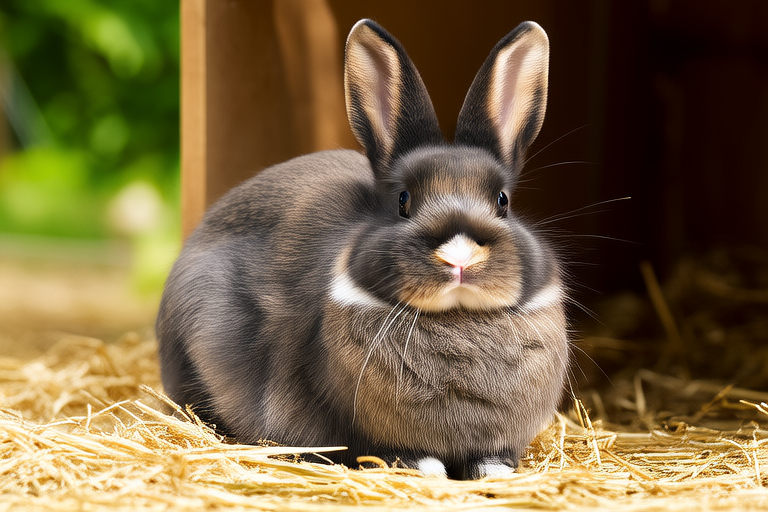
Dutch Dwarf Rabbits are known for their striking appearance, featuring a white blaze that runs from their forehead to nose, contrasting with their colored ears, back, and sides. They typically weigh between 1.8 to 2.3 kg (4 to 5 pounds), making them one of the smallest rabbit breeds. Their petite size means they require less space and fewer resources than larger breeds, yet they pack a lot of personality. Dutch Dwarfs are intelligent, curious, and often quite playful, which can make them delightful companions.
Dietary Needs
A balanced diet is crucial for the health of your Dutch Dwarf Rabbit. The primary component of their diet should be hay, which helps maintain dental health and aids digestion. Fresh grass hay, such as timothy or orchard grass, is recommended. Additionally, provide a limited amount of pellets designed specifically for dwarf rabbits, as overfeeding can lead to obesity. Vegetables like carrots, broccoli, and spinach can be offered in moderation, but avoid feeding too many fruits due to their high sugar content. Always ensure access to clean, fresh water, either through a sipper bottle or a shallow dish.
Housing Your Dutch Dwarf Rabbit
Proper housing is vital for your rabbit’s comfort and well-being. A spacious cage or enclosure is necessary to allow for movement and play. The cage should be at least 36 inches long, 24 inches wide, and 24 inches tall, though bigger is always better. Line the bottom with absorbent bedding material like paper-based products or recycled newspaper. Avoid cedar or pine shavings, as they can cause respiratory problems. Ensure the cage has adequate ventilation and is placed in a quiet area away from direct sunlight and drafts. Providing hiding spots and toys within the enclosure can also enrich your rabbit’s environment.
Exercise and Playtime
Dutch Dwarf Rabbits need daily exercise to stay healthy and happy. Allow them supervised time outside their cage in a safe, rabbit-proofed room. Remove any potential hazards, such as electrical cords, and secure all furniture to prevent tipping. Rabbits enjoy exploring and interacting with their surroundings, so consider adding tunnels, chew toys, and ramps to stimulate their natural behaviors. Exercise not only keeps them physically fit but also prevents boredom and destructive behavior.
Grooming and Hygiene
Grooming your Dutch Dwarf Rabbit is essential for maintaining their coat and overall hygiene. Regular brushing, especially during shedding seasons, helps remove loose fur and prevents hairballs. Use a soft-bristled brush or comb suitable for short-haired rabbits. Bathing should be avoided unless absolutely necessary, as it can stress the rabbit and disrupt their natural oils. Instead, spot-clean areas as needed. Trimming nails every few weeks and checking ears for dirt or debris are other important grooming tasks. Regular cleaning of the living area and changing bedding frequently also contribute to good hygiene.
Socializing and Training
Dutch Dwarf Rabbits are social animals and thrive on interaction with their human families. Early socialization is key to building a strong bond. Spend time handling your rabbit gently and consistently, allowing them to become comfortable with being held and petted. Positive reinforcement training can teach your rabbit basic commands and tricks, making interactions more enjoyable for both of you. Treats like small pieces of carrot or apple work well as rewards. Patience and consistency are essential when training, as rabbits learn best through repetition and positive experiences.
Common Health Issues and Prevention
Like any pet, Dutch Dwarf Rabbits can face certain health challenges. Dental issues are common, particularly if the diet lacks sufficient hay. Signs include drooling, difficulty eating, or weight loss. Regular check-ups with a veterinarian who specializes in exotic pets can help catch problems early. Gastrointestinal stasis, where the digestive system slows down, is another concern. Keeping your rabbit active, providing a fiber-rich diet, and monitoring their eating habits can prevent this condition. Vaccinations and regular deworming are also important preventive measures. Always consult a vet if you notice any changes in your rabbit’s behavior or health.
The Rewards of Owning a Dutch Dwarf Rabbit
Owning a Dutch Dwarf Rabbit comes with its share of responsibilities, but the rewards are immeasurable. These little creatures offer companionship, entertainment, and unconditional love. Watching them hop around, explore new environments, and interact with you brings immense satisfaction. However, it’s important to remember that rabbits have specific needs and require dedicated care. By understanding and meeting those needs, you ensure a long, happy life for your pet. Embrace the journey of raising a Dutch Dwarf Rabbit, and you’ll find yourself enriched by their presence.
In conclusion, Dutch Dwarf Rabbits are wonderful companions that bring joy and laughter into homes. With proper care, attention, and love, you can create a fulfilling relationship with your rabbit. Take pride in your role as a responsible owner, and enjoy the unique bond you share with these charming creatures.
