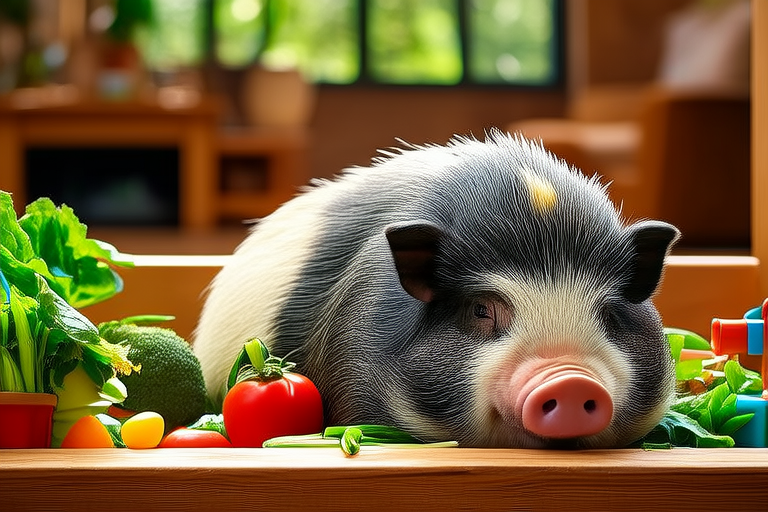
How to Create the Ultimate Habitat for Your Happy Guinea Pig!
Welcome, fellow guinea pig enthusiasts! Creating the perfect home for your little furry friend is an exciting adventure that requires attention to detail and a deep understanding of their needs. This guide will walk you through every aspect of setting up the ultimate habitat for your happy guinea pig, ensuring they live a healthy, joyful life.
Choosing the Right Cage Size
The first step in creating a comfortable habitat for your guinea pig is selecting the right cage. Guinea pigs need ample space to move around freely and stretch out. A minimum cage size of 7.5 square feet (or approximately 48 inches by 24 inches) is recommended for one guinea pig. If you have more than one, ensure each additional guinea pig has at least 2 square feet of space.
Opt for cages with multiple levels or tunnels to provide vertical spaces and encourage exploration. Avoid wire-bottomed cages, as these can hurt your guinea pig’s delicate feet. Instead, choose solid-bottomed cages with easy-to-clean surfaces.
Selecting Bedding Materials
Bedding is crucial for maintaining cleanliness and comfort in your guinea pig’s habitat. Opt for soft, absorbent materials that keep your pet dry and reduce odors. Shredded paper, recycled paper products, and high-quality wood shavings are excellent choices. Avoid cedar and pine shavings, as they can irritate your guinea pig’s respiratory system.
Layer the bedding to a depth of at least 2 inches, ensuring it’s changed regularly to prevent ammonia build-up, which can lead to health issues. Spot clean daily and replace the entire bedding weekly.
Ensuring Proper Ventilation
Proper air circulation is vital for your guinea pig’s well-being. Choose a cage with good ventilation but no drafts. Airflow helps maintain a healthy environment by reducing moisture and odors. Ensure there are no gaps in the cage where cold air can enter directly. Position the cage away from direct sunlight and heat sources to avoid overheating.
Temperature Control
Guinea pigs thrive in temperatures between 65°F and 75°F (18°C to 24°C). They are sensitive to extreme temperatures, so monitor the room temperature and adjust accordingly. Use a thermometer to check the temperature inside the cage regularly. In colder months, provide extra bedding or a small heating pad placed under half of the cage for warmth. In warmer weather, consider a cooling mat or a fan positioned to blow gently over the cage.
Toys for Mental Stimulation
Mental stimulation is just as important as physical exercise for your guinea pig. Provide a variety of toys to keep them entertained and mentally engaged. Chew toys made from untreated wood or hay help keep their teeth trimmed. Tunnel toys and hideouts offer places to explore and feel secure. Puzzle feeders encourage foraging behavior, promoting natural instincts.
Rotate toys periodically to prevent boredom and introduce new items gradually to avoid overwhelming your guinea pig. Always supervise when introducing new toys to ensure they are safe and suitable for your pet.
Integrating a Balanced Diet Within the Habitat
Your guinea pig’s habitat should include areas for feeding and grazing. Place a heavy ceramic food dish in a corner to prevent tipping. Fill it with fresh, high-quality pellets specifically formulated for guinea pigs. Supplement their diet with unlimited access to timothy hay, which aids digestion and keeps their teeth healthy. Fresh vegetables like carrots, spinach, and bell peppers should be offered daily, but in moderation.
Water bottles are preferable to bowls due to hygiene concerns. Attach the bottle to the side of the cage and check it regularly to ensure it’s functioning correctly. Clean the bottle and replace the water daily to prevent bacterial growth.
Regular Cleaning Schedules
Keeping your guinea pig’s habitat clean is essential for their health and happiness. Develop a cleaning schedule that includes daily spot cleaning, removing soiled bedding and uneaten food. Weekly deep cleaning involves scrubbing the cage and all accessories with a pet-safe disinfectant. Replace the bedding entirely during this process.
Pay special attention to areas where your guinea pig spends most of its time, ensuring these spots remain fresh and inviting. Regular cleaning not only maintains hygiene but also prevents potential health problems.
Safe Exploration Areas
Creating safe areas outside the cage for supervised playtime is beneficial for your guinea pig’s mental and physical health. Use a large, enclosed area free from hazards such as electrical cords and small objects that could be swallowed. Cover the floor with a soft, non-slip surface like fleece or a towel to provide comfort and traction.
Supervise your guinea pig during these times to ensure their safety and prevent any accidents. Rotate toys and obstacles to keep the environment stimulating and interesting for your pet.
Hiding Spots and Comfort Zones
Providing hiding spots and comfort zones within the cage is crucial for your guinea pig’s sense of security. Cardboard boxes, fabric tunnels, and commercial hideaways offer cozy retreats. These spaces allow your guinea pig to rest undisturbed and feel protected.
Place the hideouts in different corners of the cage to give your pet options. Ensure they are easily accessible and spacious enough for your guinea pig to comfortably fit inside. Rotate hideouts occasionally to keep the environment fresh and engaging.
Introducing New Elements Without Stress
Introducing new elements to your guinea pig’s habitat should be done gradually to minimize stress. Start by placing new items outside the cage and allowing your guinea pig to explore them at their own pace. Once they show interest, bring the items inside the cage but keep them separate initially.
Monitor your guinea pig’s reaction closely. If they seem anxious or avoid the new item, remove it temporarily and try again later. Patience is key in helping your guinea pig adapt to changes in their environment.
Conclusion
By following these guidelines, you’ll create an ideal habitat that promotes your guinea pig’s health, happiness, and longevity. Remember, every guinea pig is unique, so observe your pet’s preferences and adjust their environment accordingly. With love, care, and attention, you’ll ensure your guinea pig enjoys a fulfilling and joyful life.
