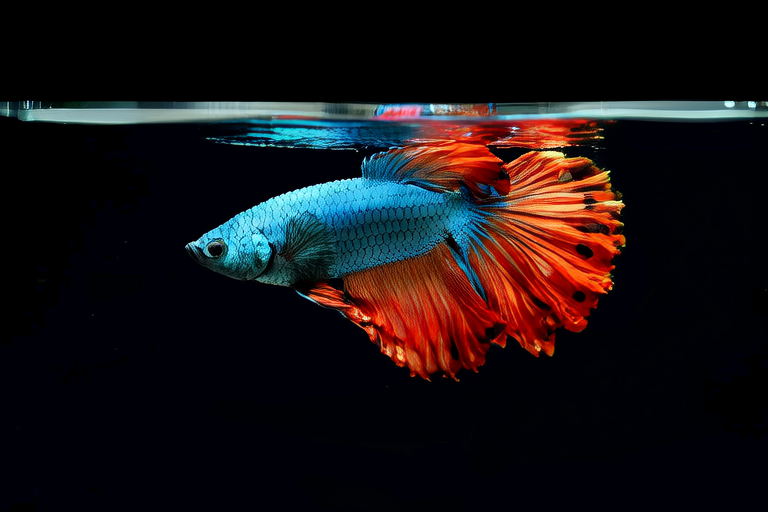
Betta Splendens: The Ultimate Guide to Keeping Your Finned Friend Happy
Welcome to your comprehensive guide to keeping Betta Splendens, also known as Siamese fighting fish, happy and healthy. This beautiful species has captivated aquarium enthusiasts for centuries with their vibrant colors and flowing fins. Whether you’re a beginner or an experienced aquarist, this guide will provide all the information you need to create a thriving environment for your finned friend.
Optimal Tank Setup
The first step in creating a perfect home for your Betta Splendens is setting up the right tank. While it’s often sold in small bowls, a larger tank is recommended for better water quality and more space to swim.
Tank Size
A minimum tank size of 5 gallons is ideal for a single Betta. This provides enough room for swimming and helps maintain stable water conditions. Larger tanks can house multiple Bettas if properly set up.
Filtration
Proper filtration is crucial for maintaining water quality. Choose a filter that suits the tank size and doesn’t create strong currents, which can stress your Betta. Sponge filters are often recommended because they don’t suck up delicate fins.
Water Parameters
Keep the pH between 6.5 and 7.5, hardness around 5-12 dGH, and temperature at 75-82°F (24-28°C). Regular testing and maintenance are essential to ensure these parameters remain stable.
Suitable Tank Mates
Bettas are territorial and may become aggressive towards other fish, especially males. However, some peaceful companions can coexist peacefully:
- Guppies: These active swimmers stay away from the top where Bettas typically reside.
- Corydoras Catfish: Bottom-dwelling fish that won’t interfere with your Betta.
- Rummynose Tetras: Active but non-aggressive swimmers that add color to the tank.
Always research compatibility thoroughly before adding new inhabitants.
Dietary Needs
Bettas are carnivorous and require a balanced diet rich in protein. A mix of flake food, pellets, and live or frozen foods like bloodworms, brine shrimp, and daphnia ensures optimal nutrition.
Maintaining Water Quality
Regular water changes—about 25% weekly—are vital to remove toxins and maintain good water quality. Use a gravel vacuum during water changes to clean the substrate.
Common Health Issues
Recognize symptoms early to treat potential problems effectively:
- Fungal Infections: White cotton-like growths. Treat with antifungal medications.
- Bacterial Infections: Red streaks or ulcers. Antibiotics may be necessary.
- Fin Rot: Tattered or disintegrating fins. Improved water quality and antibiotics help recovery.
Behavioral Insights
Understanding Betta behavior enhances care:
- Swimming patterns indicate mood. Active swimming suggests happiness; lethargy might signal illness.
- Flaring gills or chasing other fish shows aggression. Providing hiding spots reduces stress.
Tips for Enrichment and Interaction
Engage your Betta with enrichment activities:
- Plants offer hiding spots and natural environments.
- Interactive toys like floating bells or mirrors stimulate them.
- Use a pipette to drop food slowly into the water for a fun feeding experience.
Remember, each Betta has unique preferences, so observe and adjust accordingly.
Conclusion
By following this guide, you’ll create an ideal environment for your Betta Splendens. With proper care, regular maintenance, and attention to their specific needs, your Betta will thrive, bringing joy and beauty to your home. Enjoy the rewarding experience of caring for these magnificent creatures.
