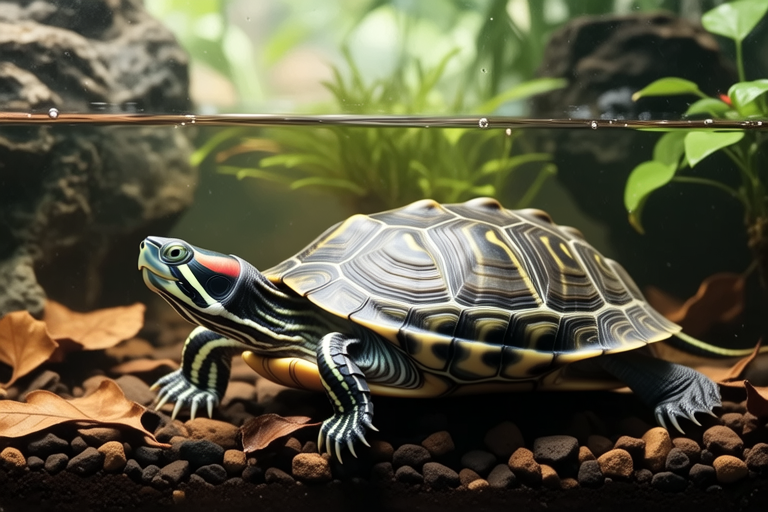
From Habitat Setup to Feeding Tips: Raising a Three-Striped Box Turtle Like a Pro
Welcome to the fascinating world of three-striped box turtles! Known for their distinct three yellow stripes running down their head and neck, these turtles are not just visually appealing but also relatively easy to care for. Whether you’re a seasoned reptile keeper or a novice, raising a three-striped box turtle can be an enriching experience. This article will guide you through every aspect of caring for your turtle, from setting up its habitat to ensuring it remains healthy and happy.
The Unique Characteristics of Three-Striped Box Turtles
Three-striped box turtles (Terrapene triunguis) are native to parts of the United States, particularly in the Midwest and Southeast regions. They are known for their strong, domed shells that protect them from predators. These turtles have a lifespan of around 30 to 40 years, making them a long-term commitment. Their unique coloring and patterns make them stand out, and they are generally docile creatures that can be quite interactive with their owners.
Setting Up the Perfect Habitat
The first step in raising a three-striped box turtle is creating a suitable habitat. This involves several key elements: substrate, lighting, temperature, and hiding spots.
Substrate
The substrate you choose should be safe and easy to clean. Many owners prefer a mix of topsoil, sphagnum moss, and sand. This combination mimics the natural environment of the turtle, providing a soft surface for digging and burrowing. Avoid substrates that could cause impaction if ingested, such as gravel or small stones.
Lighting
Proper lighting is crucial for the health of your turtle. You need two types of lights: UVB lighting and heat lamps. UVB light helps the turtle produce vitamin D3, which is essential for calcium absorption. Heat lamps are used to maintain the appropriate temperature range. The basking area should reach around 85-90°F during the day, while the cooler side of the enclosure should be around 75-80°F. Ensure there’s a gradient so your turtle can regulate its body temperature.
Temperature
Temperature control is vital for maintaining the turtle’s health. Use thermometers to monitor the temperatures in different areas of the enclosure. In addition to the basking spot, provide a cooler area where your turtle can retreat when it gets too warm. Nighttime temperatures should drop slightly, but never fall below 65°F.
Hiding Spots
Turtles need places to hide and feel secure. Incorporate logs, rocks, or artificial caves into the enclosure. These structures not only provide shelter but also add enrichment to the environment. Make sure any items you place inside are stable and won’t collapse under the turtle’s weight.
Water Sources
Water is essential for hydration and hygiene. Provide a shallow water dish large enough for your turtle to soak in comfortably. Change the water daily to prevent bacterial growth. Additionally, misting the enclosure occasionally can help increase humidity levels, which are important for the turtle’s respiratory health.
Feeding Your Three-Striped Box Turtle
Feeding your turtle correctly is key to its health and longevity. Three-striped box turtles are omnivorous, meaning they eat both plant and animal matter.
Diet Specifics
In the wild, their diet consists of insects, worms, slugs, fruits, and leafy greens. In captivity, you can replicate this diet by offering a variety of foods. Protein sources include crickets, mealworms, and earthworms. For vegetables and fruits, try collard greens, dandelion leaves, berries, and melons. Always ensure the food is fresh and free from pesticides.
Portion Sizes and Frequency
Feed your adult turtle three to four times a week, adjusting portions based on its size and activity level. Juvenile turtles may require more frequent feedings. A good rule of thumb is to offer as much food as your turtle can consume in 15 minutes. Remove any uneaten food to prevent spoilage.
Handling and Health Care
While three-striped box turtles are generally calm, handling them requires gentleness and care. Always support their shell and avoid lifting them by their legs or tail. Over-handling can stress the turtle, so limit handling sessions to brief periods.
Recognizing Signs of Illness
It’s important to be vigilant about your turtle’s health. Signs of illness include lethargy, loss of appetite, swollen eyes, and abnormal discharge. If you notice any of these symptoms, consult a veterinarian specializing in reptiles. Regular check-ups are recommended to catch any issues early.
Regular Check-Ups
Take your turtle for annual veterinary visits. During these check-ups, the vet will examine your turtle’s overall health, check for parasites, and ensure its diet and habitat are adequate. Dental checks and blood tests may also be part of the routine.
Conclusion: Enjoying Responsible Ownership
Raising a three-striped box turtle is a rewarding endeavor that requires dedication and knowledge. By setting up an appropriate habitat, providing a balanced diet, and being attentive to your turtle’s health, you can ensure it leads a long and fulfilling life. Remember, owning a pet is a significant responsibility. Be prepared for the long-term commitment and enjoy the unique bond you’ll form with your turtle. With proper care, your three-striped box turtle will bring joy and companionship for many years to come.
