Adorable Three-Striped Box Turtle: Perfect for Shy Pet Owners
Welcome to the world of the three-striped box turtle! This charming reptile is not only adorable but also an excellent choice for shy pet owners who are looking for a low-maintenance and calming companion. In this article, we will explore the unique characteristics of the three-striped box turtle, including their appearance, care requirements, temperament, and why they are ideal pets for those who prefer a quieter lifestyle.
The Unique Appearance of Three-Striped Box Turtles
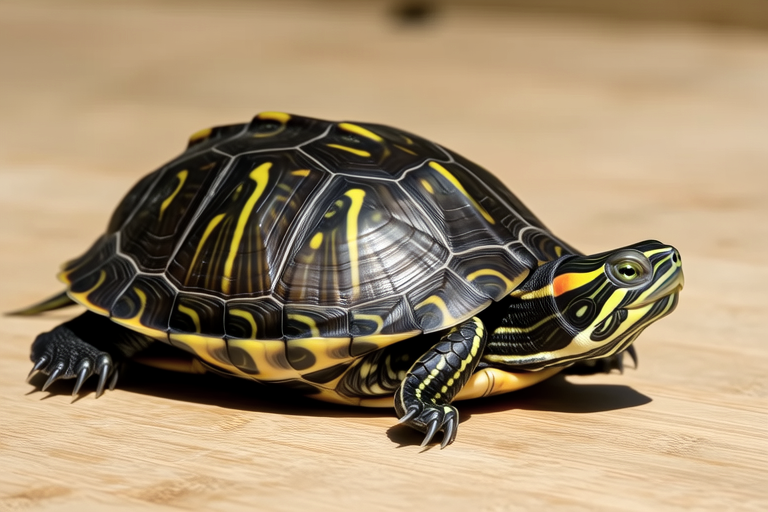
The three-striped box turtle is a small to medium-sized turtle that typically grows to about 4.5 to 6 inches in length. As its name suggests, it has three distinctive yellow stripes that run down its dark brown or black shell. These stripes are what make the three-striped box turtle stand out from other species of box turtles. The shell is domed, offering the turtle protection from predators. Additionally, the plastron (the underside of the shell) is hinged, allowing the turtle to close itself completely inside the shell for extra security.
Aside from their striking appearance, three-striped box turtles have a unique set of claws that they use for digging and burrowing. Their skin is usually a shade of brown or black, with some individuals having additional markings or patterns. The eyes are round and bright, adding to the overall charm of these little creatures.
Care Requirements
Maintaining a healthy environment for your three-striped box turtle is essential for its well-being. Here are some key aspects of their care:
Habitat Setup
Creating a suitable habitat for your three-striped box turtle is crucial. They require a spacious enclosure that mimics their natural environment as closely as possible. A good rule of thumb is to provide at least ten square feet of space for each turtle. The enclosure should be equipped with a shallow water dish for drinking and soaking, as well as a basking area with a heat lamp. The temperature should range between 75 and 85 degrees Fahrenheit during the day, dropping slightly at night.
In addition to temperature control, humidity levels need to be maintained between 60% and 80%. This can be achieved by misting the enclosure regularly or using a humidifier. Substrate options include coconut fiber, cypress mulch, or a mixture of topsoil and sand. Providing hiding spots and climbing structures, such as logs or rocks, will help your turtle feel secure and stimulated.
Diet
Three-striped box turtles are omnivores, meaning they eat both plant matter and animal protein. A balanced diet is vital for their health and longevity. In the wild, their diet consists of insects, worms, snails, fruits, and vegetables. As a pet owner, you should aim to replicate this varied diet as closely as possible.
Aim to feed your turtle a mix of leafy greens (such as romaine lettuce, collard greens, and dandelion greens), fruits (like berries, melons, and bananas), and protein sources (such as earthworms, crickets, and mealworms). It’s important to avoid feeding them iceberg lettuce, as it lacks nutritional value. Additionally, ensure that any food items are pesticide-free and thoroughly washed before serving.
Health Considerations
Like all pets, three-striped box turtles are susceptible to certain health issues. Common problems include respiratory infections, shell rot, and vitamin deficiencies. Regular veterinary check-ups are recommended to catch any potential issues early on. Signs of illness may include lethargy, loss of appetite, swollen eyes, or discharge from the nose or mouth.
To prevent health problems, maintain clean living conditions, provide a balanced diet, and monitor your turtle’s behavior closely. If you notice any changes in their habits or physical appearance, consult a veterinarian specializing in reptiles immediately.
Temperament and Why They Are Ideal for Shy Owners
One of the most appealing aspects of three-striped box turtles is their calm and gentle nature. Unlike some other pets that can be high-energy or demanding, these turtles are content with observing their surroundings and basking in the sun. Their laid-back demeanor makes them perfect companions for shy pet owners who prefer a more relaxed and peaceful atmosphere.
Three-striped box turtles are not particularly social animals, so they don’t require constant interaction with their human caregivers. However, they can still form a bond with their owners over time, especially if handled gently and consistently. Many people find the act of watching their turtle go about its daily routine to be soothing and meditative.
Tips for Introducing Your Turtle to Its New Home
When bringing home a new three-striped box turtle, it’s important to acclimate them to their new environment gradually. Start by placing the turtle in a quarantine area for a few weeks to ensure they are healthy and free from parasites. Once you’ve given them a clean bill of health, introduce them to their permanent enclosure.
During this transition period, keep interactions brief and gentle. Allow your turtle time to explore and adjust to their new surroundings at their own pace. Over time, you can increase the frequency and duration of handling sessions, always being mindful of your turtle’s comfort level.
Conclusion
The three-striped box turtle is an enchanting and easy-to-care-for pet that can bring joy and tranquility into the lives of shy pet owners. With their captivating appearance, low-maintenance care requirements, and serene temperament, these turtles make wonderful companions for those seeking a peaceful and rewarding pet experience.
By understanding their specific needs and providing a nurturing environment, you can ensure that your three-striped box turtle thrives and remains a cherished member of your household for many years to come. Whether you’re a seasoned reptile enthusiast or a first-time pet owner, the three-striped box turtle is sure to win your heart with its charm and grace.
