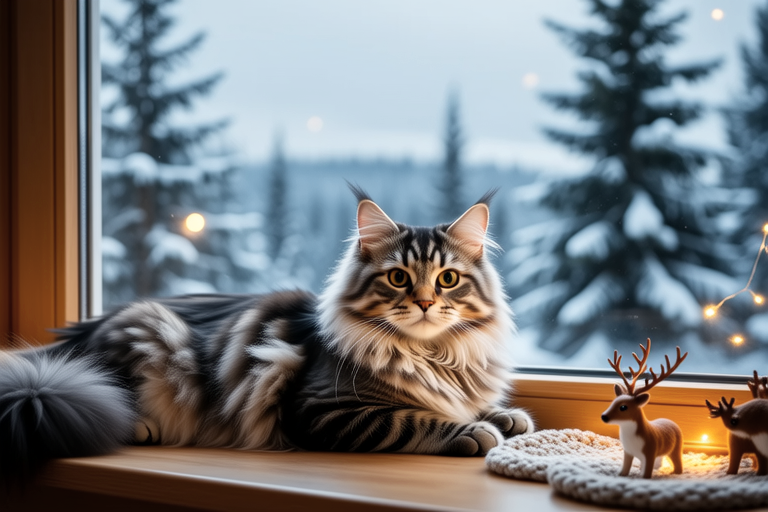
From Frozen Lands: Unique Pet Care Tips for Norwegian Owners
Welcome, fellow Norwegians! If you’re reading this, you’re likely already well-acquainted with the unique challenges of living in one of the world’s most beautiful but harsh environments. As a proud pet owner in this frozen land, you know all too well the importance of adapting your pet care routine to the ever-changing Nordic climate. This article aims to provide you with practical, climate-specific advice to ensure your furry friends thrive in Norway’s unique environment.
Winter Pet Care Essentials
The Norwegian winter can be unforgiving, with temperatures often dropping below freezing and daylight hours being limited. Ensuring your pet stays warm, healthy, and safe during these months is crucial. Start by investing in high-quality, insulated dog coats or sweaters for smaller pets like cats and rabbits. These not only keep them cozy but also protect against icy winds and snow.
Walking your dog in the winter requires some adjustments. Use booties to protect their paws from salt and ice, which can cause discomfort or injury. Always check their paws after walks, as they may have picked up ice, snow, or debris that could irritate their skin. If you notice any redness, swelling, or unusual behavior, consult your vet immediately.
Indoor heating can dry out the air, leading to respiratory issues and skin problems for your pets. Humidifiers can help maintain a comfortable humidity level, preventing dryness and ensuring your pets stay healthy throughout the colder months.
Suitable Breeds for Cold Climates
Selecting a breed that thrives in cold weather is essential for minimizing health risks associated with low temperatures. Nordic breeds like the Norwegian Elkhound, Finnish Lapphund, and Samoyed are naturally suited to the cold. Their thick, insulating coats provide excellent protection against harsh conditions. However, even if you don’t own a traditional Nordic breed, there are many other options that can adapt well to your climate.
Breeds with dense, water-resistant coats such as the Siberian Husky, Alaskan Malamute, and Bernese Mountain Dog are also great choices. They are hardy and can handle the cold better than thinner-coated breeds. Regardless of breed, it’s important to ensure your pet has access to shelter, warmth, and plenty of exercise during the winter months.
Dietary Considerations for Cold Weather
Just as humans require more calories in the winter to stay warm, so do our pets. Adjust their diet to include more protein and fat, which will help them maintain body heat. High-quality, meat-based diets are ideal for this purpose. Consult your veterinarian about specific dietary needs based on your pet’s age, size, and activity level.
Hydration is equally important. Even though it may seem counterintuitive, pets need just as much water in winter as they do in summer. Dehydration can lead to serious health issues, especially in cold weather. Provide fresh, clean water at all times, and consider warming it slightly to encourage consumption.
Outdoor Safety Measures
While it’s tempting to let your pet explore the snowy landscape, outdoor safety should always be a priority. Keep your pets away from frozen lakes and rivers, as thin ice can pose significant dangers. Supervise them closely when they are outside, and never leave them unattended in extreme weather conditions.
Car safety is another critical aspect of outdoor pet care. Always secure your pet in a carrier or with a harness in the car. The sudden temperature changes between inside and outside can shock their system, potentially leading to illness. Additionally, never leave your pet alone in a parked car during winter, as the vehicle can act like a refrigerator, trapping cold air inside.
Grooming Practices for Insulation
Grooming plays a vital role in maintaining your pet’s insulation and overall health during the winter. Regular brushing helps remove dead hair and mats, allowing their natural oils to reach the skin and promote healthy coat growth. For pets with shorter coats, consider adding a layer of fur by trimming their hair longer. This can provide extra insulation without compromising their mobility.
During grooming sessions, pay special attention to areas where ice and snow might accumulate, such as the paws, underbelly, and tail. Thoroughly clean and dry these areas after each walk to prevent discomfort and potential infections. Using a gentle, pet-friendly shampoo and conditioner can help keep their skin and coat in top condition.
Indoor Entertainment Ideas to Combat Long Winters
The long, dark winter nights can be challenging for both pets and their owners. Indoor entertainment is key to keeping your pets happy and stimulated. Interactive toys and puzzles are excellent for mental stimulation, helping to alleviate boredom and prevent destructive behaviors. Consider setting up a designated play area with soft blankets, tunnels, and climbing structures to mimic outdoor adventures.
Training sessions can also be a fun way to engage your pet indoors. Teach them new tricks or reinforce basic commands. Not only does this provide mental stimulation, but it also strengthens the bond between you and your pet. Remember, consistency is key in training, so set aside regular times for practice.
For dogs, agility courses can be set up in larger homes or backyards. These activities challenge their physical abilities and provide a sense of accomplishment. For smaller pets, hide-and-seek games with treats can be both entertaining and rewarding.
Conclusion
Pet ownership in Norway brings its own set of challenges and joys. By following these practical tips, you can ensure your beloved companion remains healthy, happy, and safe throughout the year. Embrace the unique aspects of living in a Nordic country, and enjoy the special bond you share with your pet. Together, you’ll face the frozen lands with confidence and care.
