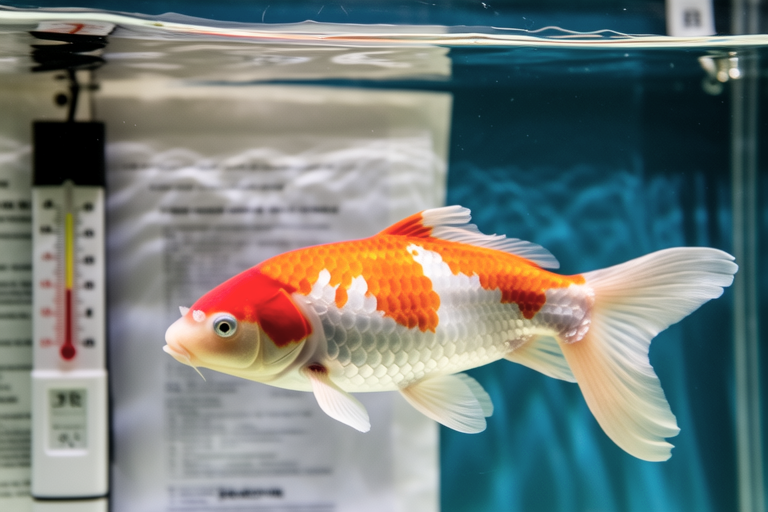
Debunking Common Myths About Goldfish
Goldfish are among the most popular pet choices globally, adored for their vibrant colors and relatively low maintenance requirements. Often seen as a starter pet, especially for children, goldfish bring joy and fascination to many households. However, there’s more to these charming creatures than meets the eye. Misconceptions abound regarding their memory, lifespan, living conditions, and appearance. This article aims to debunk some of the most common myths about goldfish, offering insights into their true nature and the responsibilities of being a responsible pet owner.
Myth One: Goldfish Have Three-Second Memories
The notion that goldfish have a three-second memory is perhaps the most enduring myth about these aquatic pets. It’s often cited as a reason why they’re considered simple or boring animals. In reality, goldfish possess impressive cognitive abilities. Studies have shown that goldfish can recognize different shapes, colors, and even individual humans. They can also learn and remember tasks, such as navigating mazes or responding to specific stimuli, proving that their intelligence extends far beyond a mere three seconds.
Goldfish can remember complex tasks for several months, which means they can be trained to perform tricks or respond to feeding cues. Their ability to learn and adapt to their environment underscores their capacity for more than just short-term sensory experiences. Understanding this aspect of their behavior can enhance the interaction between pet owners and their goldfish, making them more engaging companions.
Myth Two: Goldfish Can Only Live a Year
Another widespread belief is that goldfish have a very short lifespan, typically pegged at just one year. While it’s true that many goldfish don’t live as long as they could due to improper care, those given the right conditions can thrive for much longer. Under optimal circumstances, including clean water, proper diet, and suitable living space, goldfish can live up to ten years or even longer.
The key to extending their lifespan lies in providing a stable and healthy environment. Regular water changes, appropriate filtration, and a balanced diet rich in nutrients are crucial. By ensuring these basic needs are met, owners can significantly improve the longevity of their goldfish, transforming them from fleeting companions into lifelong friends.
Myth Three: A Bowl is Sufficient for a Goldfish
The idea that a goldfish can thrive in a small bowl is another misconception that can lead to serious health issues for these fish. While goldfish may appear content in small spaces initially, they require much more room to swim and grow. A typical goldfish can reach lengths of up to six inches, necessitating a larger habitat to accommodate their physical needs.
In addition to size, the bowl’s lack of filtration can cause significant problems. Without adequate filtration, waste products accumulate quickly, leading to poor water quality and potential health risks for the fish. Therefore, a properly sized tank with efficient filtration systems is essential for maintaining a healthy environment for goldfish. The rule of thumb is to provide at least 20 gallons of water per goldfish, ensuring they have ample space to move around and reducing stress levels.
Myth Four: All Goldfish are Orange
One of the most visually striking aspects of goldfish is their color variety. Contrary to popular belief, goldfish come in a wide range of colors and patterns, not just the traditional orange. Varieties include red, white, black, and even combinations of these colors, creating stunning visual displays. Additionally, there are numerous breeds, each with unique physical characteristics and colorations.
Some of the most popular goldfish breeds include the comet, shubunkin, and fantail. Each breed has its own distinct features, such as fin shapes, body sizes, and color patterns. For instance, shubunkins are known for their vibrant, multicolored scales, while fantails are recognized for their elaborate fins. Understanding the diversity within the goldfish family can enrich the experience of owning these pets, offering a broader appreciation for their beauty and uniqueness.
Maintaining a Healthy Environment for Goldfish
Being a responsible pet owner involves more than just providing food and water; it requires a commitment to maintaining a healthy and stimulating environment. Here are some tips to ensure your goldfish thrive:
- Water Quality: Regularly test and maintain the water parameters, ensuring it remains free of harmful substances like ammonia and nitrite. Perform partial water changes weekly to keep the tank clean.
- Diet: Feed your goldfish a balanced diet consisting of high-quality fish food, supplemented with occasional treats like vegetables or live foods. Avoid overfeeding, as excess food can pollute the water.
- Environment: Provide hiding spots and plants to mimic natural habitats, enhancing the fish’s comfort and reducing stress. Ensure the tank is large enough for swimming and includes adequate filtration.
- Observation: Regularly observe your goldfish for any signs of illness or behavioral changes. Early detection can prevent minor issues from becoming severe problems.
By adhering to these guidelines, you can create a nurturing environment that supports the well-being of your goldfish, ensuring they live long and healthy lives.
