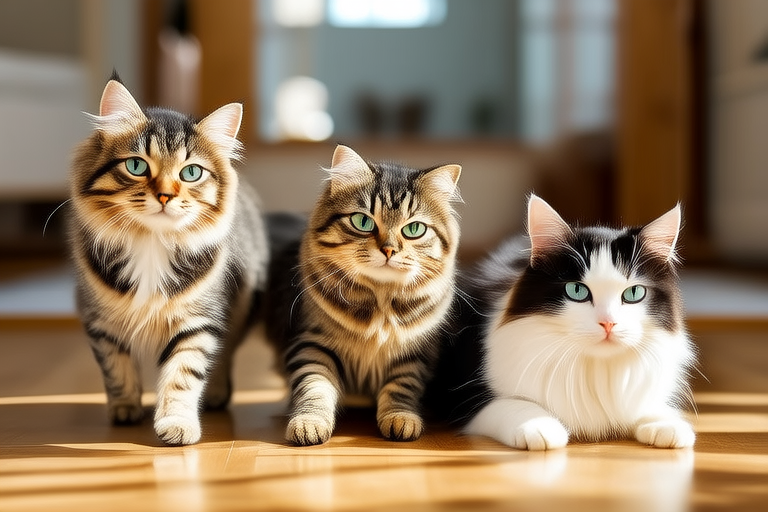
The Rise of Munchkin Pets: From Rare Finds to Internet Sensations
The term “Munchkin” typically brings to mind the whimsical characters from L. Frank Baum’s classic novel, The Wonderful Wizard of Oz. However, in recent years, it has also come to describe an unusual breed of cat and dog known for their exceptionally short legs. These charming creatures have captured the hearts of many pet lovers, transitioning from rare finds to internet sensations. This article delves into the history and characteristics of Munchkin pets, their unique physical traits, temperament, health considerations, and the ethical implications of their breeding.
Origins and Physical Traits
The Munchkin cat, the first recognized breed with short legs, was discovered in the United States in the late 1980s. Sandra Hochenedel found two cats under a pickup truck, one of which was pregnant. She named the breed after the character from The Wizard of Oz due to its distinctively short legs. The Munchkin cat has a genetic mutation responsible for its shortened limbs, which results in a dwarfism condition known as achondroplasia. This mutation affects cartilage development, leading to shorter-than-normal legs.
The Munchkin dog, also known as the Levrier Munchkin or American Curl Munchkin, emerged later. It combines the short-legged gene of the Munchkin cat with other breeds such as Dachshunds, Corgis, or Beagles. The resulting dogs inherit the characteristic short legs but may vary in size and appearance depending on the parent breeds. Both Munchkin cats and dogs share the endearing trait of being small yet sturdy, with a playful and curious nature.
Transition to Internet Sensation
Munchkin pets first gained attention through social media platforms like Instagram and YouTube. Their unique appearance and friendly demeanor quickly caught the public’s eye. As more people shared photos and videos of their Munchkin companions, these pets became viral sensations. Celebrities and influencers also contributed to their growing popularity by showcasing their Munchkins, further amplifying their appeal.
The rise of Munchkin pets on the internet has had a significant impact on public perception. Many viewers were initially intrigued by their unusual physical features, leading to increased interest in adopting these pets. Social media exposure also helped raise awareness about the ethical considerations associated with breeding Munchkin pets, prompting discussions about responsible ownership.
Temperament and Health Considerations
Munchkin pets are generally known for their friendly and sociable personalities. They enjoy interacting with humans and other animals, making them excellent companions. Their playful nature and curiosity often lead to engaging behaviors that entertain both owners and observers alike.
However, their unique physical trait can pose certain health risks. Due to their short legs, Munchkin pets may experience joint problems, such as hip dysplasia or spinal issues. Regular veterinary check-ups and appropriate care are essential to ensure their well-being. Additionally, providing ample space for exercise and play can help maintain their overall health and happiness.
Notable Munchkin Pets
Several Munchkin pets have gained fame online, becoming beloved figures among their followers. For instance, Max the Munchkin Cat, known for his adventurous spirit and playful antics, has amassed a large following on Instagram. His owner shares daily updates about Max’s life, showcasing his interactions with other pets and his love for toys. Another notable example is Buddy the Munchkin Dog, who became famous for his humorous videos that highlight his unique gait and charming personality.
These pets have not only brought joy to their owners but also inspired others to adopt similar animals. Their online presence has contributed to a shift in public perception, with many viewing Munchkin pets as lovable companions rather than merely curiosities.
Ethical Considerations
The breeding of Munchkin pets raises ethical concerns due to their distinctive feature. Some argue that selecting for short legs can exacerbate existing health issues, leading to potential suffering for the animals involved. Others contend that responsible breeding practices can mitigate these risks while still allowing individuals to enjoy the companionship of Munchkin pets.
To address these concerns, it is crucial to prioritize the welfare of the animals. Potential owners should research reputable breeders who adhere to ethical standards and provide proper care for their pets. By choosing responsible breeders and supporting organizations dedicated to animal welfare, individuals can contribute positively to the future of Munchkin pets.
Tips for Potential Owners
If you’re considering adopting a Munchkin pet, there are several factors to keep in mind:
- Research Reputable Breeders: Look for breeders who prioritize the health and well-being of their animals. Ask about their breeding practices and any measures they take to ensure the safety of their pets.
- Prepare Your Home: Create a safe environment for your Munchkin pet by removing hazards and providing comfortable spaces for them to rest and play.
- Provide Adequate Exercise: Encourage regular physical activity to promote good health and prevent obesity. Engage your pet in fun activities that suit their abilities and preferences.
- Monitor Health Care: Schedule routine veterinary visits and follow recommended vaccination schedules. Stay vigilant for signs of discomfort or illness, seeking professional advice when necessary.
- Foster Positive Relationships: Spend quality time with your pet, offering affection and positive reinforcement. Build a strong bond based on trust and mutual respect.
By taking these steps, you can ensure a fulfilling and rewarding experience for both you and your Munchkin pet.
Conclusion
The journey of Munchkin pets from rare finds to internet sensations reflects broader trends in pet ownership and digital culture. While their unique physical traits have captured public imagination, it is important to approach their breeding and care with responsibility and compassion. By understanding the history, characteristics, and challenges associated with Munchkin pets, potential owners can make informed decisions that benefit both themselves and their new companions.
