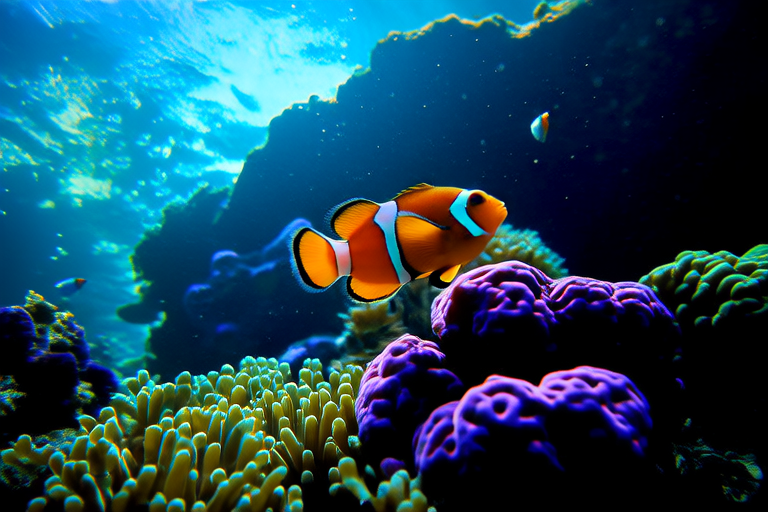
How to Care for Your Clownfish
Welcome to the fascinating world of clownfish! These vibrant, colorful fish are popular among both novice and experienced aquarists due to their striking appearance and engaging behavior. However, caring for them requires more than just a tank and some food. This guide will provide you with all the essential information you need to ensure your clownfish thrive in your home aquarium.
Choosing the Right Tank Setup
The first step in creating a suitable environment for your clownfish is setting up an appropriate tank. The minimum recommended tank size for a single clownfish is 30 gallons, but if you plan to house multiple clownfish or add other marine species, a larger tank (at least 55 gallons) is advisable. A larger tank provides more space for swimming and reduces stress on the fish.
Clownfish prefer a well-planted tank with ample hiding spots and open swimming areas. Incorporate live rock, which not only provides shelter but also helps maintain water quality by supporting beneficial bacteria. Additionally, include plenty of caves and crevices where your clownfish can retreat when feeling threatened.
Proper filtration is crucial for maintaining clean water. Choose a high-quality filter that suits the size of your tank. Regular water changes and maintenance of the filter will help keep the water pristine and free from harmful toxins.
Maintaining Ideal Water Parameters
To ensure the health and longevity of your clownfish, it’s vital to maintain optimal water conditions. Here are the key parameters to monitor:
- Temperature: Keep the water temperature between 76°F and 82°F (24°C and 28°C).
- pH Levels: Aim for a pH range of 8.1 to 8.4. Use pH test kits regularly to check and adjust as necessary.
- Salinity: Maintain salinity at around 1.020 to 1.025 specific gravity. Use a hydrometer to measure salinity accurately.
- Aeration: Ensure good oxygenation by providing adequate aeration through powerheads or air stones.
- Nitrogen Cycle: Allow sufficient time for the nitrogen cycle to complete before introducing any fish into the tank. Test ammonia, nitrite, and nitrate levels frequently until they stabilize.
Regular testing and adjustments are necessary to keep these parameters within the desired range. Consistency is key to maintaining a healthy environment for your clownfish.
Dietary Requirements
Clownfish are omnivorous, meaning they eat both plant-based and animal-based foods. In the wild, they primarily feed on zooplankton, small crustaceans, and algae. In captivity, you can replicate this diet by offering a variety of foods.
Start with high-quality flake food designed for marine fish. Supplement this with frozen or freeze-dried foods such as brine shrimp, mysis shrimp, and bloodworms. You may also introduce vegetable matter like spirulina flakes or blanched spinach. Feeding a diverse diet ensures that your clownfish receive all the necessary nutrients.
Feed your clownfish twice daily, giving them only what they can consume within a few minutes. Overfeeding can lead to poor water quality and health issues. Monitor their feeding habits closely to avoid waste and excess food accumulation in the tank.
Common Health Issues and Prevention
Like any living creature, clownfish can fall ill under certain conditions. Understanding potential health problems and knowing how to prevent them is crucial for keeping your fish healthy.
Ich (White Spot Disease): One of the most common diseases affecting clownfish is ich, characterized by tiny white spots on the fish’s body. It’s caused by parasitic protozoa and thrives in cooler waters. To prevent ich, maintain proper water temperatures and perform regular water changes. If symptoms appear, treat promptly with medication specifically formulated for ich.
Fungal Infections: Fungal infections often occur when fish are stressed or have open wounds. Symptoms include fluffy growths on the skin or fins. Keeping the tank clean and minimizing stress through stable water conditions and appropriate tank mates can help prevent fungal infections. Treat affected fish with antifungal medications.
Bacterial Infections: Bacterial infections are another frequent issue, especially if water quality deteriorates. Symptoms include redness, ulcers, or excessive mucus production. Regular water changes and maintaining excellent water quality are the best defenses against bacterial infections. Antibiotics may be required if an infection develops.
Early detection and prompt treatment are critical in managing these health issues effectively. Always quarantine new fish before adding them to your main tank to avoid introducing diseases.
Selecting Compatible Tank Mates
Choosing the right tank mates for your clownfish is important to ensure harmony within the aquarium. Clownfish are generally peaceful and can coexist with many other species, provided there is enough space and resources available.
Good tank mates for clownfish include other peaceful marine fish like damsels, tangs, and wrasses. Avoid aggressive or territorial species that might bully or compete with clownfish for food and space. It’s also wise to consider the size of potential tank mates; smaller fish may become prey for larger ones.
Clownfish often form symbiotic relationships with sea anemones in nature. While it’s possible to recreate this relationship in captivity, it requires specialized care and a suitable anemone species. If you’re interested in housing an anemone with your clownfish, research thoroughly to understand the specific needs and compatibility.
When selecting tank mates, always prioritize the well-being and comfort of your clownfish. Observe their interactions closely and be prepared to make adjustments if conflicts arise.
Conclusion
Caring for clownfish can be a rewarding experience, but it demands attention to detail and commitment. By following the guidelines outlined in this guide—setting up the right tank, maintaining ideal water parameters, providing a balanced diet, preventing and treating common health issues, and choosing compatible tank mates—you’ll create a thriving environment for your clownfish. Remember, patience and consistency are key in providing the best care for these delightful creatures.
