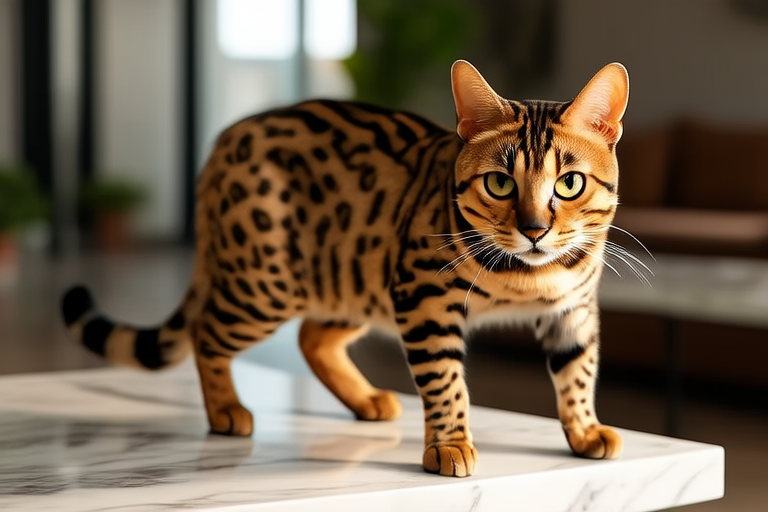
The Ultimate Guide to Owning a Bengal Cat
Choosing the Right Bengal Cat
Owning a Bengal cat can be an incredibly rewarding experience. However, it’s crucial to choose the right Bengal cat that fits your lifestyle and home environment. Bengal cats come in various patterns and colors, including snow, silver, and brown. Before adopting, consider the cat’s temperament and energy level. Bengal kittens are typically playful and active, requiring a patient and dedicated owner. Always adopt from reputable breeders who prioritize the health and well-being of their cats.
Understanding Their Unique Characteristics
Bengal cats are known for their striking appearance and high energy levels. They have a sleek coat with a unique spotted or marbled pattern, resembling wildcats. Bengal cats are intelligent, curious, and often display behaviors similar to their wild ancestors. They enjoy climbing, playing, and exploring, making them ideal for homes with plenty of vertical space and interactive toys. Despite their wild appearance, they are generally affectionate and bond closely with their human families.
Dietary Needs
Proper nutrition is vital for maintaining a Bengal cat’s health and vitality. Feed them high-quality, protein-rich food that meets their nutritional requirements. Wet food provides moisture, which can help prevent urinary tract issues common in Bengal cats. Consult with a veterinarian to determine the best diet for your Bengal, especially if you’re feeding a homemade diet. Avoid foods that could be harmful, such as chocolate, onions, and garlic. Provide fresh water at all times and consider a water fountain to encourage drinking.
Grooming Tips
Bengal cats have short, dense coats that require minimal grooming. Weekly brushing helps remove loose hair and prevents matting. Use a soft-bristled brush or a rubber grooming glove to stimulate blood circulation and distribute natural oils. Bengal cats also enjoy self-grooming, so they may spend considerable time licking themselves. Bathing is usually unnecessary unless the cat gets into something particularly messy. Regular nail trimming and dental care are also important aspects of grooming.
Exercise Requirements
Bengal cats are highly energetic and need ample opportunities to play and burn off excess energy. Interactive toys, puzzle feeders, and climbing structures can keep them engaged and mentally stimulated. Rotate toys regularly to maintain interest and provide variety. Encourage physical activity through play sessions several times a day. Outdoor enclosures or supervised outdoor access can offer additional exercise and stimulation, but ensure safety by fencing the area properly.
Training Methods
Training Bengal cats can be challenging due to their independent nature. Positive reinforcement techniques, such as clicker training and treats, work well for teaching basic commands and tricks. Bengals respond positively to consistent and gentle guidance. Training should be fun and engaging, focusing on building trust and strengthening the bond between you and your cat. Avoid harsh punishment, as it can lead to fear and aggression. Patience and persistence are key when working with these intelligent and spirited felines.
Common Health Issues
Like any breed, Bengal cats are prone to certain health issues. Hypertrophic cardiomyopathy (HCM) is a heart condition that can affect Bengals, especially males. Regular veterinary check-ups and early detection are crucial for managing this condition. Bengals may also suffer from patellar luxation, a joint disorder where the kneecap dislocates. Proper diet, weight management, and regular exercise can help prevent obesity-related health problems. Discuss genetic testing options with your veterinarian to identify potential hereditary conditions.
Socializing with Other Pets and Family Members
Bengal cats can coexist peacefully with other pets and family members if introduced gradually and carefully. Early socialization is essential for Bengals to learn appropriate behavior around other animals and humans. Supervise interactions initially to ensure compatibility and prevent conflicts. Bengals may exhibit territorial or aggressive behavior towards other cats, so monitor their interactions closely. Positive experiences during introductions can foster harmonious relationships within the household.
Travel Considerations
Traveling with a Bengal cat requires careful planning and preparation. Choose a sturdy, escape-proof carrier that provides adequate ventilation and comfort. Familiarize your cat with the carrier before the trip by placing treats and toys inside. Secure the carrier in the car and keep the cat calm by providing a familiar blanket or toy. Inform hotel staff about your pet’s presence and ensure they allow cats. Traveling by plane may involve additional steps, such as booking a direct flight and arranging for proper documentation.
Advice for Creating a Safe and Enriching Environment
Create a safe and enriching environment for your Bengal cat by providing multiple levels for climbing and perching. Install window perches or cat trees to satisfy their desire for elevated vantage points. Ensure windows are securely closed and covered with screens to prevent accidental falls. Use childproof locks on cabinets and drawers containing hazardous substances. Keep electrical cords out of reach and cover outlets. Provide scratching posts and toys to redirect scratching behavior away from furniture.
Long-Term Care Strategies
Long-term care for Bengal cats involves regular veterinary check-ups, dental care, and monitoring for signs of illness. Establish a routine for grooming, nail trimming, and dental hygiene. Consider pet insurance to cover unexpected medical expenses. Maintain a healthy weight through portion control and regular exercise. Monitor your cat’s behavior for changes that may indicate underlying health issues. Stay informed about advancements in veterinary care and discuss any concerns with your veterinarian.
