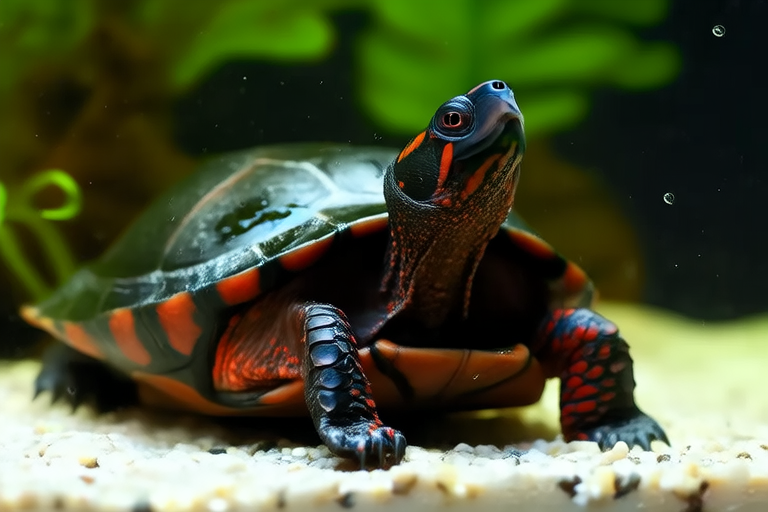
How to Care for Your Red-Eared Slider: A Comprehensive Guide
Welcome to your ultimate guide on how to care for your red-eared slider turtle! Whether you’re a first-time owner or an experienced reptile enthusiast, this article will provide you with all the necessary information to ensure your pet’s health and happiness. We’ll cover everything from setting up the perfect habitat to maintaining good health and nutrition.
Habitat Setup
The first step in caring for your red-eared slider is creating the right environment. This involves several key elements: tank size, filtration, lighting, and temperature control.
Tank Size
Your red-eared slider needs ample space to swim and bask. As a general rule, each inch of shell length requires about 10 gallons of water. For instance, a fully grown turtle might need a 125-gallon tank. Ensure the tank has both aquatic and basking areas. The basking area should be large enough for your turtle to comfortably stretch out under a heat lamp.
Filtration
Water quality is crucial for your turtle’s health. Invest in a powerful filter that can handle at least four times the volume of water in your tank per hour. Regularly clean the filter and change the water every week to prevent harmful bacteria and ammonia buildup.
Lighting
Red-eared sliders require UVB light to synthesize vitamin D3, which aids in calcium absorption. Use a high-quality UVB bulb specifically designed for reptiles and replace it every six months. Position the light so it covers the basking area and ensure your turtle spends several hours under it daily.
Temperature
Maintain water temperatures between 75-80°F (24-27°C) and air temperatures around 85-90°F (29-32°C) in the basking area. Use submersible heaters for the water and overhead heat lamps for the basking spot. Install thermometers in both areas to monitor temperatures accurately.
Diet and Nutrition
A well-balanced diet is essential for your turtle’s growth and overall health. Red-eared sliders are omnivores, meaning they eat both plant and animal matter.
Protein Sources
Incorporate protein-rich foods such as earthworms, crickets, mealworms, and commercial turtle pellets. Feed young turtles more protein as they grow faster. Gradually reduce protein intake as they mature.
Vegetables and Fruits
Offer leafy greens like romaine lettuce, dandelion greens, and collard greens. Occasionally include fruits like strawberries and blueberries. Avoid iceberg lettuce, as it lacks nutritional value.
Calcium and Vitamin Supplements
To support bone health, sprinkle calcium powder over their food once or twice a week. Consult with a veterinarian about additional vitamins if needed.
Health Care Basics
Regular check-ups and preventive measures can help keep your turtle healthy.
Veterinary Care
Find a veterinarian specializing in reptiles. Schedule annual check-ups and vaccinations as recommended by your vet.
Monitoring Health
Keep an eye out for signs of illness, such as lethargy, loss of appetite, or swollen eyes. Early detection and treatment are crucial.
Handling Tips
Handle your turtle gently and infrequently. Wash your hands before and after handling to prevent the spread of bacteria. Avoid handling baby turtles excessively as they may become stressed.
Common Diseases
Despite proper care, red-eared sliders can still fall ill. Here are some common ailments and their symptoms:
Respiratory Infections
Symptoms include runny nose, wheezing, and swollen eyes. Keep the enclosure warm and consult a vet immediately.
Shell Rot
This fungal infection causes soft spots or discoloration on the shell. Maintain clean water and seek veterinary assistance.
Metabolic Bone Disease
Caused by calcium deficiency, this disease weakens bones and shells. Provide a balanced diet and UVB lighting.
Maintenance Routines
Regular cleaning and upkeep are vital for your turtle’s habitat.
Cleaning the Tank
Perform a partial water change weekly and clean the substrate and decorations monthly. Thoroughly disinfect the tank annually.
Checking Equipment
Inspect filters, heaters, and lights regularly. Replace worn-out parts and clean equipment to ensure optimal function.
Conclusion
Raising a red-eared slider requires commitment and knowledge, but the rewards are immeasurable. By following these guidelines, you’ll create a nurturing environment where your turtle can thrive. Remember, the key to successful turtle ownership lies in attention to detail and regular maintenance. Happy turtle keeping!
