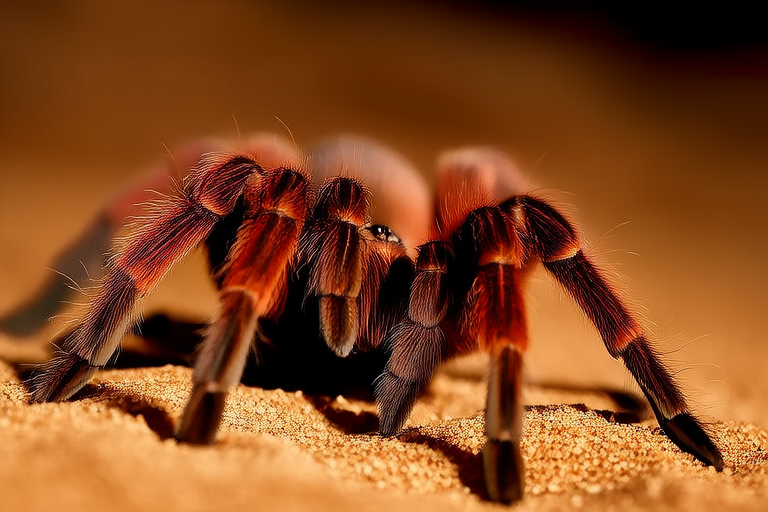
Why You Can’t Resist These Hairy Beauties: The Fascinating World of Chilean Rose Tarantulas
Welcome to the captivating world of Grammostola rosea, better known as the Chilean rose tarantula. These creatures are not only fascinating but also incredibly popular among pet enthusiasts due to their striking appearance and docile nature. This article delves into the unique appeal of Chilean rose tarantulas, their care requirements, and the role they play in their native ecosystems.
The Unique Appeal and Appearance of Chilean Rose Tarantulas
Chilean rose tarantulas are among the most visually appealing arachnids, with their distinct pinkish hue that gives them their common name. Their bodies are typically covered in soft, velvety hair, which can range from a dusty pink to a deep rose red, depending on the individual and its age. The contrast between their vibrant coloring and the stark white hairs on their legs makes them stand out even more. Additionally, they possess eight dark eyes arranged in two rows, providing them with excellent vision for their nocturnal lifestyle.
These tarantulas are relatively small compared to other species, with females growing up to 4 inches (10 cm) in body length and males slightly smaller at around 3 inches (7.5 cm). Despite their diminutive size, they have a robust build and powerful legs that enable them to move swiftly when needed. The hairs covering their bodies serve multiple purposes; some are used for sensing their environment, while others can be ejected as a defense mechanism against predators.
Temperament and Why They Make Great Pets
One of the reasons Chilean rose tarantulas are so popular as pets is their docile temperament. Unlike many other spiders, these tarantulas are generally calm and will rarely bite unless provoked or threatened. Their peaceful nature makes them ideal candidates for those who want an exotic pet without the risk of aggressive behavior.
In addition to being gentle, Chilean rose tarantulas are fascinating to observe. Their slow, deliberate movements and the way they interact with their environment offer endless entertainment for owners. Watching them hunt, molt, or simply explore their enclosure can be incredibly rewarding. Moreover, their relatively low maintenance requirements make them accessible to beginners in the world of exotic pets.
Care Requirements, Habitat Setup, and Dietary Needs
Maintaining a healthy Chilean rose tarantula requires attention to specific care requirements. First and foremost, it’s essential to provide them with an appropriate enclosure that mimics their natural habitat. A glass terrarium or plastic tank with adequate ventilation is recommended, ensuring that the enclosure is escape-proof. The substrate should be composed of coconut fiber, bark chips, or similar materials that allow for easy burrowing and proper moisture retention.
Temperature and humidity levels must be carefully regulated to ensure optimal conditions for your tarantula. Maintain temperatures between 78°F and 82°F (25°C – 28°C) during the day, dropping slightly at night. Humidity should range from 60% to 70%, which can be achieved through regular misting of the enclosure. Providing hiding spots such as cork bark or half logs will give your tarantula a sense of security and encourage natural behaviors like burrowing.
Dietary needs are straightforward yet crucial for maintaining good health. In captivity, Chilean rose tarantulas primarily feed on crickets, though they may also consume mealworms or dubia roaches occasionally. It’s important to gut-load feeder insects before offering them to your pet, ensuring that they receive necessary nutrients. Feeding once every one to two weeks is usually sufficient, depending on the tarantula’s size and activity level.
Myths Versus Facts About Tarantulas
There are numerous misconceptions surrounding tarantulas, particularly regarding their danger to humans. One common myth is that all tarantulas are highly venomous and dangerous. While it’s true that tarantulas possess venom glands located near their fangs, their venom is generally considered mild and comparable to a bee sting in terms of potency. In fact, bites from Chilean rose tarantulas are extremely rare and unlikely to cause serious harm to humans.
Another misconception involves the idea that tarantulas will attack unprovoked. As previously mentioned, these spiders tend to be quite docile and prefer to avoid confrontation. They rely more on their ability to hide or flee rather than engage in aggressive behavior. Furthermore, contrary to popular belief, tarantulas do not spin webs to catch prey. Instead, they actively hunt using their excellent senses and powerful legs.
Conservation Status and Role in Native Ecosystems
Understanding the conservation status of Chilean rose tarantulas provides valuable insight into their importance within their native ecosystems. Currently classified as Least Concern by the International Union for Conservation of Nature (IUCN), these tarantulas face no immediate threat of extinction. However, habitat destruction and overcollection for the pet trade remain potential risks that could impact wild populations if left unchecked.
In their natural habitats, Chilean rose tarantulas play vital roles as predators, helping to control insect populations and maintain ecological balance. By preying on various insects, including beetles, moths, and grasshoppers, they contribute to overall biodiversity. Additionally, their burrows create microhabitats that support other organisms, further emphasizing their significance within their ecosystem.
As we continue to appreciate and learn about these remarkable creatures, it becomes increasingly important to promote responsible ownership practices. Ensuring that captive-bred specimens are sourced from reputable breeders helps reduce pressure on wild populations while supporting ethical breeding programs.
By understanding and respecting the unique characteristics of Chilean rose tarantulas, we can foster a deeper appreciation for these incredible arachnids and contribute positively to their conservation efforts.
