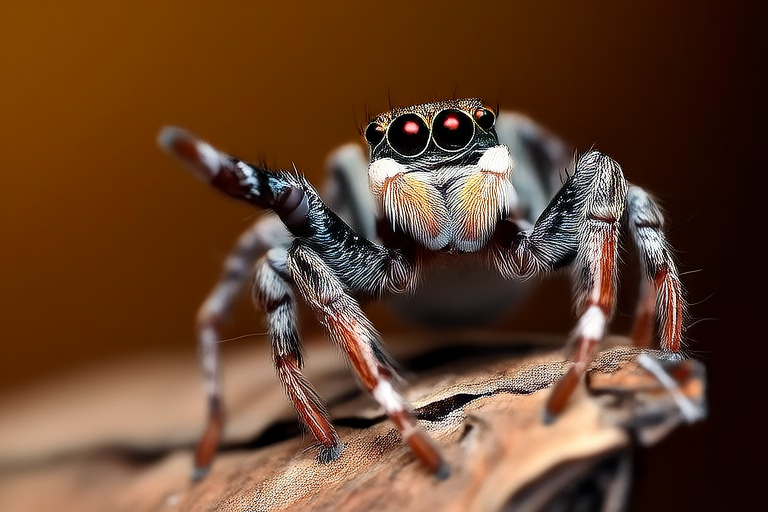
Tarantulas Unveiled: Myths, Facts, and Why They Make Unique Pets
Welcome to the world of tarantulas! These fascinating creatures have long been shrouded in mystery and misconceptions. Often portrayed as terrifying predators, tarantulas are actually gentle, intriguing animals that make excellent pets for those willing to learn more about them. This article aims to dispel common myths, provide factual information about their behavior, diet, habitat, and care requirements, and discuss why tarantulas can be considered unique pets.
Debunking Common Myths About Tarantulas
One of the most prevalent myths surrounding tarantulas is that they are aggressive and dangerous. In reality, tarantulas are generally shy and prefer to avoid confrontation. While they do possess venom, it is typically mild and comparable to a bee sting. Another myth is that all tarantulas are large and hairy. Although some species, like the Goliath birdeater, can grow quite large, many tarantulas are relatively small and compact. Additionally, not all tarantulas are covered in hair; some species have less noticeable setae.
Factual Information on Behavior, Diet, Habitat, and Care Requirements
Behavior: Tarantulas are solitary creatures that spend most of their time in burrows or webbed retreats. They are nocturnal, meaning they are most active during the night. Tarantulas are opportunistic hunters, relying on stealth and ambush tactics to catch prey. Their primary method of capturing food involves lying in wait for unsuspecting insects to pass by, at which point they strike with lightning speed.
Diet: The diet of a tarantula consists mainly of insects, though larger species may occasionally consume small vertebrates such as lizards or mice. Feeding a pet tarantula is straightforward; most owners offer crickets, mealworms, or dubia roaches. It’s important to ensure that the prey items are appropriately sized relative to the tarantula, as overfeeding can lead to health issues.
Habitat: In the wild, tarantulas inhabit a wide range of environments, from tropical rainforests to deserts. They require specific conditions to thrive in captivity, including appropriate substrate, hiding spots, and temperature and humidity levels. The enclosure should be spacious enough to allow the tarantula ample room to move around and establish its territory. Proper ventilation is also crucial to prevent mold growth and maintain air circulation.
Care Requirements: Caring for a tarantula involves maintaining optimal environmental conditions and providing regular feeding. Regular cleaning of the enclosure is necessary to remove waste and prevent the buildup of harmful bacteria. Additionally, monitoring the tarantula’s health is essential, as certain signs may indicate underlying issues. Some common health problems include mites, molting complications, and respiratory issues. Owners should consult a veterinarian specializing in exotic pets if they notice any concerning symptoms.
Why Tarantulas Can Be Considered Unique Pets
Tarantulas stand out as unique pets due to their low maintenance needs and fascinating characteristics. Unlike other exotic animals that demand constant attention or specialized facilities, tarantulas require minimal interaction and can live comfortably in a well-maintained enclosure. Their low maintenance makes them ideal for individuals who want to own an exotic pet without the extensive commitment associated with more demanding species.
Moreover, tarantulas possess several captivating traits that make them endlessly interesting. Their appearance varies greatly depending on the species, offering a wide array of colors, patterns, and textures. Many tarantulas display striking iridescent hues or intricate markings, making each individual truly one-of-a-kind. Another intriguing aspect of tarantulas is their ability to regenerate lost limbs through a process called autotomy. This remarkable adaptation allows them to shed damaged appendages and regrow them over time.
Tips for Potential Owners
Before embarking on the journey of owning a tarantula, prospective owners should consider several factors to ensure they can provide proper care. Firstly, research is paramount; understanding the specific needs of your chosen species will help you create an environment conducive to its well-being. Secondly, acquiring a healthy tarantula from a reputable breeder or supplier is crucial. Look for signs of vitality, such as fullness and activity level, when selecting your pet.
Handling a tarantula requires patience and caution. Always wash your hands before and after handling to prevent the transfer of oils or residues that could harm the tarantula. When picking up your tarantula, gently place your hand near its front legs and allow it to climb aboard. Avoid squeezing or pinching, as this can cause stress or injury. If your tarantula becomes agitated during handling, it may attempt to flick urticating hairs off its abdomen. While these hairs are harmless to humans, they can irritate sensitive areas, so it’s best to handle your tarantula with care.
Molting is another critical aspect of tarantula ownership. During this process, the tarantula sheds its exoskeleton, revealing a new, softer layer underneath. Owners should be prepared for this event, as molting can last several hours or even days. To facilitate a smooth molt, provide a humid hide or moisten the substrate slightly. After molting, avoid handling the tarantula until its new exoskeleton has hardened completely.
Lastly, remember that tarantulas are living beings deserving of respect and compassion. By educating yourself thoroughly and committing to responsible ownership, you can enjoy a rewarding relationship with these extraordinary creatures.
