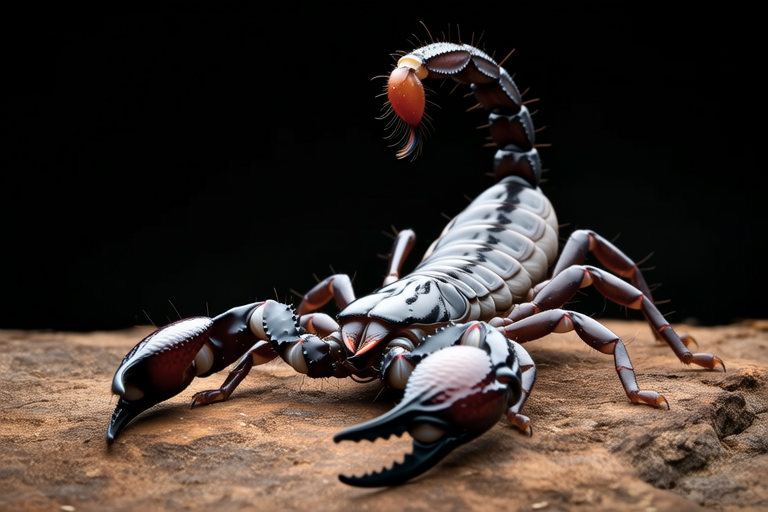
Top 10 Fascinating Facts About the Heterometrus spinifer That Will Blow Your Mind
The world of arachnids is vast and diverse, with each species offering unique insights into the natural world. Among these fascinating creatures is the Heterometrus spinifer, commonly known as the Malaysian red scorpion. This particular scorpion species has intrigued scientists and nature enthusiasts alike with its distinctive physical attributes, intriguing behaviors, and ecological roles. In this article, we delve into ten captivating facts about the Heterometrus spinifer that will leave you amazed.
1. Distinctive Physical Features
The Heterometrus spinifer is easily recognizable due to its striking red coloration, which serves as both a warning signal to potential predators and a means of camouflage in its natural habitat. The body length of this scorpion ranges from 7 to 10 centimeters, making it one of the larger scorpion species found in Southeast Asia. One of the most remarkable features of the Heterometrus spinifer is its pair of pectines, sensory organs located on the underside of the abdomen. These structures are highly sensitive and assist the scorpion in detecting vibrations and chemicals in its environment.
2. Geographical Distribution
Native to the tropical rainforests of Southeast Asia, particularly Malaysia, Thailand, and Indonesia, the Heterometrus spinifer thrives in humid environments characterized by dense vegetation and high rainfall. These conditions provide ample hiding spots and prey, essential for the survival of this nocturnal predator. Interestingly, while the Heterometrus spinifer prefers forested areas, it can also be found in human settlements, adapting to urban environments where it preys on insects attracted to artificial lighting.
3. Venom Composition and Potency
The venom of the Heterometrus spinifer contains a complex mixture of neurotoxins and enzymes designed to immobilize prey and facilitate digestion. Despite its potent composition, the venom is generally considered non-lethal to humans, although it can cause significant pain, swelling, and localized tissue damage. Recent studies have highlighted the potential medical applications of scorpion venom, particularly in the development of new pain management drugs and treatments for neurological disorders.
4. Hunting Techniques
As a nocturnal hunter, the Heterometrus spinifer employs stealth and ambush tactics to capture prey. Using its powerful pedipalps (claws) and stinger, it can swiftly subdue insects, small vertebrates, and even other arachnids. The scorpion’s keen senses, including its pectines and specialized eyes, allow it to navigate through the darkness and detect movement with remarkable precision. Once prey is within reach, the Heterometrus spinifer delivers a paralyzing sting, injecting venom directly into the victim’s nervous system.
5. Reproduction and Lifespan
The reproductive cycle of the Heterometrus spinifer is both fascinating and complex. Males engage in elaborate courtship rituals involving complex leg movements and chemical signals to attract females. After mating, the female carries the fertilized eggs internally until they hatch into tiny, fully formed juveniles. This viviparous mode of reproduction ensures higher survival rates compared to egg-laying species. On average, a Heterometrus spinifer can live up to five years, during which time it undergoes several molts to replace its exoskeleton and grow.
6. Social Behavior
Contrary to popular belief, scorpions are not solitary creatures but exhibit varying degrees of social behavior depending on environmental factors. While adult Heterometrus spinifer
