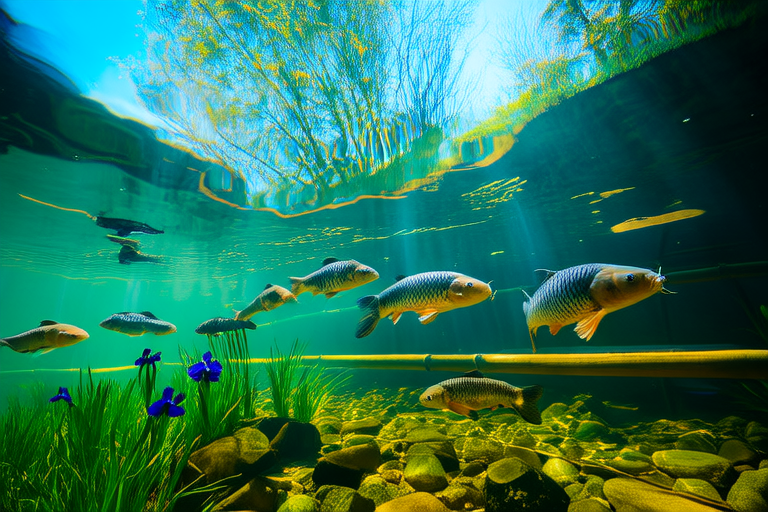
Koi Dreams: How to Create an Ideal Pond Habitat for Your Koi
Creating the perfect habitat for your koi is a rewarding endeavor that requires careful planning and attention to detail. This guide will walk you through the essential elements of building an ideal pond for your koi, including pond size, depth, filtration systems, water quality maintenance, beneficial plants, shading solutions, and koi nutrition. We’ll also cover seasonal care, common mistakes to avoid, and how to ensure a safe environment free from predators. Regular monitoring and adjustments are crucial for optimal koi health and happiness.
Pond Size and Depth
The size and depth of your pond play a critical role in providing adequate space for your koi to thrive. A general rule of thumb is to have at least 100 gallons of water per inch of fish. For example, if you plan to have 10-inch koi, you’ll need a minimum of 1,000 gallons of water per fish. Depth is equally important; a depth of at least 3 feet is recommended to prevent overheating during summer and freezing during winter.
Filtration Systems
A robust filtration system is essential for maintaining clean, healthy water. There are three main types of filtration: mechanical, biological, and chemical. Mechanical filters remove large debris, while biological filters support beneficial bacteria that break down harmful ammonia and nitrite. Chemical filtration helps control pH levels and removes toxins. Ensure your filtration system is appropriately sized for your pond volume and number of koi.
Water Quality Maintenance
Maintaining optimal water quality is vital for koi health. Regular testing of pH, ammonia, nitrite, and nitrate levels is necessary. Use a water testing kit to monitor these parameters weekly. Adjustments can be made using pH buffers or other water conditioners as needed. Additionally, regular partial water changes (about 10% weekly) help maintain water clarity and nutrient balance.
Beneficial Plants
Incorporating aquatic plants into your pond provides numerous benefits. Plants offer shade, oxygenate the water, and provide hiding spots for koi. Some popular choices include water lilies, lotus, and hornwort. These plants also help absorb excess nutrients, reducing algae growth. Ensure a balance between submerged and floating plants to maximize benefits.
Shading Solutions
Shading your pond is crucial to prevent excessive algae growth and overheating. Natural shading from trees or artificial structures like umbrellas or floating canopies can be effective. Aim for at least 50% shade coverage during peak sunlight hours. Shading also reduces stress on your koi, promoting healthier, more vibrant colors.
Koi Nutrition
Feeding your koi a balanced diet is key to their overall health. High-quality koi pellets formulated with protein, vitamins, and minerals are ideal. Feed them small amounts several times a day rather than one large meal. Adjust feeding based on water temperature; reduce feedings when temperatures drop below 50°F (10°C) and increase when they rise above 70°F (21°C).
Seasonal Care
Seasonal care involves adapting your pond management practices to changing weather conditions. In spring, check and clean filters, test water quality, and introduce new plants. Summer requires vigilant monitoring of water temperature and frequent water changes to combat algae blooms. Fall involves preparing for colder months by deepening the pond and ensuring proper insulation. Winter demands checking for ice formation and maintaining oxygen levels through aeration.
Common Mistakes to Avoid
Several common mistakes can jeopardize the health of your koi. Overfeeding leads to poor water quality and obesity. Insufficient filtration results in dirty water and increased stress. Ignoring water quality parameters can cause harmful spikes in ammonia and nitrite levels. Neglecting seasonal care leaves your koi vulnerable to environmental changes.
Safety from Predators
Protecting your koi from predators is paramount. Netting or fencing around the pond deters birds and mammals. Secure the pond with a protective cover or net during nightfall when nocturnal predators are active. Consider adding motion-sensitive lights or sprinklers near the pond’s perimeter to scare off potential threats.
Regular Monitoring and Adjustments
Regular monitoring and adjustments are necessary to ensure your koi remain healthy and happy. Daily observations of water clarity, koi behavior, and plant health provide early warnings of potential issues. Weekly water tests and filter checks allow for timely interventions. Seasonal adjustments, such as increasing filtration capacity or adding supplemental heating, enhance the longevity and well-being of your koi.
By following these guidelines, you can create an ideal pond habitat for your koi, ensuring they live long, healthy lives filled with joy and color. Remember, a well-maintained pond not only benefits your koi but also enhances the beauty of your outdoor space.
