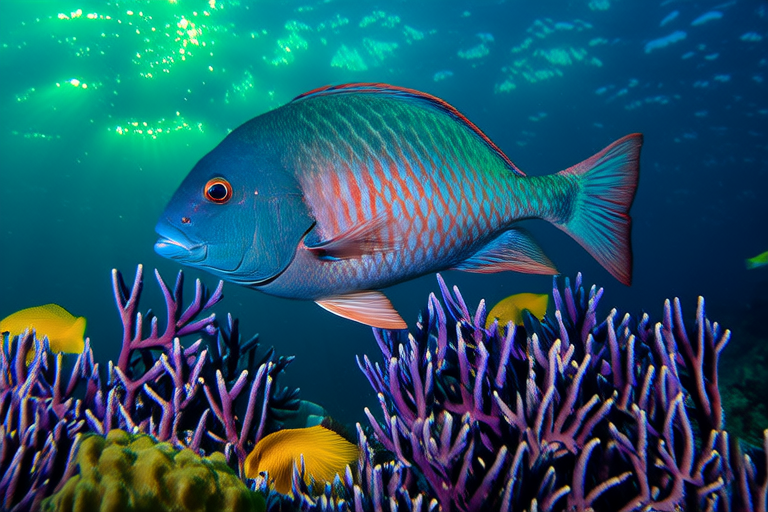
The Fascinating World of Parrotfish: Guardians of Coral Reefs
Parrotfish, with their vibrant colors and distinct physical characteristics, are among the most captivating inhabitants of coral reefs. These remarkable creatures play a crucial role in maintaining the health and balance of these underwater ecosystems. This article delves into the unique behaviors, ecological roles, and cultural significance of parrotfish, providing insights that will engage both marine enthusiasts and general readers.
Ecological Roles and Coral Health Maintenance
Parrotfish are essential to the well-being of coral reefs. Their primary diet consists of algae, which they scrape from coral surfaces using their powerful beaks. This feeding habit not only provides them with sustenance but also helps prevent the overgrowth of algae that can smother and kill corals. By keeping algae populations in check, parrotfish indirectly promote the growth of healthy coral polyps, contributing to the overall resilience of the reef ecosystem.
In addition to their dietary habits, parrotfish contribute to reef health through their excretions. The sand they produce after digesting coral rock is vital for the formation of sandy beaches. This process, known as biogenic sediment production, ensures that beaches remain stable and protect coastlines from erosion.
Vibrant Colors and Distinct Physical Characteristics
Parrotfish exhibit a stunning array of colors and patterns that vary by species and age. Juvenile parrotfish often have muted tones, which gradually evolve into more vibrant hues as they mature. Adult males, in particular, display striking colorations that serve both as camouflage and to attract mates. Their beak-like mouths are uniquely adapted for grazing on algae, while their large scales offer protection against predators.
One of the most fascinating aspects of parrotfish biology is their ability to change sex. Many species begin life as females and later transition into males. This phenomenon, known as sequential hermaphroditism, ensures genetic diversity within populations and helps maintain stable breeding groups.
Feeding Habits, Reproduction, and Migration Patterns
Parrotfish are primarily herbivorous, feeding on various types of algae that grow on coral surfaces. They possess specialized teeth arranged in rows that resemble a parrot’s beak, allowing them to efficiently scrape off algae without damaging the underlying coral structure. This feeding method also contributes to the creation of small cavities in coral skeletons, which can eventually lead to the formation of new coral colonies.
Reproduction in parrotfish involves complex rituals and behaviors. Males establish territories and engage in elaborate courtship displays to attract females. After mating, females release eggs into the water column, where they are fertilized by sperm released by males. The resulting larvae drift with ocean currents before settling on suitable habitats to continue their development.
Migratory patterns of parrotfish are influenced by factors such as water temperature, food availability, and reproductive cycles. Some species undertake seasonal migrations between feeding grounds and breeding sites, while others remain relatively stationary throughout their lives. Understanding these movements is crucial for effective conservation efforts aimed at protecting these vital reef inhabitants.
Cultural Significance and Historical Use as Food
Across many cultures, parrotfish hold significant cultural value. In Polynesia, they are considered sacred animals associated with fertility and prosperity. Traditional fishing practices often incorporate rituals and taboos related to catching or consuming parrotfish, reflecting the deep respect held for these creatures.
Historically, parrotfish have been an important food source for coastal communities worldwide. Their flesh is highly nutritious and rich in omega-3 fatty acids, making it a valuable dietary component. However, overfishing and habitat destruction pose serious threats to parrotfish populations, highlighting the need for sustainable management strategies.
Challenges Due to Environmental Changes
The survival of parrotfish populations is increasingly threatened by human activities and environmental changes. Rising sea temperatures, ocean acidification, and pollution all impact coral reefs, reducing available habitat and food sources for parrotfish. Additionally, destructive fishing practices like blast fishing and cyanide poisoning further exacerbate these challenges.
Conservation efforts focus on protecting critical habitats, regulating fishing practices, and promoting awareness about the importance of preserving parrotfish populations. Initiatives such as marine protected areas (MPAs) provide safe havens where parrotfish can thrive, helping to ensure the long-term viability of these vital reef inhabitants.
Conclusion
Parrotfish are truly remarkable creatures whose beauty and ecological importance cannot be overstated. Through their unique behaviors, vibrant colors, and essential roles in maintaining coral health, these fish embody the intricate relationships that define coral reef ecosystems. As we continue to explore and understand the world beneath the waves, it becomes increasingly clear that safeguarding parrotfish populations is vital for the preservation of our oceans’ biodiversity and the benefits they provide.
