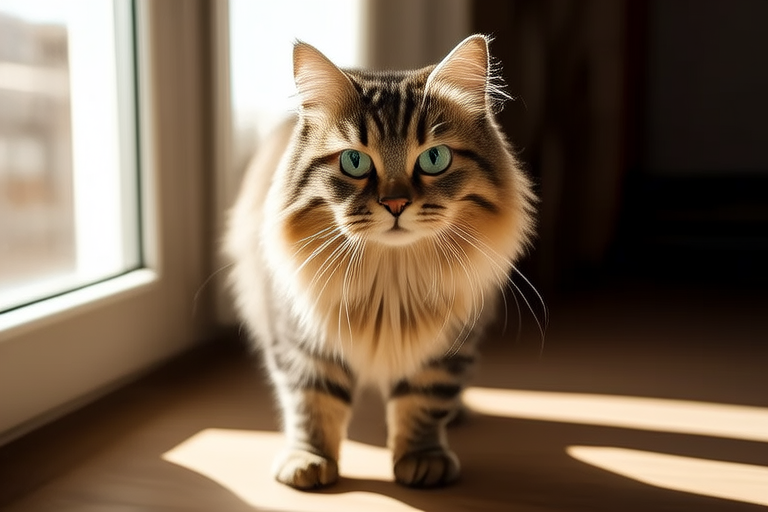
Living with a Turkish Angora: Tips from Devoted Owners
The Turkish Angora is a captivating and elegant breed of cat that has been cherished for centuries. Known for their striking appearance and unique personality, these cats have a long history of being pampered by royalty. If you’re considering adopting a Turkish Angora or already have one in your life, this guide will provide you with valuable insights into their care and behavior.
Understanding the Turkish Angora
Turkish Angoras are medium-sized cats with a graceful and slender build. Their most distinguishing feature is their luxurious coat, which can come in a variety of colors including white, black, red, and even a rare blue. They have large, pointed ears and strikingly beautiful eyes, often in unusual combinations like green and blue.
One of the most remarkable traits of Turkish Angoras is their exceptional agility. These cats are known for their acrobatic skills, making them excellent climbers and jumpers. Their playful nature often leads them to engage in activities that require dexterity, such as chasing toys or climbing onto high shelves. Their intelligence also shines through in their ability to learn tricks and respond to commands, making them a joy to train.
Another notable characteristic of the Turkish Angora is their vocal nature. These cats are not shy about expressing themselves and may meow frequently to communicate their needs or simply to engage with their human companions. While some might find this constant communication overwhelming, it is part of what makes Turkish Angoras such interactive and loving pets.
Grooming Your Turkish Angora
Despite their luxurious coats, Turkish Angoras are relatively low-maintenance when it comes to grooming. Their single-layered fur does not mat easily, but regular brushing is still recommended to keep their coat shiny and healthy. A weekly brushing session can help remove loose hair and prevent hairballs, especially during shedding seasons.
Bathing is generally unnecessary unless the cat gets particularly dirty or has a medical condition that requires it. When bathing, use a gentle shampoo designed for cats and be sure to rinse thoroughly to avoid any residue. It’s important to handle your Turkish Angora gently during grooming sessions to ensure they remain calm and comfortable.
Dietary Needs and Nutrition
Providing a balanced diet is crucial for maintaining the health and vitality of your Turkish Angora. High-quality commercial cat food that meets their nutritional needs is usually sufficient, but it’s always a good idea to consult with your veterinarian to determine the best diet for your specific cat.
Ensure that your cat has access to fresh water at all times, and consider providing wet food occasionally to increase their water intake. Wet food can also be beneficial for cats who are prone to urinary tract issues, as it helps keep them well-hydrated.
It’s important to monitor your cat’s weight and adjust their food intake accordingly. Obesity can lead to a range of health problems, so maintaining a healthy weight is key. Regular weigh-ins and consultations with your vet can help you manage your cat’s diet effectively.
Exercise Requirements
Turkish Angoras are highly active cats that require plenty of mental and physical stimulation. Providing them with a variety of toys and climbing structures can help satisfy their need for exercise and prevent boredom. Puzzle feeders and interactive toys that encourage problem-solving can also be great ways to engage their minds.
Regular playtime with your Turkish Angora is essential. This not only helps them stay fit but also strengthens the bond between you and your cat. Interactive play sessions using laser pointers, feather wands, or other toys can be both fun and beneficial for their well-being.
Common Health Issues
While Turkish Angoras are generally healthy cats, there are a few health issues that owners should be aware of. One of the most common concerns is hypertrophic cardiomyopathy (HCM), a heart condition that can affect many breeds of cats. Regular veterinary check-ups, including heart screenings, can help detect this issue early.
Another concern is patellar luxation, a condition where the kneecap dislocates. This can cause discomfort and mobility issues. Early intervention and proper management are crucial if your cat develops this condition.
Eye issues, particularly those related to their unique eye color combinations, can also be a concern. Regular visits to the vet and prompt treatment of any eye infections can help maintain your cat’s vision.
Personal Experiences and Tips from Owners
Many owners of Turkish Angoras share stories of how these cats have become integral parts of their families. Sarah, a devoted owner, recounts how her Turkish Angora, Luna, has brought joy and companionship into her home. “Luna is always up for a game of fetch,” Sarah says. “She loves chasing after toys and seems to never tire of our play sessions.”
Another owner, John, emphasizes the importance of socialization. “From a young age, we made sure to introduce Luna to different environments and people,” he explains. “This has helped her become a confident and friendly cat, comfortable in various settings.”
Adopting a Turkish Angora can be a rewarding experience, but it’s important to be prepared for the commitment. Patience and understanding are key, as every cat has its own unique personality and quirks. By providing a loving home, regular care, and lots of attention, you can ensure that your Turkish Angora lives a happy and healthy life.
Conclusion
The Turkish Angora is a breed of cat that combines beauty, intelligence, and charm, making them a delightful addition to any household. With their agile bodies, intelligent minds, and expressive personalities, these cats offer endless entertainment and companionship. By understanding their unique needs and providing proper care, you can ensure that your Turkish Angora thrives in your home.
If you’re considering adopting a Turkish Angora, take the time to research and prepare for the responsibilities involved. Speak with veterinarians, visit shelters, and connect with other owners to gain insight and support. With dedication and love, you’ll find that living with a Turkish Angora is a truly enriching experience.
