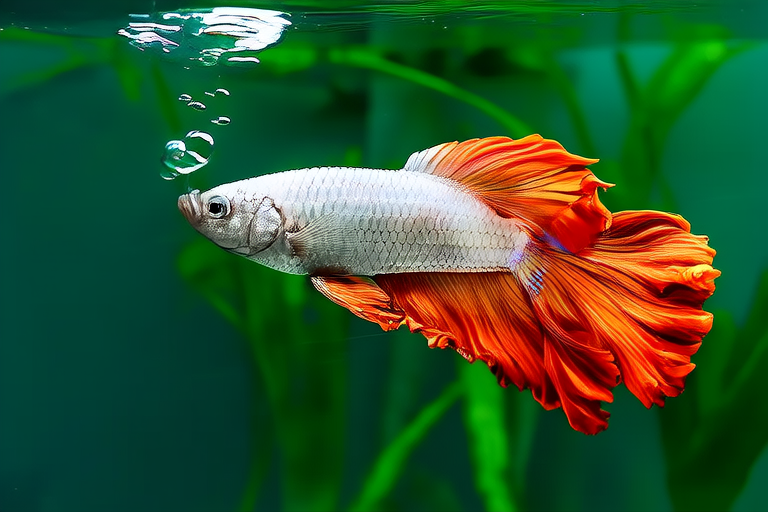
Goldfish Behavior Decoded: What Their Actions Mean
Welcome to the fascinating world of goldfish behavior! These vibrant creatures, often seen as simple pets, exhibit a wide range of behaviors that can tell us much about their health, mood, and environment. Understanding these behaviors is crucial for providing optimal care and ensuring your goldfish lead happy, healthy lives. This article will guide you through deciphering the common behaviors of goldfish observed in home aquariums, offering insights into their swimming patterns, eating habits, and responses to stimuli. We’ll also provide tips on addressing sudden behavioral changes and maintaining a healthy habitat.
Common Behaviors of Goldfish in Home Aquariums
Goldfish are active swimmers, often darting around the tank, and they may appear to be playing hide-and-seek with their tankmates. This activity level can vary depending on the time of day, the presence of food, and environmental factors. They frequently swim in groups, a behavior that mimics their schooling tendencies in the wild, which is essential for their social well-being.
One of the most noticeable behaviors is their feeding response. Goldfish are voracious eaters and will often compete for food, sometimes even gulping air from the surface if food is scarce. This behavior can indicate hunger or stress, especially if it becomes more pronounced over time. Another common behavior is their tendency to explore their surroundings, which can involve nudging objects or plants with their noses.
The Significance of Understanding Goldfish Behaviors
Understanding goldfish behaviors is vital for their well-being. By observing their actions, you can identify potential health issues early on and make necessary adjustments to their environment. For instance, lethargy or a lack of appetite could signal illness, while aggressive behavior towards tankmates might suggest overcrowding or competition for resources.
Moreover, recognizing these behaviors can help you create a more stimulating and enriching environment for your goldfish. This includes providing adequate space, suitable companions, and interesting decor that encourages exploration and interaction.
Decoding Specific Goldfish Actions
Swimming Patterns
Normal swimming involves a steady, smooth motion. However, if your goldfish exhibits unusual swimming patterns, such as floating upside down, swimming erratically, or gasping at the water’s surface, it could indicate a problem. Floating upside down is often associated with swim bladder disorders, which can result from overfeeding or constipation. Erratic swimming may point to stress, injury, or poor water quality.
Gasping at the surface is typically a sign of low oxygen levels in the water, which can occur due to insufficient aeration or high temperatures. Addressing these issues promptly can prevent further complications and improve your goldfish’s health.
Eating Habits
Goldfish have distinct eating habits that can reveal a lot about their condition. They usually feed enthusiastically and can consume large quantities of food. However, a change in eating habits, such as reduced appetite or refusal to eat, can indicate health problems. Overeating can lead to obesity and swim bladder issues, while under-eating might suggest stress or illness.
To maintain a balanced diet, offer a variety of foods, including flakes, pellets, and occasional treats like vegetables. Avoid overfeeding, as excess food can deteriorate water quality and lead to digestive issues.
Responses to Stimuli
Goldfish are sensitive to their surroundings and react to various stimuli. They may become more active when lights are turned on, indicating their circadian rhythm. Conversely, they might retreat to hiding spots when startled by loud noises or sudden movements. This behavior is normal but can escalate if the environment becomes too stressful.
Interactions with tankmates can also provide insights into their social dynamics. Peaceful coexistence suggests a harmonious environment, while aggression or bullying can indicate overcrowding or territorial disputes. It’s essential to monitor these interactions and intervene if necessary.
Tips for Interpreting Sudden Changes in Behavior
Sudden changes in behavior can be alarming, but they don’t always indicate serious problems. However, it’s important to investigate any new behaviors promptly to rule out underlying issues.
If your goldfish suddenly becomes less active or shows signs of distress, check the water parameters first. High ammonia or nitrite levels can cause discomfort and illness. Regular water testing and maintenance are crucial for preventing these issues.
Changes in appetite can be due to dietary preferences or seasonal variations. However, persistent changes might indicate health concerns. In such cases, consult a veterinarian specializing in aquatic animals for professional advice.
Finally, observe the tank’s overall condition. Are there signs of algae growth or debris buildup? Addressing these issues can improve water quality and reduce stress on your goldfish.
Maintaining a Healthy Habitat for Natural and Positive Behaviors
Creating a healthy habitat is key to ensuring natural and positive behaviors in goldfish. Start by providing ample space; goldfish need at least 20 gallons per fish. Overcrowding can lead to stress and health issues. Additionally, ensure proper filtration and aeration to maintain good water quality.
Incorporate hiding spots and decorations that encourage exploration. Plants, caves, and driftwood can provide stimulation and security. These elements are especially important for goldfish, which are curious and enjoy interacting with their environment.
Lastly, establish a consistent routine for feeding and maintenance. Goldfish thrive on predictability, and a stable environment can promote healthy behaviors and reduce stress.
Conclusion
Understanding goldfish behaviors can significantly enhance their care and welfare. By observing their swimming patterns, eating habits, and responses to stimuli, you can gain valuable insights into their health and happiness. Recognizing sudden changes in behavior and addressing potential issues promptly can prevent serious problems. Maintaining a healthy habitat with ample space, proper filtration, and enriching decor can ensure natural and positive behaviors in your goldfish. With this knowledge, you’re well-equipped to provide the best possible care for your aquatic companions.
