The Unique Appeal of Munchkin Cats: Why These Short-Legged Charmers Go Viral
There’s something undeniably charming about the Munchkin cat. With their disproportionately short legs, they look like they’ve been plucked straight from a whimsical fairytale. But it’s not just their appearance that captures hearts; these cats are also known for their playful and affectionate personalities. This article delves into the unique appeal of Munchkin cats, exploring their distinctive physical traits, their genetic background, and why they’ve become a sensation online.
Distinctive Physical Traits
Munchkin cats are perhaps best known for their short legs, a trait that sets them apart from most other feline breeds. Their legs are typically half the length of those of a standard cat, giving them a unique and unmistakable appearance. This characteristic is the result of a genetic mutation that affects the growth of the long bones in their legs. The mutation is autosomal dominant, meaning that only one copy of the gene is needed for the trait to be expressed. This makes Munchkin cats incredibly unique and rare.
Despite their short legs, Munchkin cats are surprisingly agile. They can run at high speeds, jump impressively, and even climb trees, albeit with a slightly different technique than their long-legged counterparts. Their paws are larger than average, providing them with better balance and traction. Their bodies are usually slender and muscular, which helps them move efficiently despite their shorter limbs. Their coat comes in a variety of colors and patterns, adding to their overall uniqueness.
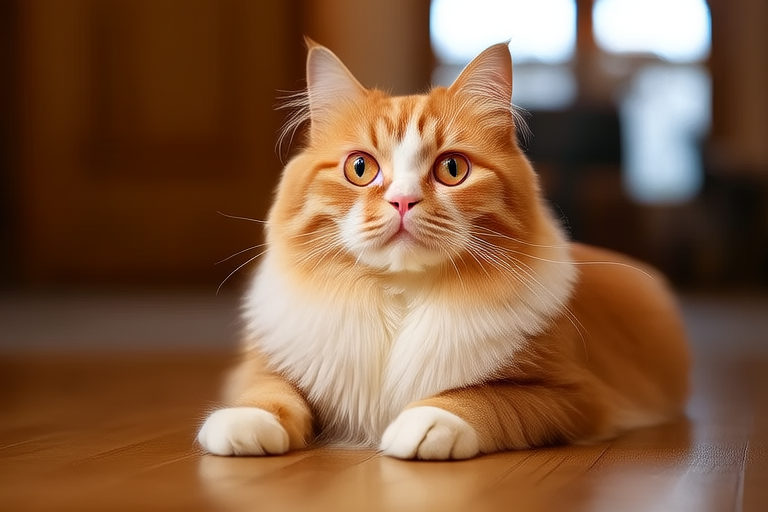
Their short stature doesn’t just stop at their legs. Munchkins have relatively small heads and large, expressive eyes that give them a perpetually curious and alert look. Their ears are medium-sized and slightly rounded at the tips, contributing to their overall adorable appearance. Their whiskers are often longer than those of other cats, giving them a whimsical and almost cartoonish look. This combination of features has made Munchkin cats a favorite among cat enthusiasts and internet users alike.
Playful and Affectionate Nature
Beyond their distinctive looks, Munchkin cats are renowned for their playful and affectionate nature. They are highly social animals that thrive on interaction with their human companions. Munchkins are known to be particularly good with children, making them excellent family pets. Their playful demeanor is a result of their high energy levels and curiosity. They love to explore their surroundings and will often engage in games with their owners, whether it’s chasing a toy or playing hide-and-seek around the house.
One of the most endearing qualities of Munchkin cats is their affectionate nature. They enjoy being petted and will often seek out attention from their owners. They are known to be very vocal, often meowing to communicate their needs or simply to express their joy. Their purring can be incredibly soothing, making them ideal companions for those seeking comfort and companionship.
Anecdotes from Munchkin cat owners reveal how these cats have become integral parts of their families. One owner shared that her Munchkin cat, named Whiskers, would follow her around the house, always seeking to be near her. Another owner mentioned that her Munchkin, Buttons, would play fetch with a small ball, showing off its agility and speed. These stories highlight the unique bond that Munchkin cats form with their owners, making them beloved pets.
Scientific Insights About Their Genetics
The genetic mutation responsible for the short legs of Munchkin cats is called the Munchkin gene. It was first identified in the 1980s when a black and white female cat named Blackberry was found to have short legs. She was later bred with a male cat, producing offspring with similar leg lengths. Over time, the breed was developed through selective breeding, leading to the Munchkin cats we know today.
While the Munchkin gene is responsible for the short legs, it is important to note that it is also associated with certain health risks. The gene can cause spinal problems such as lordosis (an abnormal curvature of the spine) and pectus excavatum (a deformity of the chest wall). However, not all Munchkin cats develop these conditions, and many live healthy lives without any issues. Responsible breeding practices and regular veterinary check-ups can help minimize the risk of these health problems.
Geneticists and veterinarians continue to study the Munchkin gene to better understand its effects on the cats’ health and well-being. Research has shown that the gene is present in both homozygous and heterozygous forms. Homozygous Munchkins, who inherit two copies of the gene, tend to have more severe skeletal deformities and a shorter lifespan. Heterozygous Munchkins, who inherit one copy of the gene, tend to have milder symptoms and a longer life expectancy. This information is crucial for breeders and owners to make informed decisions about the care and breeding of Munchkin cats.
Comparisons with Other Cat Breeds
Munchkin cats stand out from other cat breeds due to their unique physical traits and playful nature. While many cat breeds are known for their elegance or hunting prowess, Munchkin cats offer a distinct blend of charm and playfulness. They are often compared to other popular breeds like the Siamese, Persian, and Maine Coon, each of which has its own set of characteristics.
The Siamese cat is known for its striking blue eyes and vocal nature, while the Persian cat is prized for its luxurious coat and gentle demeanor. The Maine Coon, on the other hand, is famous for its large size and friendly personality. While these breeds have their own unique qualities, they lack the distinctive short legs and playful antics of the Munchkin cat. This makes Munchkin cats a standout choice for those looking for a truly unique pet.
When compared to other short-legged breeds like the Cymric and the Manx, Munchkin cats still hold their own. The Cymric and Manx cats, which are related to the Munchkin, also have short legs but differ in their tail lengths. Cymrics have full tails, while Manx cats have either no tail or a stubby one. Munchkin cats, on the other hand, have full-length tails, which adds to their unique appearance. Additionally, Munchkin cats are known for their higher energy levels and playful nature, setting them apart from their relatives.
Potential Health Considerations
While Munchkin cats are generally healthy, there are some potential health considerations that owners should be aware of. As mentioned earlier, the Munchkin gene can cause spinal problems, including lordosis and pectus excavatum. These conditions can lead to discomfort and mobility issues, so regular veterinary check-ups are essential for early detection and treatment.
Owners should also be mindful of the cats’ weight and activity levels. Because of their short legs, Munchkin cats may be prone to obesity if they don’t get enough exercise. Providing plenty of toys and opportunities for play can help keep them active and healthy. A balanced diet rich in nutrients is also important for maintaining their overall health.
In addition to physical health, mental stimulation is crucial for Munchkin cats. Their playful nature means they need plenty of mental challenges to keep them engaged. Puzzle toys, interactive feeders, and training sessions can help keep their minds sharp and prevent boredom-related behaviors such as scratching or chewing.
Why They Go Viral Online
Munchkin cats have become a sensation online, with countless videos and images of these charming creatures going viral. Their unique appearance, combined with their playful and affectionate nature, makes them irresistible to internet users. Social media platforms like Instagram, TikTok, and YouTube are filled with posts featuring Munchkin cats, often accompanied by heartwarming captions or humorous sound bites.
One reason for their viral popularity is their relatability. Many people find themselves drawn to Munchkin cats because they remind them of childhood stories or fairytales. Their short legs and oversized paws evoke images of mythical creatures, making them feel magical and special. This connection to fantasy and imagination resonates with many viewers, who share these posts with others, further spreading the word about Munchkin cats.
Another factor contributing to their viral success is the way they interact with their owners. Videos of Munchkin cats playing with their humans, cuddling, or engaging in funny antics often go viral because they showcase the strong bond between the cats and their caregivers. These moments of connection and affection resonate with viewers, who appreciate the warmth and love shared in these videos.
Moreover, the internet thrives on novelty and uniqueness, and Munchkin cats certainly fit the bill. Their distinctive appearance and playful behavior make them stand out in a sea of cat content. People are constantly searching for new and exciting things to watch or read, and Munchkin cats provide just that. Their quirky looks and amusing antics are sure to bring smiles and laughter to anyone who encounters them online.
Conclusion
The unique appeal of Munchkin cats lies in their distinctive physical traits, playful and affectionate nature, and the reasons behind their viral popularity online. From their short legs and large paws to their high energy levels and strong bonds with their owners, Munchkin cats offer a delightful blend of charm and uniqueness. While there are potential health considerations to be aware of, responsible breeding practices and attentive care can help ensure that these cats live happy, healthy lives.
Munchkin cats have captured the hearts of cat lovers worldwide, and their presence in the digital realm continues to grow. Whether you’re a seasoned cat enthusiast or a newcomer to the world of felines, there’s no denying the special place that Munchkin cats hold in the hearts of many. Their ability to bring joy and laughter to our lives is a testament to their enduring appeal.
