Rajah Cichlids: A Comprehensive Guide
Rajah Cichlids, also known as Aequidens rivulatus, are captivating freshwater fish species native to the Amazon River basin. They are distinguished by their vibrant coloration, intriguing social dynamics, and specific care requirements. This guide delves into the unique behaviors, care instructions, lesser-known facts, and dispels common myths about Rajah Cichlids.
Vibrant Coloration
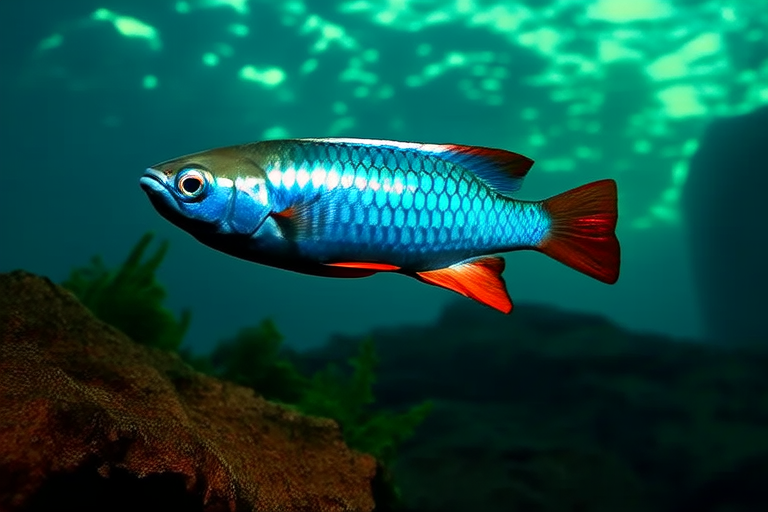
Rajah Cichlids are renowned for their striking appearance. Males exhibit a deep blue body with a red tail and fins, while females display more subdued hues. The males’ vivid coloring intensifies during spawning, making them even more visually appealing. Their colors serve as both a form of communication and a defense mechanism against predators. In aquarium settings, the right lighting can enhance their natural beauty, creating a mesmerizing spectacle.
Social Dynamics
Rajah Cichlids are semi-aggressive and territorial, especially towards other cichlid species. In an aquarium, they thrive in groups of six or more, which helps reduce aggression among individuals. However, they require ample space to establish territories. Providing hiding spots such as caves, driftwood, and plants can mitigate stress and promote peaceful coexistence. It’s crucial to introduce all fish simultaneously to prevent bullying and dominance hierarchies.
Dietary Preferences
These fish are omnivorous, meaning they consume both plant matter and small aquatic organisms. In captivity, a balanced diet of high-quality flakes, pellets, and occasional live or frozen foods like brine shrimp and bloodworms is recommended. Feeding them twice daily ensures optimal health and growth. Overfeeding can lead to water quality issues and obesity, so it’s essential to monitor portion sizes carefully.
Environmental Factors
The activity levels of Rajah Cichlids are influenced by various environmental factors, including temperature, pH, and lighting. Maintaining a consistent temperature between 75°F and 82°F (24°C and 28°C) and a pH level around 6.0 to 7.5 is vital. Regular water changes and filtration systems help keep the water clean and oxygenated, promoting active behavior. Additionally, providing sufficient swimming space and enriching the environment with decor can encourage exploration and playfulness.
Breeding Habits
Rajah Cichlids are substrate-spawning fish, meaning they lay their eggs on flat surfaces like rocks or plates. To induce breeding, increase the water temperature slightly and ensure the presence of suitable spawning sites. During spawning, the female lays eggs, which the male fertilizes. Both parents guard the eggs until they hatch and continue to protect the fry for several weeks. Ensuring a well-maintained tank with proper water parameters and hiding spots for the fry is crucial for successful breeding.
Maintaining a Healthy Tank Environment
To bring out the best in Rajah Cichlids, maintain a tank size of at least 55 gallons with plenty of hiding spots and open swimming areas. Use a robust filtration system and perform regular water changes to keep the environment clean. Monitor water parameters closely and address any issues promptly to prevent stress and disease. Providing a varied diet and maintaining stable conditions will contribute to their overall well-being.
Myths and Misconceptions
One common myth is that Rajah Cichlids are aggressive towards all tank mates. While they can be territorial, introducing compatible species in groups can mitigate this behavior. Another misconception is that they require minimal care due to their hardiness. Proper maintenance and attention to their specific needs are essential for their longevity and happiness.
Scientific Explanations
The vibrant coloration of Rajah Cichlids is linked to pigments in their skin cells called chromatophores. These cells expand or contract depending on environmental stimuli, influencing the intensity and pattern of their colors. Their social behaviors are driven by hormones and pheromones, which play a significant role in establishing territories and attracting mates.
In conclusion, Rajah Cichlids are fascinating fish with unique behaviors and care requirements. Understanding their vibrant coloration, social dynamics, dietary preferences, and environmental influences can help create a thriving aquarium environment. By addressing common myths and misconceptions and providing scientific explanations, we can better appreciate these captivating creatures and ensure their well-being in captivity.
