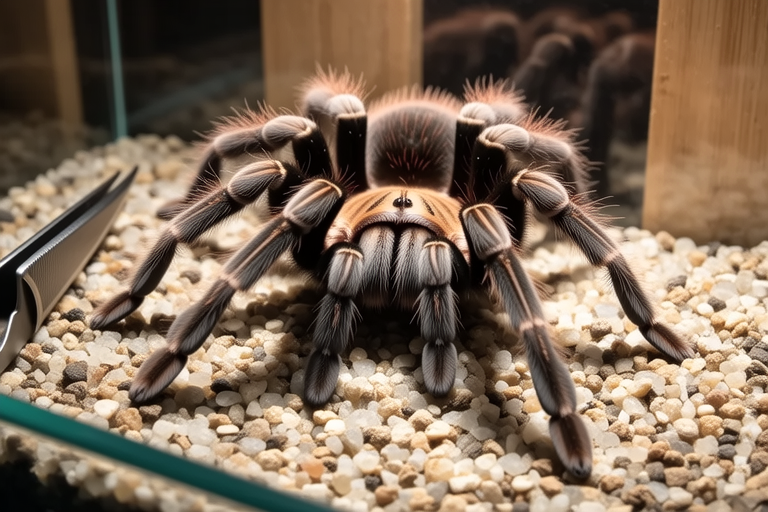
Chilean Rose Tarantula Care Guide: Everything You Need to Know in 2024
Welcoming a Chilean Rose Tarantula (Grammostola rosea) into your home can be a rewarding experience for beginner to intermediate tarantula keepers. Known for their docile temperament, striking appearance, and relatively low maintenance needs, these spiders are one of the most popular species among hobbyists. This comprehensive care guide covers all essential aspects of keeping your Chilean Rose Tarantula healthy and happy in 2024, based on current best practices and scientific understanding.
Natural Habitat and Behavior
The Chilean Rose Tarantula is native to the arid grasslands and scrub regions of central and southern Chile, with some populations extending into parts of Argentina. In the wild, they live in burrows they dig in soft soil or under rocks, using them as shelter from predators and extreme temperatures.
These tarantulas are primarily nocturnal, spending much of the day hidden underground. They are generally slow-moving and calm, which contributes to their reputation as excellent beginner pets. While not aggressive by nature, they will defend themselves if threatened—primarily through urticating hairs (fine, barbed hairs that irritate skin and eyes), kicking them off with their hind legs.
Despite their name, Chilean Roses are not true roses; the name refers to their reddish-brown coloration, which can vary from deep maroon to lighter copper tones. Juveniles often have more vibrant coloring than adults, and their patterns may fade over time.
Ideal Enclosure Setup
Enclosure Size
For adult Chilean Rose Tarantulas, a minimum enclosure size of 10 gallons (approximately 40 liters) is recommended. However, a 15–20 gallon tank provides ample room for natural behaviors and reduces stress. The enclosure should be wider rather than taller since these spiders are ground-dwellers and prefer horizontal space over vertical climbing opportunities.
Substrate
Use a moisture-retaining but well-draining substrate such as coconut fiber, peat moss, or a mixture of coco coir and vermiculite. A depth of at least 4–6 inches allows the spider to dig and create a secure burrow. Avoid substrates like sand or bark chips, which dry out too quickly or can cause impaction if ingested.
Humidity and Temperature
Chilean Roses thrive in moderate humidity levels between 60% and 70%. Use a hygrometer to monitor conditions accurately. To maintain humidity, lightly mist the substrate once every 5–7 days, ensuring it remains damp but not soggy. Over-misting can lead to mold or fungal growth.
Temperature should be kept stable between 75°F and 80°F (24°C – 27°C). Avoid placing enclosures near drafty windows, air vents, or heating units. A heat mat placed underneath the enclosure (not directly touching the tank) can help maintain warmth during cooler months. Never use heat lamps, as they can overheat the enclosure and damage the spider.
Furnishings and Hiding Spaces
Include at least one hide—a hollow log, cork bark, or plastic cave—on the opposite side of the enclosure from the substrate mound. This gives your tarantula a secure place to retreat. Add a shallow water dish (large enough for the spider to enter but shallow enough to prevent drowning) and ensure it’s cleaned regularly. Some keepers also include a small branch or piece of driftwood for enrichment, though this is optional.
Feeding Schedule and Diet
Appropriate Prey Items
Chilean Roses are carnivorous and should be fed live insects. Acceptable prey includes:
- Mealworms (larger than the spider’s body width)
- Superworms (use sparingly due to high fat content)
- Roaches (Dubia or Madagascar roaches are ideal)
- Crickets (small to medium-sized, no larger than the spider’s cephalothorax)
- Black soldier fly larvae (BSFL) – a nutritious and easy-to-handle option
Avoid feeding prey items with hard exoskeletons (like large beetles) unless the spider is actively hunting, as these can cause digestive issues.
Feeding Frequency
Adult Chilean Roses typically eat every 7–10 days. Juveniles, growing rapidly, may need food every 5–7 days. Always remove uneaten prey within 12–24 hours to prevent stress or injury to the spider.
Do not overfeed. Excess food can lead to obesity, poor health, and increased risk of molting complications. If your tarantula consistently refuses food, check environmental conditions first—especially temperature and humidity.
Handling and Safety Precautions
Minimal Handling Is Key
Chilean Rose Tarantulas should be handled as little as possible. Even gentle handling can cause significant stress, leading to defensive behavior, reduced appetite, or premature molting. These spiders are not pets meant for frequent interaction—they are fascinating creatures best observed from a respectful distance.
Defense Mechanisms
If threatened, the Chilean Rose will raise its front legs and display its fangs. More commonly, it will kick urticating hairs from its abdomen toward perceived threats. These hairs can cause severe irritation to the eyes, nose, and open wounds. If you must handle your tarantula (e.g., for cleaning or relocation), wear gloves and avoid sudden movements.
Safe Interaction Tips
- Never pick up your tarantula by its legs.
- Always approach slowly and calmly.
- Keep your hands clean and free of strong scents (perfumes, lotions).
- Handle only when necessary and in a safe, enclosed area.
Remember: observing your tarantula is far safer and more rewarding than handling it.
Molting Process and How to Support It
What Is Molting?
Molting is when a tarantula sheds its old exoskeleton to grow. This process occurs multiple times throughout juvenile life and less frequently in adulthood. During molting, the spider becomes vulnerable and may appear lethargic, pale, or even upside-down.
Signs of Impending Molting
- Loss of appetite for several days to weeks
- Reduced activity or hiding more than usual
- Spinning a silk mat beneath the body
- Restless movements before settling down
- Appearance of a slightly darker or thinner exoskeleton
How to Support Your Spider During Molting
During molting, do not disturb your tarantula. Leave the enclosure undisturbed, and avoid misting unless the environment is dangerously dry. Ensure the substrate is moist enough to support the process, but not wet. Keep the enclosure away from loud noises or vibrations.
After molting, your tarantula will be soft and fragile. Do not feed immediately—wait at least 24–48 hours to allow the new exoskeleton to harden. Provide fresh water and observe for any signs of complications (such as curled legs or incomplete shedding).
When to Seek Help
If molting takes longer than 2 weeks, or if the spider appears stuck mid-molt (e.g., unable to emerge from the old exoskeleton), consult an experienced tarantula keeper or veterinarian familiar with arachnids. Prolonged molting can indicate poor health or environmental stress.
Common Health Issues and Prevention
Dehydration
Caused by insufficient humidity or lack of access to water. Symptoms include shriveled body, failure to molt, and reduced activity. Prevent by maintaining proper humidity levels and offering a clean water dish.
Impaction
Occurs when a tarantula ingests substrate or large pieces of prey. Signs include loss of appetite, bloating, and inability to move normally. Prevent by using appropriate substrate and avoiding oversized prey items.
Infestations and Parasites
While rare, mites or fungus can infest enclosures. Signs include visible specks on the spider or webbing in the corners. Maintain cleanliness, avoid over-misting, and quarantine new items before introducing them to the enclosure.
Stress-Related Molting Failure
Frequent disturbances, incorrect temperature/humidity, or improper diet can lead to failed molts. Prevention involves consistent husbandry, minimal handling, and regular monitoring of environmental conditions.
General Prevention Tips
- Monitor humidity and temperature daily.
- Keep the enclosure clean and free of debris.
- Feed appropriately sized prey.
- Avoid sudden changes in lighting or routine.
- Observe your spider daily for behavioral changes.
Lifecycle and Lifespan
Chilean Rose Tarantulas have a long lifespan compared to many other pet species. Females can live 20–30 years in captivity, with some documented cases exceeding 35 years. Males are shorter-lived, typically surviving 6–12 years, with most dying shortly after reaching maturity.
Development stages include:
- Egg Stage: Eggs hatch in a silk sac after mating; hatching occurs in 4–8 weeks.
- Spiderling Stage: Tiny, active, and sensitive. Requires careful attention to humidity and feeding.
- Juvenile Stage: Grows rapidly, molting every few months. Feeding frequency is higher.
- Adult Stage: Slower growth, fewer molts. Female becomes increasingly sedentary.
Understanding the lifecycle helps set realistic expectations for care and longevity.
Species-Specific Care Tips for 2024
Climate Considerations
In hotter climates (above 85°F/29°C), monitor temperature closely. Use cooling pads or relocate the enclosure to a cooler room during summer. In colder areas, ensure the heat mat maintains a stable 75–80°F range.
Enrichment Without Stress
While tarantulas don’t need toys, adding subtle environmental variations (like different types of hides or texture changes in substrate) can stimulate natural behaviors without causing anxiety. Avoid overcrowding the enclosure.
Breeding Considerations (Advanced)
Breeding is not recommended for beginners. Males mature faster and are at high risk of being eaten by females. If attempting breeding, introduce the male carefully during the female’s resting phase and remove him immediately after mating. Separate them promptly to prevent cannibalism.
Responsible Ownership
Ensure your tarantula comes from a reputable breeder or rescue organization. Avoid wild-caught specimens, which face higher mortality rates and contribute to habitat degradation. Be prepared for a long-term commitment—some tarantulas outlive their owners.
Conclusion
The Chilean Rose Tarantula is a resilient and captivating pet well-suited for those willing to learn and adapt. By providing a stable, properly sized enclosure with correct humidity and temperature, feeding appropriate prey, minimizing handling, and supporting natural processes like molting, you can enjoy a healthy, thriving tarantula for decades.
As of 2024, the principles of tarantula care remain rooted in respect for the animal’s biology and instincts. Observing, learning, and adapting are the keys to success. With patience and consistency, your Chilean Rose will become a fascinating and rewarding companion in your home.
Always prioritize your spider’s well-being over convenience or novelty. When in doubt, consult experienced keepers or trusted resources focused on arachnid husbandry. Your tarantula depends on you—and with proper care, it will reward you with years of quiet, mesmerizing presence.
